
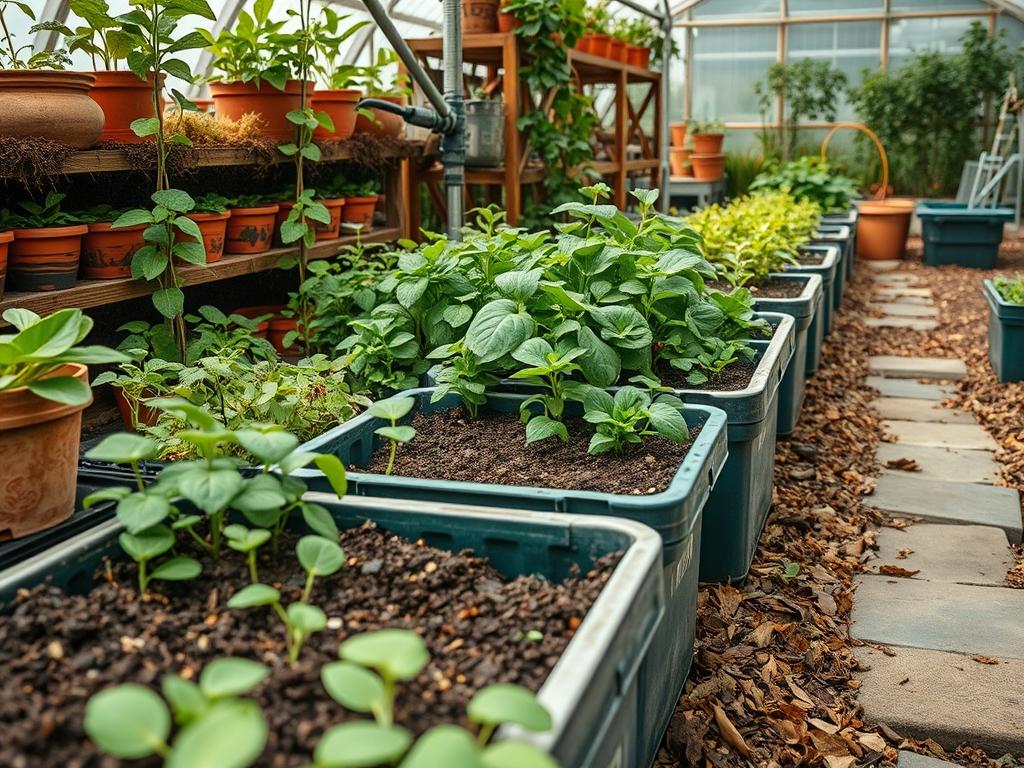
Integrating a sustainable waste management system into a sophisticated landscape design requires more than simply placing a plastic container in a hidden corner of the yard. For the modern landscape architect, the compost bin is a living component of the ecosystem, a functional engine that transforms organic debris into the nutrient-dense gold required for high-performing turf and vibrant ornamental beds. When a client reports Ants in Compost Bins, it signals a systemic failure in the moisture management of the outdoor environment. Ants are not typically attracted to the high-heat, high-moisture environment of a healthy, active compost pile. Their presence is a biological indicator that the internal environment has become excessively dry, turning a biological reactor into a hospitable nesting site. This localized aridity often mirrors larger issues within the broader landscape, such as inefficient irrigation zones or poor site elevation planning that diverts necessary hydration away from essential organic hubs.
Effective garden planning must prioritize the placement and maintenance of these units to ensure they do not negatively impact the curb appeal or the functional utility of the space. A dry, ant-infested bin produces localized dust, attracts foraging pests toward the residence, and ceases to offer the soil-building benefits that justify its presence in the design. Professional landscaping demands a holistic view where the compost thermometer and the moisture meter are treated with the same importance as the aesthetic lines of a retaining wall or the symmetry of a parterre garden. By understanding that ants are a symptom of a dry core, we can rectify the microclimate within the bin and, by extension, improve the moisture consistency of the surrounding planting beds.
Landscape Design Principles
Successful outdoor environments rely on the core principles of symmetry and focal points to guide the viewer eyes through the space. While a compost bin is rarely the primary focal point, its location must be carefully considered during the initial site analysis and planning phase. Placing the unit too far from a water source often leads to the neglect that causes the dry conditions favored by ants. A well-designed landscape incorporates hose bibbs or dedicated drip lines near the composting area to facilitate easy hydration. Symmetry in the utility area can be achieved by using architectural screening, such as lattice panels or evergreen hedges, to mask the bins while maintaining easy access for maintenance.
Elevation layers play a critical role in how moisture moves through the garden. If a compost system is placed at a high point with aggressive drainage, it will naturally struggle to retain the 50 percent moisture content required for aerobic decomposition. Conversely, placing it in a low-lying area without proper grading can lead to anaerobic conditions. The goal is visual balance and functional efficiency. By using hardscaping elements like flagstone paths or decomposed granite walkways, the architect ensures that the area remains accessible and tidy, preventing the utility zone from becoming an eyesore that detracts from the property overall value.
Plant and Material Selection
The materials surrounding your compost area and the plants used for screening specify the local humidity and insect pressure. Choosing the right species can create a buffer that keeps the compost moist and the ants at bay.
| Plant Type | Sun Exposure | Soil Needs | Water Demand | Growth Speed | Maintenance Level |
| :— | :— | :— | :— | :— | :— |
| Boxwood | Full Sun to Shade | Well-drained | Moderate | Slow | Medium |
| English Ivy | Shade | Versatile | Moderate | Fast | High |
| River Birch | Full Sun | Moist / Acidic | High | Fast | Low |
| Creeping Thyme | Full Sun | Sandy | Low | Moderate | Low |
| Japanese Yew | Partial Shade | Loamy | Moderate | Slow | Low |
| Switchgrass | Full Sun | Varied | Low | Fast | Low |
For the construction of the bin itself, materials such as pressure-treated lumber, western red cedar, or recycled high-density polyethylene are preferred. Cedar is particularly valued in high-end projects for its natural rot resistance and aesthetic appeal. When the interior of these structures becomes too dry, the wood can warp and create gaps, further accelerating the loss of moisture and providing more entry points for ant colonies.
Implementation Strategy
The implementation of a professional-grade composting area begins with site preparation. Start by clearing a level area of 10 feet by 4 feet to accommodate a three-bin system. Use a square-point shovel to remove existing sod and grade the soil to a 1 percent slope to ensure excess water does not pool at the base. Once the site is level, install a foundation of crushed stone or compacted gravel to provide stable footing and prevent the bin from sinking into the earth over time.
For the bins themselves, utilize stainless steel hardware and heavy-duty hinges to ensure longevity. Framing should be robust, often using 4×4 posts anchored in the ground. Once the structure is up, the layering of organic material must be intentional. Use a mixture of green materials for nitrogen and brown materials for carbon, maintaining a ratio of roughly three parts brown to one part green. To prevent the dryness that leads to Ants in Compost Bins, integrate a 1/4-inch poly tubing irrigation line with a manual shut-off valve directly into the bin. This allows the homeowner to saturate the pile during periods of extreme heat without dragging a heavy hose across the lawn. Finally, apply a 3-inch layer of hardwood mulch around the exterior of the bin to suppress weeds and retain ground moisture, creating a cool perimeter that discourages ants from nesting nearby.
Common Landscaping Failures
The most frequent failure in residential landscapes is a lack of integrated drainage planning. When water is moved away from the house via French drains or downspout extensions, it is often sent entirely off-site rather than being harvested for the garden or the compost system. This leads to dry pockets in the landscape where soil becomes hydrophobic. In these zones, ants flourish because the soil is easy to tunnel through and lacks the moisture that would otherwise collapse their galleries.
Another significant error is root overcrowding near the compost area. Large, thirsty trees like Silver Maples will send opportunistic roots upward into the base of a compost bin to steal its moisture and nitrogen. This “mining” of the compost by surrounding plants dries out the pile from the bottom up. To prevent this, professional installers often use a geotextile fabric or a thick plastic liner at the base of the bin to act as a root barrier. Furthermore, soil compaction in the surrounding walkways prevents water from penetrating the ground, leading to runoff and localized aridity. Regularly aerating the soil with a core aerator ensures that the entire environment remains hydrated and less hospitable to ant colonies.
Seasonal Maintenance
Landscape management is a year-round commitment that shifts with the solar cycle. In the spring, focus on reviving the biological activity of the soil. This is the time to turn the compost using a pitchfork or compost aerator tool, checking deep within the core for signs of dryness. If the material feels like a wrung-out sponge, the moisture level is correct. If it is brittle, add water immediately.
Summer requires the most vigilance. As temperatures rise, evaporation rates skyrocket. During July and August, the compost may need a deep soaking twice a week. This is also the peak season for ants, so maintaining a wet core is your primary defense. In autumn, the focus shifts to gathering materials. The influx of fallen leaves provides a massive amount of carbon. Shredding these leaves with a mulching mower before adding them to the bin ensures they break down quickly and do not form a dry, impenetrable mat that prevents water from reaching the center of the pile.
Winter maintenance is about insulation. In colder climates, the goal is to keep the heat generated by decomposition from escaping. Use straw bales or heavy burlap to wrap the exterior of the bin. While ants are less active in the winter, a dry bin can freeze solid more easily than a moist one, killing the beneficial microbes and delaying your spring garden prep.
Professional Landscaping FAQ
How do I quickly remove ants from my compost?
Increase the moisture level immediately by saturating the bin with water. Turn the pile frequently with a garden fork to disturb their nests. Once the environment is consistently damp and active, the ants will relocate to drier ground.
Is it safe to use compost that once had ants?
Yes, it is perfectly safe. Ants do not damage the chemical composition of the compost; they simply indicate the pile is too dry. Once the moisture is restored and decomposition resumes, the ants will disappear, leaving behind usable organic matter.
Where is the best place to locate a compost bin?
Select a level, well-drained spot with partial shade to prevent excessive evaporation. Ensure it is near a water source and accessible by a wheelbarrow. Avoid placing it directly against wooden fences or house siding to prevent moisture damage.
Will ants in my compost spread to my house?
While the ants in the bin are looking for dry shelter, they may forage toward your home if food sources are available. Maintaining a moist compost pile keeps them away from the bin, reducing the overall population near your living spaces.
What is the ideal moisture level for compost?
The material should feel like a damp sponge, approximately 50% to 60% moisture. If you squeeze a handful and no water comes out, it is too dry. If it drips excessively, it is too wet and needs more brown materials.