
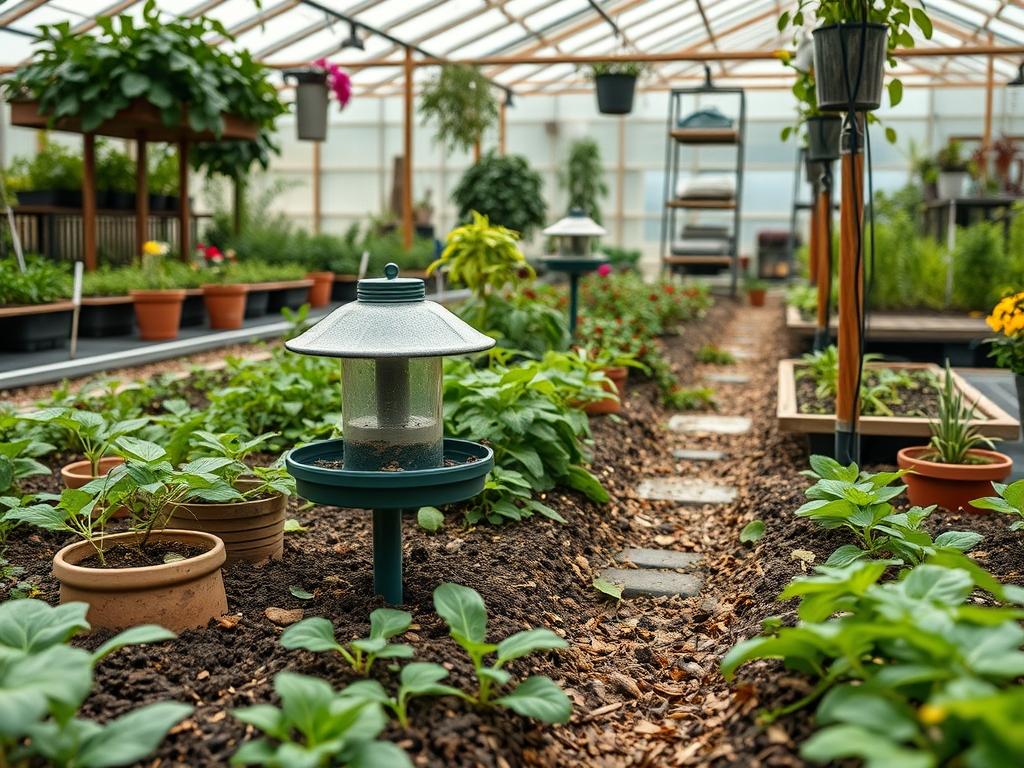
Integrating a high quality avian feeding station into a residential landscape requires more than simply hanging a plastic tube from a branch. As architects of outdoor environments, we view a bird feeder as a critical focal point that must harmonize with the overall site plan while remaining functional and sanitary. One of the most persistent challenges in maintaining these features is the infiltration of ants, particularly in nectar based systems used for hummingbirds and orioles. Finding the best ways to handle ants in bird feeders and poles involves a multi disciplinary approach that combines structural barriers, thoughtful plant selection, and precise site grading. When ants colonize a feeder, they not only contaminate the food source but also create a visual distraction that detracts from the groomed aesthetic of the property. Solving this issue requires understanding the interface between the ground plane and the vertical elements of your garden.
The presence of ants in bird feeders is often a symptom of the surrounding microclimate and landscape connectivity. A feeder placed too close to a dense canopy or a sprawling groundcover provides easy access for scouts looking for sucrose. From a design perspective, we must consider the curb appeal of the feeder itself. A pole covered in sticky traps or unsightly chemicals is a failure of landscape aesthetics. Instead, we look for solutions that integrate seamlessly into the outdoor living space. By managing the transition between the hardscape and the softscape, we can isolate the feeder from the terrestrial pathways these insects use. This ensures that the bird feeder remains an asset to the environment rather than a source of frustration for the homeowner or a hazard to the local wildlife.
Landscape Design Principles
Effective garden planning relies on the concepts of symmetry and visual balance. When we place a bird feeder pole into a landscape, we treat it as a vertical accent piece. Typically, these are placed at the end of a sightline or as a counterpoint to a large shrub. Visual balance is achieved by layering the elevation of the garden, starting with low lying groundcovers, moving to mid sized perennials, and finally reaching the height of the feeder. This layering provides birds with the necessary cover to feel secure while preventing vegetation from touching the pole. Any physical contact between a plant and the feeder creates a bridge, allowing ants to bypass ground level defenses.
Irrigation planning is another vital design principle. Ants are often attracted to moist environments or areas where soil moisture is inconsistent. By designing a precise irrigation layout that directs water away from the base of the feeder pole, you can keep the immediate soil profile dry and less inviting for ant colonies. Walkways should be designed to allow the homeowner easy access to the feeder for maintenance without compacting the soil in the planting beds. Compacted soil can lead to poor drainage and the formation of small crevices where ants can nest. A well designed path of Flagstone or Decomposed Granite provides a stable, dry perimeter around the feeder station.
Focal points are most effective when they are clean and well maintained. To handle ants in bird feeders, the design should emphasize isolation. This means keeping the feeder pole at least ten feet away from any overhanging branches or tall structures. This isolation is a key component of the “defensive landscape” strategy, where the physical layout of the garden acts as the first line of defense against pests. Using elevation changes, such as a raised masonry plinth or a structured retaining wall, can also lift the feeder area away from general garden traffic and insect highways.
Plant and Material Selection
The following table outlines plants and materials that can be used to structure the area around a bird feeder to minimize ant attraction and enhance the landscape quality.
| Plant or Material | Sun Exposure | Soil Needs | Water Demand | Growth Speed | Maintenance Level |
| :— | :— | :— | :— | :— | :— |
| Spearmint | Full to Partial Sun | Moist, Rich | Moderate | Fast | Moderate (Needs edging) |
| Chrysanthemum | Full Sun | Well-Drained | Moderate | Medium | Low |
| Lavender | Full Sun | Sandy, Gritty | Low | Medium | Low |
| Rosemary | Full Sun | Well-Drained | Low | Medium | Very Low |
| Crushed Granite | N/A | N/A | N/A | N/A | Low |
| Powder-Coated Steel | N/A | N/A | N/A | N/A | Low |
Selecting the right materials for the pole itself is crucial. A smooth, Powder-Coated Steel pole is much harder for ants to climb than a rough wooden post. Furthermore, incorporating plants with natural repellent properties, such as Lavender or Rosemary, can create a fragrant barrier that discourages ant activity without the use of harsh synthetics. These plants thrive in well drained soil and provide an excellent textural contrast to the structural elements of the garden.
Implementation Strategy
The first step in a professional backyard layout is the grading of the site. The ground around a bird feeder pole should slope slightly away from the base at a two percent grade. This prevents water from pooling, which protects the structural integrity of the pole and discourages nesting. Once the grade is established, an edging material like Steel Edging or Paver Restraints should be installed to create a clear border between the lawn and the feeder area. Within this border, a layer of Landscape Fabric topped with three inches of Crushed Granite or River Rock serves as a sterile foundation that offers no nutrients or shelter for ants.
Next, the installation of the Ant Moat is the single most effective physical barrier. This is a small reservoir that hangs above the feeder and is filled with water. Because ants cannot swim, this simple hydraulic barrier completely stops their progress toward the nectar. When using an Ant Moat, ensure it is cleaned weekly to remove debris and mosquitoes. For the pole itself, some architects recommend a light application of Food-Grade Silicone Spray on the mid section of the pole. This creates a surface that is too slippery for insects to navigate while being safe for any birds that might accidentally land on it.
Mulch depth is also a critical factor in the implementation strategy. While Organic Cedar Mulch is excellent for moisture retention around plants, it should be kept back at least twelve inches from the bird feeder pole. Deep mulch provides a cool, damp habitat that ants find irresistible. Instead, use the aforementioned stone materials in the immediate vicinity. Finally, consider the height of the feeder. It should be positioned roughly five to six feet off the ground. This height is optimal for avian visibility while keeping the feeder reachable for refilling and cleaning.
Common Landscaping Failures
One of the most frequent mistakes in garden planning is the “bridge effect.” This occurs when a homeowner spends significant time securing the pole but ignores a single Honeysuckle vine or Oak branch that touches the top of the feeder. Ants are opportunistic and will find the path of least resistance. Regular pruning is necessary to maintain the necessary air gap between the feeder and the surrounding flora.
Another failure is improper drainage near the feeder base. If the area becomes stagnant and muddy, it attracts several types of insects and can lead to fungal growth. Soil compaction from heavy foot traffic around the feeder can also cause runoff issues. Utilizing a “stepping stone” approach helps distribute weight and prevents the soil from becoming a hardened, impenetrable surface. Furthermore, many people use improper lubricants like petroleum jelly on poles. In high temperatures, these can melt and run down into the soil or, worse, get on a bird’s feathers, which can be fatal. Stick to specialized mechanical barriers like moats or high quality, dry lubricants designed for this purpose.
Seasonal Maintenance
Seasonal management is the hallmark of a professional landscape. During the spring, as ant colonies emerge, check the integrity of the Ant Moat and refresh the water frequently. This is also the time to apply a fresh layer of Decomposed Granite if the previous year’s material has settled. Spring pruning should focus on clearing any growth that has moved within the ten foot “no touch” zone around the feeder.
In the summer, the heat will cause water in moats to evaporate quickly. Daily checks may be necessary. Ensure that nectar is changed every two to three days to prevent fermentation, which produces a scent that attracts even more ants. During autumn, clear fallen leaves away from the base of the pole immediately. A thick layer of decomposing leaves acts as a bridge and a nesting site for various pests. Finally, in winter, metal poles should be checked for stability as the ground undergoes freeze thaw cycles. If you live in an area with heavy snow, ensure the feeder is high enough that the snowpack doesn’t reach the bottom of the feeder, creating a winter bridge for cold hardy ant species.
Professional Landscaping FAQ
What is the most effective chemical free way to stop ants?
The installation of an Ant Moat filled with plain water is the gold standard. It creates a physical barrier that ants cannot cross, effectively protecting nectar feeders without introducing any toxins into the garden ecosystem.
How far should my bird feeder be from trees?
A minimum distance of ten feet is recommended. This prevents ants from dropping onto the feeder from overhanging branches and also protects birds from predators like cats that might use the trees as a launching point.
Can I use grease on the bird feeder pole?
Avoid automotive grease or petroleum jelly, as they can damage bird feathers. If you must use a lubricant, select a Food-Grade Silicone or a specialized bird safe ant repellent gel designed specifically for outdoor avian equipment.
Will certain plants naturally repel ants from my feeder area?
Plants high in essential oils, such as Peppermint, Lavender, and Rosemary, can discourage ant scouting. While they won’t stop a determined colony, they make the surrounding environment less attractive to many crawling insects.
Why are ants still getting into my feeder despite a moat?
Check for “bridges” like a tall blade of grass, a leaning twig, or even a spider web. Also, ensure the moat is not leaking or filled with floating debris that ants can crawl across.