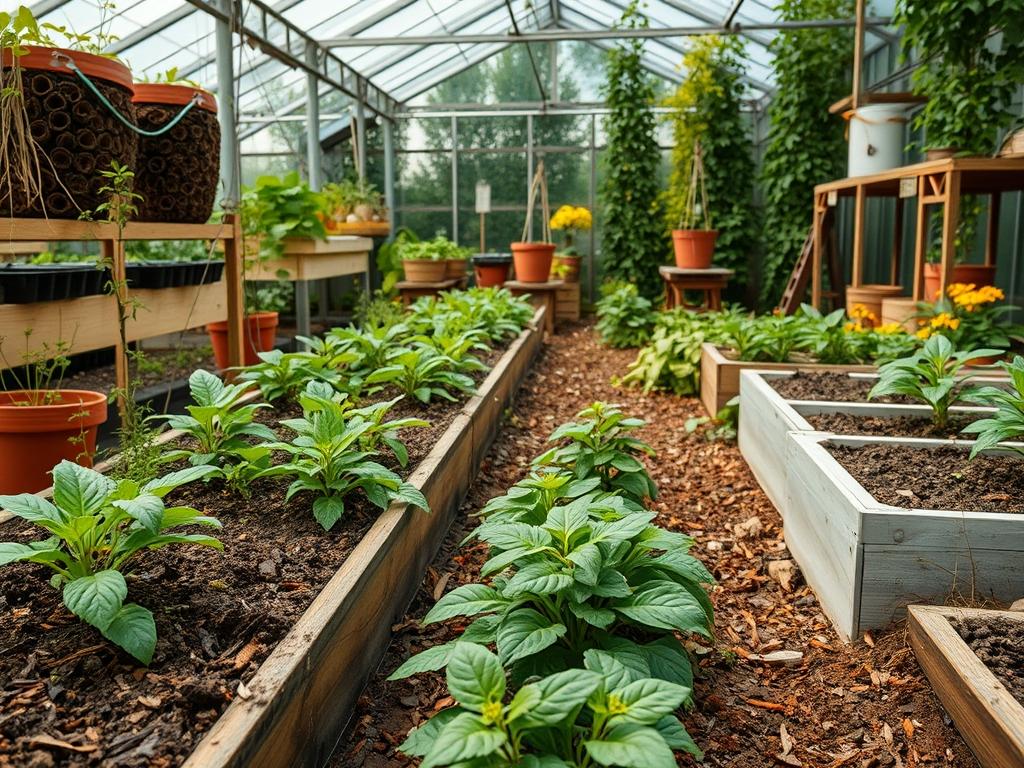
Integrating an apiary into a modern residential or commercial landscape requires a sophisticated understanding of both aesthetic design and biological management. While a pollinator garden enhances local biodiversity and improves the ecological footprint of a property, it introduces unique maintenance challenges that typical turf management does not address. One of the most significant threats to a thriving backyard ecosystem is the presence of ants in bee hives. From a landscape architect’s perspective, this is not merely a pest control issue but a fundamental failure of site planning and material selection. If the site is not graded correctly or if the vegetation is allowed to bridge the gap between the earth and the hive, a tactical invasion occurs. This can lead to the total collapse of the colony, which diminishes the functionality of the landscape as a productive, living environment. Ensuring the health of these bees is vital for the curb appeal of the surrounding flora, as successful pollination yields denser blooms and more robust foliage across the entire master plan.
The placement of a hive must be treated with the same precision as a fountain or a formal sculpture. We consider local wind patterns, solar orientation, and the proximity to water sources when drafting the site map. However, the most critical factor in preventing ants in bee hives is the creation of a sterile perimeter. By utilizing hardscaping techniques and specific drainage protocols, we can isolate the apiary from the surrounding soil where ant colonies reside. This involves a transition from organic turf to inorganic materials that do not provide harborage for opportunistic insects. When we design for outdoor living, we aim for a balance between natural beauty and structural integrity. A well-placed hive, framed by Steel Edging and sitting atop a Concrete Pad, serves as a functional focal point that reinforces the geometry of the garden while protecting its most industrious inhabitants.
Landscape Design Principles
Successful apiary integration relies on the principle of elevation. We never recommend placing a hive directly on the soil or on organic mulch, as these materials trap moisture and invite subterranean pests. Instead, we use elevation layers to create a vertical barrier. A hive should sit at least 18 inches off the ground on a dedicated stand. This height allows for better airflow and makes it significantly more difficult for scouts to locate the hive. From a visual perspective, these elevated platforms can be incorporated into a tiered stone wall or a raised terrace, providing a sense of purpose and architectural weight to the apiary.
Walkways and movement corridors are equally important. We design “bee highways” using low-profile groundcovers that do not grow high enough to touch the hive entrance. If vegetation makes contact with the hive body, it acts as a ladder for predators. Therefore, visual balance is achieved by surrounding the hive with a 3-foot radius of Crushed Granite or River Rock. This creates a clean, intentional look that signals to the observer that every element is managed. Symmetry in the surrounding plantings, such as flanking the hive with Lavender or Salvia, provides a formal aesthetic that disguises the practical necessity of the cleared space. This approach ensures that the functional apiary does not look like an afterthought but rather a central component of the property’s outdoor functionality.
Plant and Material Selection
The following table outlines the ideal components for a landscape that supports pollinators while minimizing the conditions that lead to ants in bee hives.
| Plant or Material Type | Sun Exposure | Soil Needs | Water Demand | Growth Speed | Maintenance Level |
| :— | :— | :— | :— | :— | :— |
| Lavender (Lavandula) | Full Sun | Well-drained | Low | Moderate | Low |
| Crushed Granite | N/A | N/A | None | N/A | Minimal |
| Russian Sage | Full Sun | Dry/Alkaline | Very Low | Fast | Low |
| Permeable Pavers | N/A | Level Base | N/A | N/A | Moderate |
| Rosemary | Full Sun | Sandy/Rocky | Low | Moderate | Low |
| Pea Gravel | N/A | N/A | None | N/A | Low |
Implementation Strategy
The process begins with professional grading. You must ensure the area designated for the apiary has a 2 percent slope away from the hives to prevent water from pooling at the base. Standing water attracts scouts and softens the wood of the hive, making it more penetrable. Once the grade is established, we excavate the top 4 inches of soil within a 5-foot by 5-foot square. This area is lined with a heavy-duty Geotextile Fabric to prevent weed growth. We then fill this area with Crushed Stone or Pea Gravel, which is compacted using a Plate Compactor to ensure a stable, level surface for the hive stands.
Next, we install the hive stands. For maximum protection, we recommend metal stands with thin legs. These legs can be placed inside “moats,” which are small containers filled with Vegetable Oil or water. This physical barrier stops ants from ascending the stand. If the landscape design calls for a more natural look, we use a Tanglefoot adhesive transition on the legs of the stand. The final step is the installation of the hives themselves. We use a Spirit Level to ensure the hives are perfectly plumb, as an unlevel hive can cause structural stress on the wax comb. Lastly, we edge the stone perimeter with Aluminum Edging or Belgium Block to create a crisp line between the apiary zone and the surrounding turf or garden beds.
Common Landscaping Failures
The most frequent mistake we see is improper spacing. Homeowners often want to nestle their hives deep within a garden bed for a “whimsical” look. Unfortunately, if a Spirea or Hydrangea branch touches the hive, it bypasses all of the ground-level defenses. This direct bridge is the primary cause of ants in bee hives. Another common failure is the use of wood-based mulches near the apiary. Cedar Mulch or Pine Bark creates a damp, shaded environment that is the ideal habitat for ant colonies. Over time, these materials decompose into rich soil that allows ants to tunnel directly beneath the hive.
Soil compaction is another overlooked issue. When the ground around the hive is not properly prepared with a stone base, the weight of a honey-heavy hive can cause the stand to sink into the mud during spring rains. This lowers the hive, reduces ventilation, and brings the entrance closer to the ground-dwelling pests. Irrigation inefficiencies also play a role. If a Rotary Sprinkler is aimed toward the apiary, the constant moisture will rot the bottom boards of the hives. This creates entry points for ants that would otherwise be unable to penetrate the colony’s defenses.
Seasonal Maintenance
In the spring, the landscape architect’s focus is on growth management. We prune any perennials that have expanded toward the hive during the winter dormancy. This is the peak time for ant activity, so we refresh the oil in the moats and check the 1/4-inch Hardware Cloth at the hive base for debris. We also inspect the Crushed Stone for any emerging weeds that might provide a path for scouts.
Summer maintenance involves managing the irrigation schedule. As temperatures rise, the water demand for surrounding plants increases, but we must ensure that the apiary footprint remains dry. We use a Square-point Shovel to clean up the edges of the stone perimeter and ensure that no grass clippings have accumulated against the hive stands. Autumn requires a thorough clearing of fallen leaves. A “leaf bridge” is just as dangerous as a living branch when it comes to ants in bee hives. We recommend using a Leaf Blower to keep the area under the hives completely clear of organic matter. During the winter, we focus on structural integrity. We check the hive stands for any shifting caused by frost heave and ensure that the Steel Edging remains secure, preventing soil migration into the clean stone zone.
Professional Landscaping FAQ
How does site drainage affect ant populations near my hives?
Poor drainage creates damp soil, which is the preferred nesting ground for many ant species. By using Perforated Drain Pipe and Crushed Stone, we keep the hive area dry and inhospitable to invasive colonies.
Can I use organic mulch around the apiary?
We advise against it. Organic mulch retains moisture and decomposes into soil, providing a perfect habitat for ants. Use River Rock or Pea Gravel within a 3-foot radius of the hive to maintain a sterile barrier.
What is the best way to level a hive on a slope?
Instead of shimming the hive itself, we build a level Retaining Wall or a tiered terrace using Four-by-Four Pressure Treated Timbers. This provides a permanent, stable foundation that prevents the hive from tipping.
Which plants are best for a bee-friendly landscape that resists ants?
Focus on woody herbs like Rosemary and Lavender. These plants have a clean base and do not produce the heavy nectar drip or aphid-attracting foliage that can invite ants to the immediate vicinity of the hives.
Are metal hive stands better than wooden ones?
Yes. Metal stands have a smaller surface area on the legs, making it easier to apply barriers like Tanglefoot or use oil moats. They also do not rot, which prevents ants from nesting inside the stand itself.