
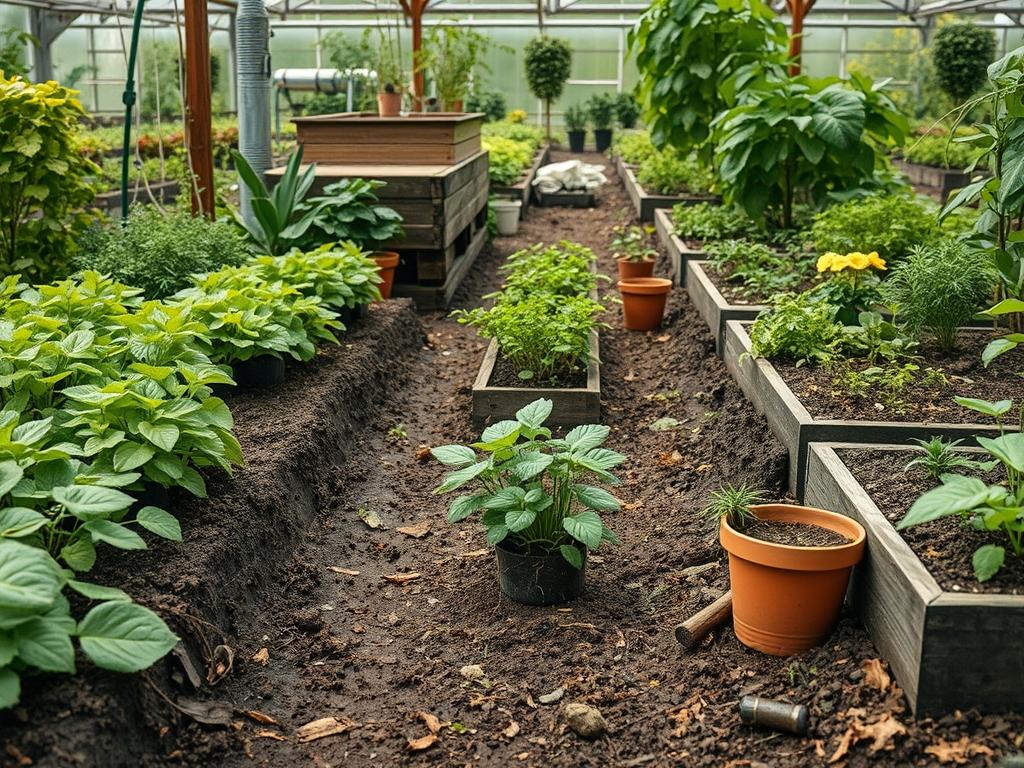
Landscape architecture is the delicate art of balancing aesthetic aspirations with the practical realities of the natural environment. One of the most persistent challenges for property owners in temperate or humid climates is managing moisture-rich microclimates. These damp spots, while often supporting lush ferns or vibrant mosses, frequently become breeding grounds for various invertebrates. Among these, the European earwig presents a unique nuisance, as they thrive in the dark, cool recesses of a high-moisture landscape. Effective Earwig Control Methods begin not with a spray bottle, but with a blueprint. By integrating strategic drainage, specific material choices, and thoughtful site orientation, a landscape architect can transform a waterlogged corner into a functional, pest-resistant asset. Curb appeal is often compromised when vegetation appears ragged or when pests migrate from the garden into the living spaces of the home. Therefore, the goal is to create a landscape that manages water efficiently, promotes airflow, and utilizes structural elements to discourage pest congregation without sacrificing the beauty of the outdoor living environment.
Landscape Design Principles
Successful garden planning relies on foundational principles such as symmetry, focal points, and elevation layers. When dealing with dampness, these principles serve a dual purpose. Symmetry in hardscaping, for example, allows for clear, unobstructed paths that encourage airflow and sunlight penetration. Focal points like raised stone planters or standalone sculptures can draw the eye away from necessary utilitarian features like catch basins or drainage grates. By utilizing elevation layers, a designer can create a tiered effect that moves water away from the home’s foundation. High-density planting without structural planning often leads to stagnant air pockets and trapped humidity, which are the primary drivers of earwig populations.
Visual balance is achieved when the weight of the softscape, the plants and trees, matches the permanence of the hardscape, the stone and wood. In a damp garden, this balance is crucial. If a garden is too densely packed with low-lying groundcover, it creates a thick canopy that keeps the soil perpetually moist. Professionals often recommend a “lifted” design approach, where shrubs are pruned to expose their lower stems, and groundcovers are spaced to allow the soil surface to dry between watering cycles. Walkways should be constructed with a slight cross-slope, usually around two percent, to ensure that rainwater does not pool in the center of the path. This proactive approach to moisture management is one of the most effective mechanical Earwig Control Methods, as it removes the habitat they require to survive during the heat of the day.
Plant and Material Selection
Selecting the right biological and mineral components is the next stage in professional landscape consulting. To mitigate pest issues in damp areas, one must choose plants that can handle “wet feet” while also selecting mulch and stone materials that do not facilitate pest nesting.
| Plant Type | Sun Exposure | Soil Needs | Water Demand | Growth Speed | Maintenance Level |
| :— | :— | :— | :— | :— | :— |
| Japanese Forest Grass | Partial Shade | Loamy, Moist | Moderate/High | Moderate | Low |
| Siberian Iris | Full Sun/Part Shade | Rich, Damp | High | Fast | Medium |
| Red-Twig Dogwood | Full Sun to Partial | Adaptable/Wet | High | Fast | Low |
| Creeping Jenny | Full Sun/Part Shade | Well-Drained/Moist | Moderate | Very Fast | High |
| Sweet Woodruff | Full Shade | Acidic/Moist | Moderate | Moderate | Medium |
| Blue Flag Iris | Full Sun | Heavy Clay/Wet | High | Moderate | Low |
For materials, the choice of mulch is paramount. While traditional organic wood chips are popular, they provide a perfect habitat for earwigs to hide and lay eggs. In chronically damp spots, consider using Polished River Rock or Crushed Granite over a high-quality Geotextile Fabric. If wood mulch is a stylistic requirement, Cedar Mulch is the preferred option due to its natural oils which serve as a mild deterrent to many insects.
Implementation Strategy
The implementation of a professional backyard layout begins with a sub-grade analysis. Before any plants are placed, the Grading of the land must be verified using a Transit Level or Laser Level to ensure a minimum slope of 1/4 inch per foot away from all structures. For particularly problematic damp spots, the installation of a French Drain is an industry-standard solution. This involves digging a trench, lining it with Filter Fabric, and laying a Perforated PVC Pipe surrounded by 3/4 inch Clean Stone. This system captures subsurface water and redirects it to a dry well or a municipal storm drain.
Once the drainage is secured, the garden beds should be edged with a rigid material such as Steel Edging or Concrete Pavers. This creates a physical barrier that helps define the space and prevents organic matter from spilling onto walkways. When applying mulch, maintain a depth of no more than 2 to 3 inches. Avoid the common mistake of “mulch volcanoes” around the base of trees, as this excess moisture around the bark can lead to rot and provide a direct highway for pests to enter the upper canopy. For hardscaping, ensure that Polymeric Sand is used between pavers. This material hardens when cured, preventing earwigs from burrowing into the joints of your patio or walkway.
Common Landscaping Failures
The most frequent failure in residential landscapes is improper irrigation planning. Many owners set their Irrigation Controllers to a daily cycle, regardless of the weather or soil moisture levels. Over-irrigation creates a swampy environment that attracts earwigs and promotes fungal diseases. Another common error is root overcrowding. When plants are spaced too closely, they compete for nutrients and restrict airflow. This lack of circulation prevents the soil from drying, creating a permanent sanctuary for moisture-loving pests.
Soil compaction is another silent failure. In areas with high clay content, foot traffic can compress the soil, eliminating the air pores necessary for drainage. This results in standing water, even if the surface appears sloped. Furthermore, the use of excessive Nitrogen Fertilizer can lead to lush, succulent growth that is highly attractive to earwigs, which feed on tender plant tissues. Finally, failing to maintain a clean “buffer zone” between the garden beds and the home’s siding is a major oversight. A 12-inch strip of Pea Gravel or River Rock around the perimeter of the foundation acts as a dry moat, making it difficult for earwigs to transition from the damp garden into the interior of the house.
Seasonal Maintenance
Maintenance is a year-round commitment that adapts to the changing climate. In the Spring, the focus is on clearing the debris that accumulated over winter. Remove dead leaves, fallen twigs, and spent perennial stalks where earwigs may have overwintered. This is also the time to inspect the Gutter Downspouts to ensure they are discharging at least 5 feet away from the foundation.
During the Summer, monitor the moisture levels of the soil closely. Adjust your watering schedule to early morning hours to allow the sun to evaporate excess surface water throughout the day. If you notice an uptick in pest activity, consider thinning the foliage of dense shrubs to increase light penetration. In the Autumn, the primary task is leaf management. A thick layer of fallen leaves acts as an insulating blanket for pests. Use a Power Blower or rake to remove leaves from the garden beds regularly. Finally, in Winter, focus on structural repairs. Inspect Retaining Walls for shifts that might trap water and plan your upgrades for the following season. Consistent attention to these details ensures that the Earwig Control Methods integrated into your design remain effective for years to come.
Professional Landscaping FAQ
How does elevation affect earwig populations in the garden?
Elevation, achieved through terracing or raised beds, improves soil drainage. By lifting the planting surface above the natural grade, gravity helps moisture move downward. This keeps the root zone and surface soil drier, which makes the area significantly less hospitable to earwigs.
What is the best mulch for a damp garden spot?
In damp areas, inorganic mulches like River Rock or Lava Rock are superior because they do not retain moisture or decompose. If organic mulch is required, Cedar Mulch is recommended for its natural insect-repelling properties and slower decomposition rate compared to pine.
Can irrigation timing help with Earwig Control Methods?
Yes, watering exclusively in the early morning is vital. This allows the plants and soil surface to dry during the day. Evening watering leaves the garden damp throughout the night, which is exactly when earwigs are most active and seeking moisture.
Why are French drains important for pest management?
French Drains remove the standing water and subsurface saturation that attract moisture-loving pests. By keeping the site dry, you remove the primary environmental factor that earwigs need to thrive, effectively providing long-term control without the need for constant chemical applications.
Should I use groundcover in a damp, shaded area?
Use groundcover sparingly in damp spots. While visually appealing, a thick carpet of plants like Pachysandra traps high levels of humidity against the soil. Instead, opt for individual specimen plants and use decorative stone to fill the gaps, promoting better airflow.