
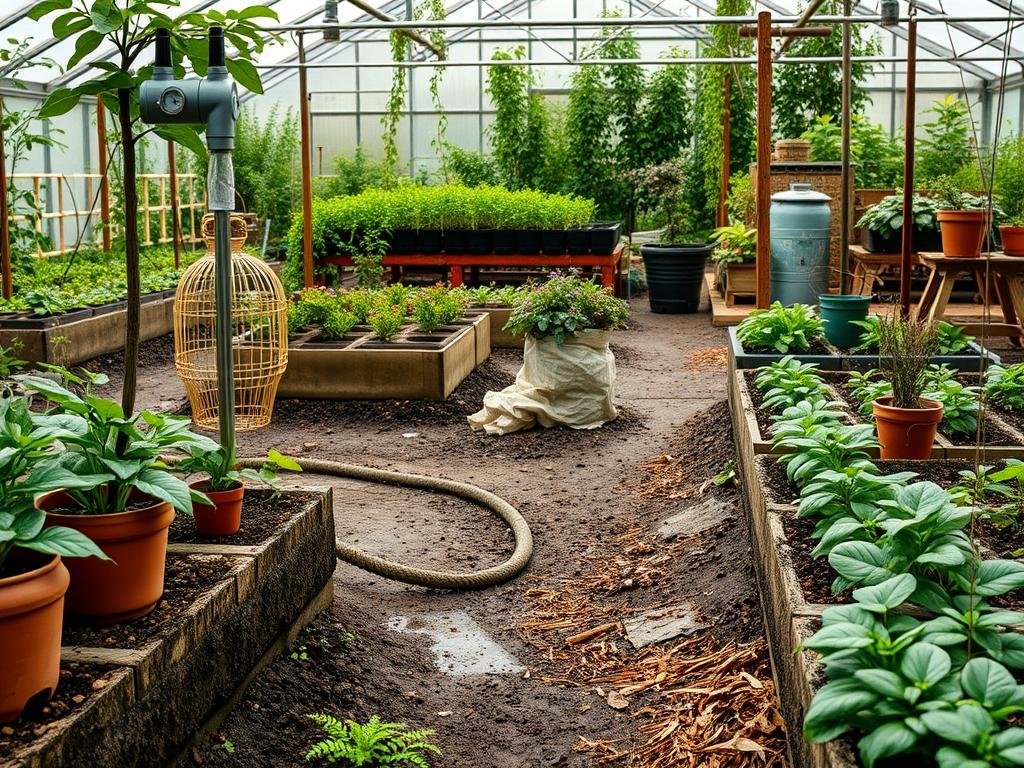
The aesthetic integrity of a master-planned landscape depends heavily on the health and vigor of its softscape elements. When we design for high-tier residential or commercial properties, the visual impact of flowering ornaments acts as the primary driver of curb appeal and psychological comfort. However, a silent architect of decay often threatens these installations. Thrips, microscopic insects that rasp away at succulent plant tissue, can transform a vibrant floral display into a scarred, silvered shadow of its former self within a single growing season. Integrating Thrips Prevention Basics into the initial landscape design is not merely a maintenance consideration; it is a fundamental requirement for protecting the architectural investment. A garden that ignores these risks will eventually face declining functionality as visual focal points fail and systemic stress weakens the entire botanical ecosystem.
Climate considerations play a decisive role in pest pressure. In regions characterized by hot, dry periods, thrip populations can explode, migrating from dried native grasses into the lush, irrigated environments of a professional garden. As landscape architects, we view the garden as a series of interconnected microclimates. By managing humidity, airflow, and light through strategic spatial planning, we can create an environment that is naturally hostile to these pests. The goal is to maximize the outdoor living experience while minimizing the necessity for aggressive chemical interventions, fostering a sustainable balance that keeps the flowers pristine and the foliage healthy.
Landscape Design Principles
Symmetry and visual balance are the hallmarks of a sophisticated landscape, yet they also serve as vital diagnostic tools. When a garden is balanced, any deviation in plant health becomes immediately apparent to the eye. For effective Thrips Prevention Basics, we utilize symmetry to monitor for early signs of infestation, such as distorted terminal buds or silvered leaf undersides. If one side of a symmetrical Boxwood hedge or Rose allee begins to flag, the designer or property manager can intervene before the pest spreads across the entire site.
Focal points should be selected and positioned with airflow in mind. In many traditional designs, dense clusters of tall flowering perennials are used to create “rooms” or secluded nooks. However, stagnant air creates high-humidity pockets that thrips find ideal for breeding. To counter this, we implement elevation layers. By using a tiered approach, placing lower groundcovers like Vinca Minor in front of intermediate shrubs and taller specimens like Delphinium in the rear, we allow wind to move through the canopy. This movement reduces the ambient leaf temperature and disrupts the landing patterns of winged insects.
Irrigation planning is perhaps the most critical design principle regarding pest management. Overhead sprayers are often inefficient and contribute to fungal issues, but for thrips, dry foliage is an invitation. We recommend high-efficiency drip irrigation systems buried under 3 inches of organic mulch. This delivery method ensures the Root Ball receives consistent moisture without creating the soggy surface conditions that some species of thrips require for pupation in the soil. Furthermore, well-hydrated plants are structurally more resilient against the piercing-sucking mouthparts of these pests.
Walkways and hardscaping are not just for transit; they act as physical barriers and heat sinks. A wide stone path or a Paver patio can separate susceptible floral beds from neighboring wild areas where thrips may originate. Using clean lines and defined edges helps in maintaining a tidy undergrowth, removing the debris where pests often overwinter.
Plant and Material Selection
Selecting the right species involves balancing aesthetic goals with mechanical resistance. Some cultivars are naturally more robust, while others are known “trap crops” that can be used to draw pests away from primary focal points.
| Plant Type | Sun Exposure | Soil Needs | Water Demand | Growth Speed | Maintenance Level |
| :— | :— | :— | :— | :— | :— |
| Hybrid Tea Rose | Full Sun | Loamy, Well-Drained | Moderate | Medium | High |
| French Marigold | Full Sun | Average, Neutral | Low | Fast | Low |
| Gladiolus | Full Sun | Sandy, Rich | Moderate | Fast | Moderate |
| Border Privet | Full to Partial | Versatile | Low | Fast | Medium |
| Herbaceous Peony | Full to Partial | Deep, Nutrient Rich | Moderate | Slow | Low |
| Gardenia | Partial Shade | Acidic, Moist | High | Medium | High |
Beyond plant material, the choice of hardscaping and finishing materials influences pest density. Reflective mulch, often made of silver-coated polyethylene or even light-colored river stones, is a professional secret for Thrips Prevention Basics. These materials reflect UV light upwards, confusing the insects as they attempt to navigate toward the host plant. Additionally, the use of Yellow Sticky Traps placed discreetly among the foliage serves as an essential monitoring tool for any consultant or gardener.
Implementation Strategy
The transition from a design blueprint to a thriving garden requires precise execution. The first step in any backyard layout is grading. We ensure a 2 percent slope away from building foundations and toward designated drainage zones. Proper grading prevents water from pooling, which protects the root health of your flowering species. Soil that stays overly saturated can lead to root rot; a condition that weakens the plant and makes it an easy target for opportunistic thrips.
Once the grade is set, we install edging to define the borders between turf and floral beds. Steel or heavy-duty plastic edging prevents invasive grasses from creeping into the garden, which is vital because many thrip species use common weeds as secondary hosts. During planting, ensure that each specimen is placed at the correct depth. The top of the Root Ball should be level with the soil surface. After the plants are in the ground, apply a consistent layer of mulch. We recommend Cedar Bark or a similar organic material to a depth of 3 inches. This mulch serves a dual purpose: it retains moisture and acts as a physical barrier that prevents larvae from easily entering or exiting the soil.
Drainage solutions, such as French drains or catch basins, should be integrated into the hardscape if the site has heavy clay soil. In areas where thrips are a recurring problem, we might include a “buffer zone” of non-flowering evergreens or hardscaping around the perimeter of the flowering garden. This creates a transition zone that is less attractive to pests. Finally, using high-quality Hand Pruners and Spades that are sanitized between uses prevents the mechanical transfer of larvae or viral pathogens that thrips frequently carry.
Common Landscaping Failures
One of the most frequent errors in professional landscaping is root overcrowding. In an attempt to create an “instant” mature look, designers often place plants too close together. As these plants grow, their canopies interlock, eliminating airflow and creating a protected highway for thrips to move from one plant to the next without ever being exposed to predators or the elements. Proper spacing according to the mature width of the species is essential.
Another common failure involves irrigation inefficiencies. Over-watering can be just as damaging as under-watering. When soil becomes compacted due to heavy foot traffic or poor drainage, it loses the oxygen necessary for root respiration. Stressed plants emit chemical signals that actually attract pests. Soil compaction can be mitigated by installing dedicated walkways and using Aerators to maintain soil porosity.
Lastly, many homeowners neglect the “sanitation” aspect of Thrips Prevention Basics. Falling spent blooms and dead leaves are often left to rot on top of the mulch. These organic bridges provide the perfect environment for thrip pupae to develop and re-infest the garden in the following cycle. A clean garden is a healthy garden; removal of spent blossoms, especially on sensitive species like Peonies and Gardenias, should be a weekly task.
Seasonal Maintenance
Landscape management is a year-round discipline. In the spring, the focus is on monitoring and prevention. As temperatures rise above 60 degrees Fahrenheit, thrips become active. This is the time to deploy sticky traps and inspect the new growth of your Roses and Lilies. A light application of Horticultural Oil can smother overwintering eggs before they hatch.
Summer is the season of active defense. During high-heat periods, increase the frequency of visual inspections. If damage is spotted, a strong stream of water from a Garden Hose can physically dislodge thrips from the undersides of leaves. This mechanical control is often more effective and less damaging to beneficial insects than broad-spectrum insecticides. Ensure that irrigation schedules are adjusted to account for higher evaporation rates.
In the autumn, the priority shifts to sanitation. Remove all dead annuals and prune back perennials once they have gone dormant. This is the best time to refresh the mulch layer, burying any remaining pests deep enough to prevent their emergence in the spring. Clear away any leaf litter from the base of shrubs and trees to eliminate overwintering sites.
Winter is the time for structural maintenance. While the plants are dormant, assess the garden’s layout. If certain areas were particularly hard-hit by thrips, consider thinning out the canopy or moving plants to improve airflow. Use this time to clean and sharpen all Saws and Loppers, ensuring that every cut made in the coming spring will be clean and quick-healing.
Professional Landscaping FAQ
How do I identify thrip damage on my flowers?
Look for silver or bronze streaks on leaves and distorted, browning petals. You may also see tiny black specks, which are fecal deposits. Shake a flower over a white piece of paper; if tiny, needle-like insects fall off, you have thrips.
What is the best mulch for pest prevention?
Reflective silver or aluminum mulches are highly effective at repelling thrips by confusing their visual sensors. For a more natural look, high-quality Cedar Mulch or fine Pine Bark creates a physical barrier that disrupts their soil-based life stages.
Can irrigation habits really stop thrips?
Yes. Consistent moisture through drip irrigation reduces plant stress, making them less attractive to pests. Conversely, occasional forceful overhead misting can physically knock thrips off the foliage, although this must be balanced against the risk of promoting fungal leaf diseases.
Are there native plants that are thrip-resistant?
Many native species have evolved natural defenses. Plants with thick, waxy cuticles or hairy leaves are generally more resistant. Species like Coneflower or certain native Grasses are excellent choices for a low-maintenance, pest-resistant landscape anchor in many North American regions.
When should I call a professional for thrip issues?
If more than 30 percent of your floral display shows signs of stunting or silvering despite basic sanitation, consult an arborist or landscape consultant. Early professional intervention can prevent the spread of thrip-borne viruses which can permanently decline high-value specimen plants.