
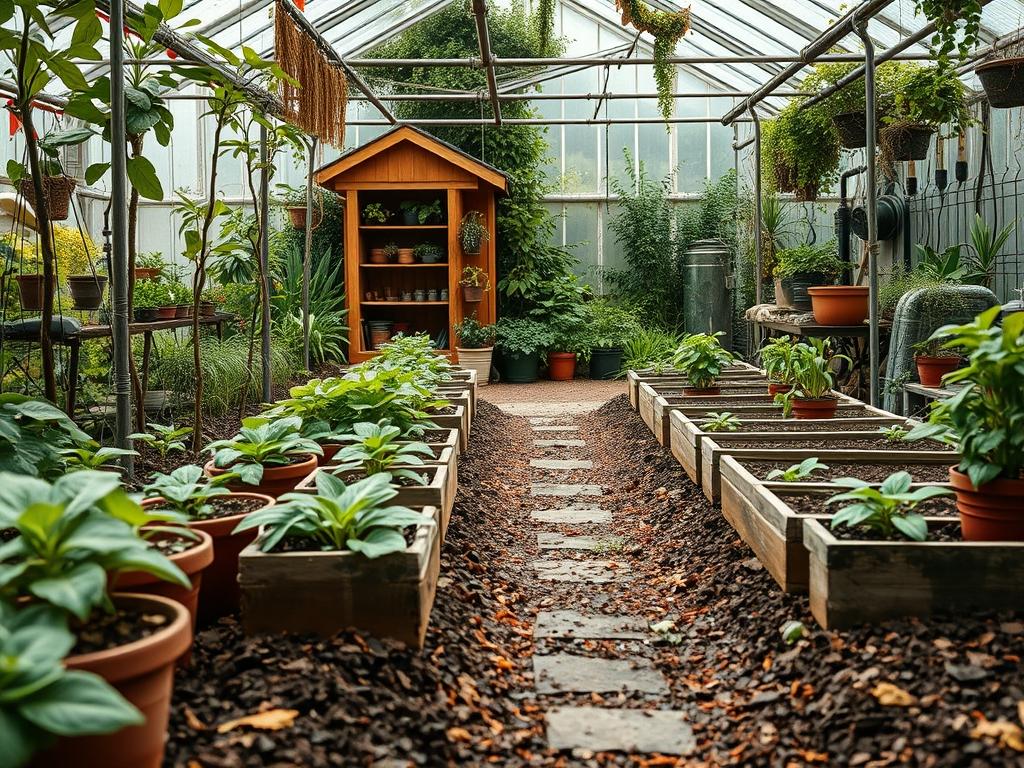
The integration of a garden shed into a high-end landscape design requires more than simple placement. It demands a strategic understanding of environmental factors that influence both aesthetics and structural integrity. A primary challenge for many property owners involves the unintended colonization of these structures by insects, specifically ants. When we design an outdoor environment, we look at the shed as a functional hub for tools and equipment, yet without proper planning, it can become a hotspot for pests that eventually migrate to the main residence. Finding ants in garden sheds often indicates a failure in moisture management, material selection, or site grading. A successful landscape architect balances curb appeal with practical defense mechanisms, ensuring that every structure remains dry, accessible, and free of infestations.
The climate of a region dictates how we approach these storage zones. In humid environments, the risk of wood rot increases, which in turn creates a buffet for carpenter ants. In drier climates, ants may enter sheds seeking the residual moisture often found in irrigation controllers or potting soil bags. To maintain peak outdoor functionality, the area around the tool storage must be more than just a patch of grass. It should be a planned transition zone that utilizes hardscaping and specific plant choices to create a barrier. By viewing the shed as an extension of the home’s architecture, we can apply rigorous design standards that elevate the entire garden while solving the logistical headache of pest control.
Landscape Design Principles
Effective landscape design relies on the core concepts of symmetry, focal points, and elevation layers. When positioning a garden shed, it should ideally occupy a spot that offers visual balance to the rest of the yard. This might involve flanking the structure with symmetrical plantings or using it as a terminal focal point at the end of a primary walkway. However, the most critical principle for preventing ants in garden sheds is the manipulation of elevation. A shed should never be the lowest point in a yard. We utilize professional grading techniques to ensure the subgrade slopes away from the foundation at a minimum of two percent. This prevents water from pooling against the base, keeping the timber or metal components dry and unattractive to nesting colonies.
Irrigation planning is another vital design pillar. We avoid placing high-demand spray heads near the shed walls. Instead, we use drip irrigation systems for nearby ornamental plants to keep moisture localized and away from the building’s envelope. Walkways also play a role in this defensive design. By surrounding the shed with a wide path made of permeable pavers or decomposed granite, we create a dry moat. This hardscaping serves a dual purpose. It provides clean access for heavy equipment and creates a thermal barrier that many ant species find inhospitable during the heat of the day.
Plant and Material Selection
The following table outlines plants and materials that contribute to a resilient shed environment. These selections are chosen for their ability to deter insects or their low-impact growth habits that do not compromise structural foundations.
| Plant Type | Sun Exposure | Soil Needs | Water Demand | Growth Speed | Maintenance Level |
| :— | :— | :— | :— | :— | :— |
| Lavandula (Lavender) | Full Sun | Well-drained, Sandy | Low | Medium | Low |
| Rosmarinus (Rosemary) | Full Sun | Dry, Rock-heavy | Very Low | Fast | Low |
| Mentha (Peppermint) | Partial Shade | Rich, Moist | Medium | Aggressive | Medium (Needs pots) |
| Chrysanthemum | Full Sun | Fertile, Loamy | Medium | Medium | Medium |
| Nepeta (Catmint) | Full Sun | Average, Gritty | Low | Fast | Low |
| Crushed Limestone | N/A | Subgrade Prep | None | N/A | Very Low |
When selecting hardscaping materials, we prioritize crushed limestone or river rock for the immediate perimeter. Unlike organic wood mulch, these inorganic materials do not decompose, meaning they do not provide the damp, fibrous environment that ants crave for nesting. For the structure itself, using pressure treated lumber for any wood-to-earth contact is a non-negotiable standard in professional landscaping.
Implementation Strategy
Planning a backyard layout begins with a detailed topographical survey. Once the site is identified, the first step is the excavation of the footprint to a depth of six inches. This area is then filled with a compacted gravel base, which serves as the primary drainage layer. We recommend installing a geotextile weed barrier beneath the gravel to prevent soil mixing and weed growth. Weeds can act as “ant bridges,” allowing insects to climb into the shed via tall stalks.
Next, we establish the edging. Using steel header boards or heavy-duty plastic edging, we define the boundary between the lawn and the shed’s gravel pad. This keeps the grass, and its associated moisture, at a distance of at least twelve inches from the shed walls. During the assembly of the shed, all joints and gaps should be treated with an exterior-grade silicone sealant. Special attention must be paid to the door threshold and the roofline.
For the surrounding landscape, we suggest a layered approach. A row of Lavender or Rosemary provides a fragrant, natural deterrent. These plants contain essential oils that interfere with the pheromone trails used by ants for navigation. Finally, the grading must be checked one last time using a laser level. Any depressions that could collect runoff during a storm must be filled with compacted fill dirt and topped with decorative stone to ensure permanent drainage efficiency.
Common Landscaping Failures
The most frequent mistake seen in residential landscapes is the “mulch volcano” or the over-application of organic materials against a shed’s foundation. While mulch is excellent for moisture retention in flower beds, it is disastrous when applied against a wooden structure. It creates a dark, moist sandwich between the soil and the wall, which is the ideal habitat for ants. Another common failure is root overcrowding. Planting large shrubs or trees too close to the shed can result in roots lifting the foundation or branches creating a direct highway for ants to reach the roof.
Improper spacing and lack of airflow are equally problematic. When a shed is tucked into a tight corner against a tall fence, it loses the ability to dry out after a rainstorm. This lack of ventilation encourages fungal growth, which softens the wood and invites carpenter ants. Furthermore, irrigation inefficiencies, such as a broken sprinkler head that constantly soaks the side of the building, will undermine even the best pest-proofing efforts. Finally, soil compaction in the surrounding lawn can lead to surface runoff that flows toward the shed rather than percolating into the ground.
Seasonal Maintenance
Landscape management is a year-round commitment. In the spring, the focus should be on cleaning. Clear away any leaf litter or debris that has accumulated against the shed over the winter. This is also the time to apply a fresh layer of boric acid powder or ant bait stations if any activity is spotted. During the summer, monitor the irrigation system to ensure no leaks are developing. Check that your deterrent plants, such as Peppermint or Catmint, are not becoming too overgrown and touching the shed walls.
As autumn arrives, the priority shifts to sealing. Inspect the structure for new cracks caused by thermal expansion or ground shifting. Use a caulk gun to refresh any weathered seals. Clear the gutters if the shed has them, as clogged downspouts can lead to water spilling directly onto the foundation. In the winter, check for structural sagging or signs of wood rot. Since ants are less active in the cold, this is the perfect time to perform heavy maintenance, such as repainting with a high-quality outdoor acrylic or replacing any compromised boards without disturbing an active colony.
Professional Landscaping FAQ
How does mulch type affect ants in garden sheds?
Organic mulches like cedar or pine bark retain moisture and decompose, creating ideal nesting sites. Using inorganic materials like crushed stone or pea gravel around the shed perimeter eliminates this habitat and provides better drainage.
What is the best way to stop ants from climbing shed walls?
Maintain a clear “no-plant zone” of twelve inches around the structure. Trim all overhanging branches. Applying a barrier of diatomaceous earth around the base is an effective, non-toxic way to disrupt ant movement.
Can certain plants actually attract ants to my tool storage?
Yes. Plants that host aphids, such as certain varieties of roses or hibiscus, produce honeydew. Ants farm these insects for food. Avoid planting aphid-prone species directly next to your storage shed.
Should I use a concrete slab or a gravel pad?
A reinforced concrete slab is the most durable option and offers the best protection against ground-entry pests. However, a well-constructed, compacted gravel pad provides superior drainage and is often more cost-effective for smaller structures.
What role does lighting play in ant management?
While ants are not specifically attracted to light, the heat from low-voltage landscape lighting can encourage nesting in nearby soil. Position LED fixtures away from the shed walls to minimize thermal attraction and maintain a cooler perimeter.