
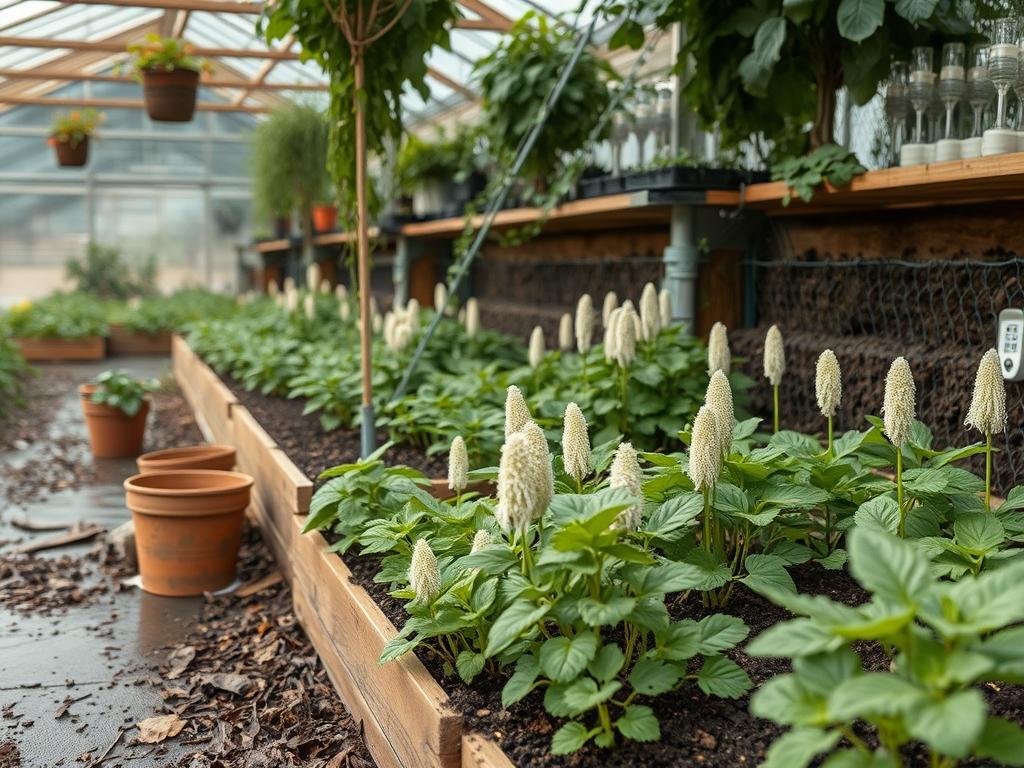
Integrating ornamental grains and cereal crops into a residential or commercial landscape offers a sophisticated, agrarian aesthetic that provides texture, movement, and seasonal interest. As a landscape architect, I have observed a significant rise in the popularity of meadow-scaping and the use of “edimentals,” plants that are both edible and ornamental. However, this design trend introduces a specific biological challenge known as ergot fungus safety. This fungus, caused by the Claviceps purpurea pathogen, primarily affects the flowering heads of cereal grains and various wild grasses. For many homeowners, the goal of achieving high curb appeal and functional outdoor living space must be balanced with the mitigation of health risks. If the landscape is located in a temperate climate with cool, damp springs, the risk of ergot development increases. Strategic site planning, focusing on airflow and moisture management, ensures that these grain-heavy designs remain beautiful and safe for children, pets, and local wildlife who might accidentally ingest the toxic sclerotia.
Landscape Design Principles
Effective landscape design for grain-heavy environments relies on the careful application of symmetry and elevation layers. When planning a garden that includes Secale cereale or Triticum aestivum, the designer should use a tiered approach. Focal points should be established using non-host species or hardscaping elements to create visual breaks. By placing grain beds in the background or as elevated “islands” within a sea of low-growing groundcovers, you can restrict access to these plants during their most vulnerable flowering stages. Symmetry in the layout not only provides a formal, professional look but also allows for more predictable air patterns. Wind movement is a natural deterrent to fungal spore settlement; therefore, avoiding dense, walled-in pockets is essential for ergot fungus safety.
Elevation is another critical tool in the architect’s kit. Utilizing Retaining Walls built from Natural Limestone or Pre-cast Concrete Blocks creates a physical barrier between the grain-producing plants and the primary circulation paths. This elevation serves a dual purpose. It creates a stunning visual hierarchy and improves drainage, which is the primary factor in preventing the damp soil conditions the fungus favors. Walkways should be designed using non-porous materials or Crushed Granite to ensure that any fallen fungal bodies, known as ergot pits, are easily visible and can be swept away rather than becoming lost in organic mulch. Visual balance is achieved by pairing the upright, vertical lines of cereal stalks with the soft, rounded forms of Buxus microphylla or other evergreen shrubs that do not host the fungus.
Plant and Material Selection
Selecting the right materials involves understanding the symbiotic relationship between plant species and their environment. The following table outlines specific plants often used in grain-inspired landscapes and their environmental requirements.
| Plant Type | Sun Exposure | Soil Needs | Water Demand | Growth Speed | Maintenance Level |
| :— | :— | :— | :— | :— | :— |
| Cereal Rye | Full Sun | Well-drained | Low | Fast | Moderate |
| Switchgrass | Full Sun | Sandy/Clay | Low | Medium | Low |
| Creeping Thyme | Full Sun | Sandy/Poor | Low | Slow | Low |
| Perennial Ryegrass | Sun/Part Shade | Loam | Moderate | Fast | Medium |
| Feather Reed Grass | Full Sun | Moist/Clay | High | Fast | Low |
For the hardscaping components, a Landscape Architect will often specify Geotextile Fabric beneath River Rock or Pea Gravel to prevent the emergence of wild grass hosts like Bromus inermis. These wild grasses act as a bridge for ergot, allowing it to jump from the perimeter of the property into your curated grain beds.
Implementation Strategy
The implementation of a safe grain garden begins with precise site grading. The land should be graded at a 2 percent minimum slope away from the grain beds to prevent water from pooling around the roots. Once the grading is established, the use of Edging Tools to create a distinct border between lawn areas and grain zones is vital. This prevents the intermingling of lawn grasses, which are also susceptible to ergot, with your ornamental stalks.
Start by marking the layout with Surveyor’s Tape or Marking Paint. Excavate the area to a depth of 6 inches and backfill with a custom soil mix containing 40 percent Coarse Sand to maximize porosity. When planting, space the grains at least 6 to 8 inches apart. This spacing is wider than traditional agricultural density but is necessary in a landscape setting to ensure sunlight can penetrate to the base of every plant, drying out the morning dew quickly.
Install a Drip Irrigation System directly beneath a layer of Hardwood Mulch at a depth of 3 inches. Avoid overhead sprinklers at all costs, as wetting the flowering heads of the grain is the fastest way to invite a fungal infection. Finally, incorporate a French Drain or a Dry Well at the lowest point of the garden to manage heavy rainfall events, ensuring the grain garden remains as dry as possible during the humid months of late spring and early summer.
Common Landscaping Failures
The most frequent failure in grain-focused landscapes is improper drainage planning. When water stagnates, it creates a microclimate of high humidity that is the perfect incubator for ergot. Many amateur designers also fall into the trap of root overcrowding. When plants are packed together to create an immediate “full” look, they restrict airflow, which allows fungal spores to travel easily from head to head.
Soil compaction is another silent killer of landscape health. When soil is compacted by heavy foot traffic or machinery, it loses its ability to breathe and drain, leading to stressed plants that are more susceptible to disease. Furthermore, the misuse of high-nitrogen Fertilizers can lead to excessive, soft vegetative growth. This lush growth is far more attractive to pathogens than the sturdy, slower-grown stalks produced by a balanced 10-10-10 Fertilizer application. Finally, neglecting the perimeter is a major error. If wild grasses are allowed to grow unchecked against the fence line, they will serve as a constant source of reinfection for the entire garden.
Seasonal Maintenance
Spring maintenance is the most labor-intensive phase of ergot fungus safety. As the ground thaws, use a Rototiller to turn over the top 4 inches of soil in any fallow grain beds. This buries any overwintering sclerotia, preventing them from germinating. Inspect all Irrigation Emitters to ensure they are functioning correctly and not leaking, as a small leak can create a localized fungal hotspot.
During the summer, the focus shifts to inspection and pruning. As grains reach the heading stage, look for “honeydew,” a sticky, yellowish substance secreted by the fungus. Use Pruning Shears sterilized with Isopropyl Alcohol to remove infected heads immediately. Place the debris in a sealed bag and dispose of it in the trash; never compost infected material.
Autumn is the time for a complete “clean-culture” harvest. Cut all grain stalks down to the ground level using a String Trimmer or Scythe. Remove all plant residue from the property. This is also the ideal time to replenish Mulch and check the structural integrity of Retaining Walls before the winter freeze. In winter, maintenance is primarily observational. Monitor snow drift patterns to ensure that heavy drifts do not collapse the landscape structures or cause unexpected drainage issues when they melt in the spring.
Professional Landscaping FAQ
How can I identify ergot in my garden?
Look for dark, hard, horn-like structures protruding from the grain heads in late summer. These black or purple masses replace the actual seeds and are significantly larger than a healthy grain kernel.
Are all ornamental grasses at risk for ergot?
While many are susceptible, species like Calamagrostis x acutiflora are less prone than true cereal grains. However, any grass that produces a large flowering head should be monitored during wet, cool weather conditions.
Should I use fungicides as a preventative measure?
Fungicides are generally less effective than cultural controls like drainage and spacing. In a residential setting, it is better to focus on architectural interventions and manual removal of infected plants rather than relying on chemical sprays.
Can I still use the grain for baking?
If you suspect any ergot presence, the grain must not be consumed. The fungus produces alkaloids that are toxic to humans. Always consult a professional mycologist or agricultural extension if you intend to harvest for food.
What is the best groundcover to prevent ergot spread?
Non-grass groundcovers like Vinca Minor or Sedum are excellent. They do not host the fungus and provide a dense mat that prevents rogue grass seeds from germinating near your ornamental grain displays.