
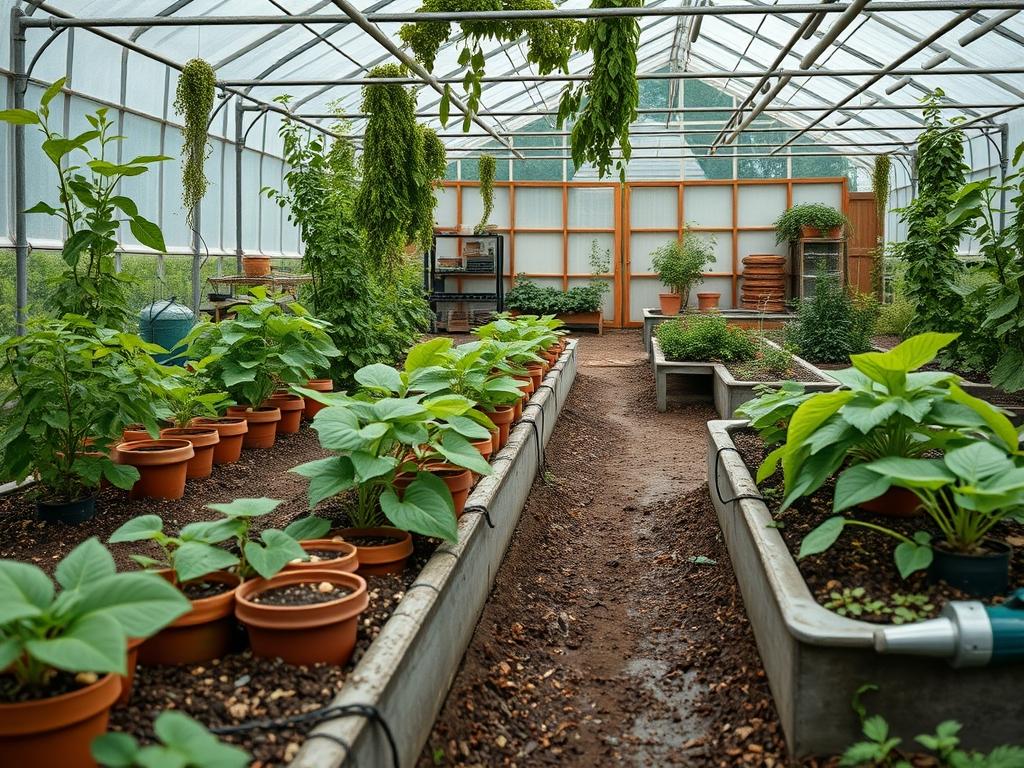
Maintaining a high-end landscape requires a sophisticated understanding of how biological threats intersect with aesthetic goals. For property owners in regions where agriculture meets residential design, the emergence of the Kudzu bug presents a multi-faceted challenge that threatens both curb appeal and the health of surrounding vegetation. These insects, which primarily target Kudzu and Soybeans, can migrate into ornamental gardens, swarming light colored surfaces and emitting a pungent odor when disturbed. As large scale estates often border agricultural land, integrating Kudzu Bug Management into a professional landscape plan is no longer optional. It is a necessity for preserving outdoor functionality and protecting the investment in your green spaces. Effective management begins with a site analysis that considers the proximity of host crops, the prevailing wind patterns, and the selection of flora that does not provide secondary harborages for invasive species.
Landscape Design Principles
Successful landscape architecture relies on the delicate balance of form and function. When designing a space with Kudzu Bug Management in mind, symmetry and focal points must be established using plants that do not attract these pests. Traditional designs often utilized Wisteria, but because this is a primary host for the bug, modern architects now favor non-leguminous alternatives to maintain visual balance without inviting infestation. Focal points should be constructed from inert materials or resilient species like Boxwood or Japanese Maples, which provide year-round structure and do not serve as a food source for the bugs.
Elevation layers are equally critical in a professional layout. By using Retaining Walls and terraced garden beds, a designer can control the micro-climate of the garden. Elevated beds improve airflow, which is a natural deterrent for many types of swarming insects. Furthermore, incorporating wide Walkways made of Pavers or Flagstone creates a physical buffer between the dense foliage where pests might hide and the high-traffic outdoor living areas. This structural separation ensures that even if insects are present on the perimeter, the primary functionality of the patio or deck remains uncompromised. Visual balance is achieved by staggering heights, ensuring that the heavy density of the lower shrub layer is offset by the airy canopy of deciduous trees.
Plant and Material Selection
Selecting the right materials involves more than just color coordination; it requires a deep dive into the horticultural requirements and the potential for pest attraction. The following table outlines high-performance selections for a resilient landscape.
| Plant Type | Sun Exposure | Soil Needs | Water Demand | Growth Speed | Maintenance Level |
| :— | :— | :— | :— | :— | :— |
| Switchgrass | Full Sun | Well-Drained | Low | Fast | Low |
| Crepe Myrtle | Full Sun | Loamy/Neutral | Medium | Moderate | Moderate |
| Dwarf Yaupon Holly | Full/Partial | Versatile | Low | Slow | Low |
| American Beautyberry | Part Shade | Rich/Moist | Medium | Moderate | Low |
| Fescue Grass | Partial Shade | Nitrogen-Rich | High | Fast | High |
| River Birch | Full Sun | Wet/Acidic | High | Fast | Moderate |
For inert materials, use Triple-Shredded Hardwood Mulch at a depth of 3 inches to suppress weeds and maintain soil moisture. Avoid light colored gravel near the home foundation, as Kudzu bugs are historically attracted to white or light surfaces for sunning and overwintering. Instead, utilize darker River Rock or Basalt for drainage zones and decorative borders.
Implementation Strategy
The transition from a design blueprint to a finished backyard requires a systematic approach to site preparation. The first step in any professional installation is grading. The land must be sloped at a minimum of 2 percent away from the home foundation to ensure that excess water does not pool, as stagnant moisture can weaken plant root systems and make them more susceptible to pest damage. Once grading is complete, install a comprehensive Irrigation System with zone-specific controls to prevent over-watering, which is a common trigger for fungal issues and insect attraction.
The next phase involves the installation of hardscape elements. Retaining Walls should be built with a solid Crushed Stone base to prevent settling. Following the hardscaping, define the garden beds with a crisp Steel Edging or a deep spade-cut edge to prevent turf encroachment. When planting, ensure that each specimen is placed at the correct depth; the root flare should be slightly visible above the soil line to prevent bark rot. Use a high-quality Slow-Release Fertilizer during the initial planting to encourage deep root establishment. If the property borders a field of Soybeans, consider planting a “trap crop” or a thick barrier of non-host evergreens along the property line to act as a physical filter during the bug migration seasons.
Common Landscaping Failures
The most frequent error in professional landscaping is improper drainage. When water sits in the root zone, it leads to soil compaction and anaerobic conditions. This stress weakens the vascular system of the plant, making it a prime target for opportunistic pests. Another common failure is root overcrowding. Designers often plant for immediate “fullness” without accounting for the mature spread of the species. When plants are spaced too closely, airflow is restricted, creating a humid environment where Kudzu bugs and other pests can thrive undetected.
Irrigation inefficiencies also rank high among maintenance failures. Many homeowners use overhead sprayers that drench the foliage rather than the roots. Wet leaves are magnets for pathogens and provide a drinking source for swarming insects. Transitioning to Drip Irrigation is the industry standard for reducing water waste and keeping the leaf canopy dry. Finally, failing to monitor soil chemistry can lead to nutrient deficiencies. A soil that is too alkaline or too acidic prevents the plant from absorbing essential minerals, resulting in yellowing leaves that are less resilient to the feeding habits of the Kudzu bug.
Seasonal Maintenance
Landscape management is a year-round commitment that changes with the life cycle of the environment. In the Spring, the focus is on prevention. Apply a fresh layer of Mulch and perform a detailed pruning of any dead or crossing branches. This is the time to scout for the first emergence of Kudzu bugs as they leave their overwintering sites. Check the undersides of leaves on any leguminous plants in the vicinity.
Summer maintenance revolves around hydration and monitoring. Ensure the Irrigation system is functioning at peak efficiency during heat waves. This is also the peak season for Soybean growth, meaning Kudzu bug populations will be at their highest. Use a high-pressure water spray to physically knock insects off ornamental plants if they begin to aggregate.
In the Autumn, the goal is sanitation. Remove all fallen leaves and debris, as these provide the perfect insulation for bugs looking to overwinter near your home. Clean your Hardscape surfaces with a mild detergent to remove any pheromones left behind by swarming insects. Finally, Winter is the season for structural planning and dormant pruning. Evaluate the performance of your plants and decide if any host species need to be removed or relocated before the cycle begins again.
Professional Landscaping FAQ
What is the primary indicator of a Kudzu bug infestation?
You will notice small, olive-green, beetle-like insects clustering on the stems of plants. They often frequent Wisteria or Soybeans. A distinct, unpleasant odor is also a common sign when the bugs are disturbed or crushed during maintenance.
How does mulch depth affect pest management?
Maintaining a 3-inch layer of Hardwood Mulch regulates soil temperature and moisture, which keeps plants healthy and more resistant to pests. However, excessive mulch piled against the trunk can create a hidden entry point for insects and rot.
Can I use native plants to deter Kudzu bugs?
Yes, incorporating Native Plants like American Beautyberry or Switchgrass is highly effective. These species are adapted to the local climate and do not serve as primary hosts, reducing the overall insect pressure on your managed landscape.
Why is drainage important for insect control?
Poor drainage causes plant stress and stagnant water. Weakened plants emit chemical signals that attract pests, while high humidity levels in the garden canopy provide an ideal breeding ground. Proper Grading and French Drains mitigate these risks.
Do white houses attract more Kudzu bugs?
Research suggests these insects are attracted to light colored, reflective surfaces, especially in the autumn. If your home has white siding, keeping your perimeter landscaping clean and using darker Hardscaping materials can help divert their attention elsewhere.