
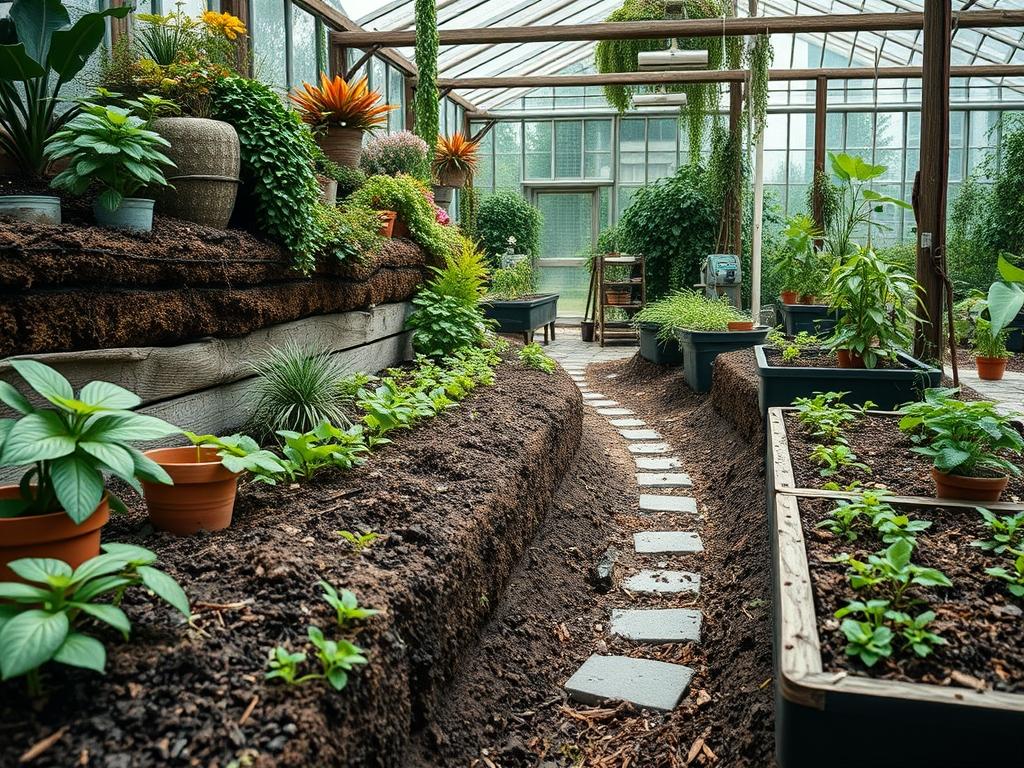
The presence of ants in garden walls is frequently a symptom of a larger environmental imbalance within the landscape. As a landscape architect, I view these structures not merely as aesthetic boundaries, but as complex ecosystems that negotiate the tension between soil pressure and drainage needs. When we encounter ants in garden walls, we are often seeing a response to the microclimates created by our design choices. These insects seek out the stable, dry, and thermally regulated cavities found within dry-stack stone or hollow-core masonry blocks. From a professional standpoint, managing this issue is essential for maintaining both structural integrity and curb appeal. A colony that excavates the fine particulate from behind a retaining wall can eventually lead to soil subsidence, tilting stones, or even the total failure of the wall during a heavy rain event. Integrating pest management into the initial design phase ensures that the outdoor space remains functional and visually striking without the constant need for invasive chemical interventions.
Effective garden planning requires a holistic approach to site conditions. We must consider how the sun hits the stones and how water moves across the property. When ants establish themselves in cavities, they typically do so because the wall provides a perfect refuge from the fluctuating moisture levels of the surrounding soil. By addressing drainage, material selection, and plant placement, we can create a landscape that is less hospitable to large-scale ant colonies while enhancing the overall value of the home. This involves a strategic marriage of hardscaping and softscaping, where every trowel of soil and every 1-inch of gravel serves a dual purpose of beauty and utility.
Landscape Design Principles
Successful landscaping relies on the core pillars of symmetry, focal points, and elevation layers. When we design with ants in garden walls in mind, these principles shift slightly toward structural density. Symmetry in a garden provides a sense of order, but it also allows a designer to monitor the health of the landscape more easily. If one side of a symmetrical entryway shows signs of stone displacement while the other does not, it provides an immediate visual cue that an underlying issue, such as an ant colony or a drainage blockage, is present. Focal points, like a large granite boulder or a high-end water feature, draw the eye away from minor imperfections but must be installed with a solid base to prevent them from becoming nesting sites.
Elevation layers are perhaps the most critical element in managing the movement of both water and insects. By creating tiered gardens using retaining walls, we can control the flow of runoff. To minimize the problem of ants in garden walls, we often employ a “closed-joint” design or use polymeric sand in the gaps of pavers and wall caps. This material hardens upon wetting, creating a barrier that is difficult for insects to penetrate. Furthermore, visual balance is achieved by staggering the heights of walls and plants, which also helps in breaking up the subterranean highways that ants use to navigate. An elevated bed should always include a geotextile fabric liner behind the wall to prevent soil from migrating into the wall cavities, a process that ants often accelerate.
Plant and Material Selection
The materials we choose act as the foundation for the entire garden ecosystem. For areas prone to high insect activity, we prefer inorganic mulches like river rock or crushed limestone near the base of walls. These materials do not break down into the organic “duff” that ants find so attractive for nesting. Regarding plant selection, we look for species that thrive in well-drained environments and may offer some secondary repellent benefits through their natural oils.
| Plant Type | Sun Exposure | Soil Needs | Water Demand | Growth Speed | Maintenance Level |
| :— | :— | :— | :— | :— | :— |
| Thymus praecox | Full Sun | Well-Drained | Low | Moderate | Low |
| Nepeta fassenii | Full Sun | Sandy/Loam | Low | Fast | Medium |
| Sedum spurium | Full Sun | Gritty | Very Low | Slow | Low |
| Rosmarinus officinalis | Full Sun | Alkaline | Low | Moderate | Medium |
| Achillea millefolium | Full Sun | Poor to Average | Low | Fast | Low |
| Lavandula angustifolia | Full Sun | Well-Drained/Gritty | Low | Moderate | Medium |
Selecting the right backfill is just as important as the plants themselves. We recommend a Class 2 Permeable Base or 3/4-inch clean crushed stone behind any wall structure. This provides excellent drainage and creates a less stable environment for ants compared to fine sand or native soil.
Implementation Strategy
The implementation of a professional garden layout begins with grading. To prevent ants in garden walls from finding a moist, rotting environment, the ground must be sloped away from the structure at a minimum of a 2 percent grade. Once the site is graded, the footprint of the wall is excavated to a depth of at least 6 inches to accommodate a compacted gravel base. Using a plate compactor is essential here; a solid, dense base leaves no room for voids where colonies might start.
As the wall rises, every layer of stone or block should be backed by a layer of drainage stone. We typically install a 4-inch perforated drain pipe (the “weep” system) at the base of the wall, wrapped in a fabric sleeve to prevent siltation. This ensures that water never sits behind the wall. If you are dealing with existing ants in garden walls, this is the time to apply a borate-based powder into the cavities before sealing the joints. For the finishing touch, apply a 2-inch layer of mulch, but keep it several inches away from the actual wall face. This “buffer zone” of gravel or bare earth discourages ants from crossing from the garden beds into the wall cavities.
Common Landscaping Failures
The most frequent failure I see in residential landscapes is improper drainage. When water pools behind a wall, it softens the soil and creates a humid environment that invites pests. Without a proper deadman anchor or tie-backs in taller walls, the pressure of the wet soil causes the wall to lean, opening up the very cracks that lead to ants in garden walls. Soil compaction is another misunderstood factor. While we want a compacted base for the wall, the planting beds themselves should remain friable. If the garden soil is too compacted, water cannot Maverick down, forcing it to run laterally into the wall structure.
Root overcrowding also presents a significant risk. Planting large trees too close to a masonry wall can lead to the roots heaving the stones. These gaps are then immediately colonized by ants. Furthermore, many homeowners use the wrong type of mulch. Double-shredded hardwood mulch is beautiful, but it holds a tremendous amount of moisture and breaks down quickly into a soil-like consistency that ants love. Switching to a pine bark nugget or an inorganic stone mulch near the hardscaping can mitigate this risk.
Seasonal Maintenance
Landscape management is a year-round commitment. In the spring, inspect your walls for any signs of “frass,” which is the fine, sawdust-like material ants push out of cavities. Use a power washer on a low setting to clear out debris from weep holes, ensuring the drainage system is not clogged. This is also the best time to refresh your polymeric sand in any joints that have cracked over the winter.
During the summer, monitor your irrigation system. Over-watering is a primary driver of insect issues. Ensure that drip emitters are placed at the base of plants and not spraying directly onto the stone surfaces. In the autumn, clear away fallen leaves and organic debris from the base of the walls. This material provides warmth and cover for queen ants looking to overwinter. Finally, in the winter, avoid using heavy salts for de-icing near your garden walls. The salt can degrade the mortar or the stone surface, creating new entry points for pests in the following season. Instead, use sand or calcined clay for traction.
Professional Landscaping FAQ
How do I identify if ants are damaging my wall?
Look for small mounds of fine soil or sand at the base of the wall or between joints. If stones feel loose or “spongy” when stepped on, it may indicate that ants have hollowed out the stabilization material behind the masonry.
What is the best material to fill wall gaps?
For structural longevity and pest prevention, use polymeric sand or a high-quality external-grade mortar. These materials harden to create a physical barrier. For drainage gaps, use stainless steel mesh to allow water out while keeping insects from entering.
Can certain plants naturally repel ants?
Plants like Lavandula, Mentha, and Rosmarinus contain essential oils that are unpleasant to ants. While they will not eliminate a colony, planting them along the perimeter of your garden walls can act as a natural deterrent and improve the micro-environment.
Should I use chemical sprays on my stone walls?
Avoid broad-spectrum sprays which can stain stones and harm beneficial pollinators. Instead, use targeted gel baits or borax-based powders placed directly into the cavities. This approach is more effective as workers carry the solution back to the queen.
How does drainage affect ant populations?
Ants require a stable moisture level. Poor drainage creates pockets of damp soil and dry stone, the ideal nursery for a colony. Installing a French drain and using crushed stone backfill ensures the environment remains too dry for ants to thrive.