
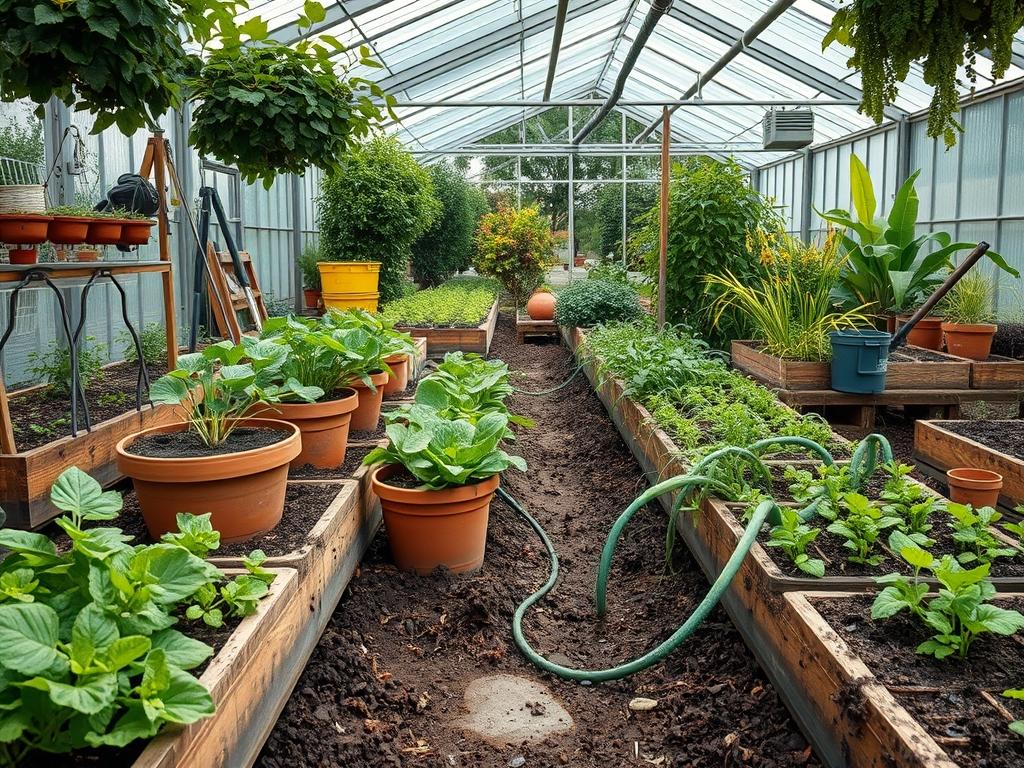
The integration of a high performance greenhouse into a residential or commercial landscape requires more than just a structural footprint; it necessitates a deep understanding of how light interacts with architectural glazing and the surrounding biology. As a landscape architect, I view the greenhouse as the crown jewel of an outdoor environment, serving as both a functional nursery and a visual focal point. However, the efficacy of this structure is entirely dependent on light transmission. Greenhouse Glass Sanitation is periodically overlooked in the broader landscape management plan, yet it remains the single most important factor in maintaining the health of the interior microclimate. When glass accumulates dust, pollen, or algae, the resulting drop in foot-candle measurements can lead to leggy plant growth and increased pathogen pressure. Furthermore, a neglected greenhouse becomes a visual detraction, marring the curb appeal and the crisp lines of a well executed garden design. Effective planning must account for the local climate, such as the high humidity of coastal regions or the dust heavy winds of arid plains, to ensure the structure remains a clear portal for solar energy.
Landscape Design Principles
Successful greenhouse placement relies on the principles of symmetry and visual balance. By treating the greenhouse as a primary focal point, we can orient walkways to lead the eye directly to the structure, often using Natural stone or Pavers to create a formal approach. Symmetry is achieved by flanking the entrance with uniform plantings that do not exceed a certain height, ensuring they do not cast shadows on the lower glass panes. Elevation layers are critical here; the greenhouse should ideally sit on a slightly elevated pad to facilitate Drainage and prevent the pooling of water at the base. Implementing a Retaining wall using Modular concrete blocks or Timber can help manage grade changes on sloped lots, providing a level foundation that simplifies the cleaning process.
Visual balance also involves the strategic use of negative space. We avoid planting large canopy trees within 20 feet of the structure to minimize the risk of falling limbs and the accumulation of leaf litter on the roof. Instead, we use lower shrubs and groundcovers to soften the transition from the hardscaping to the glass walls. Irrigation planning is another vital pillar; we must ensure that Rotary nozzles or Oscillating sprinklers are positioned to spray away from the glass. Hard water deposits from irrigation systems are a leading cause of glass etching and staining, which significantly complicates Greenhouse Glass Sanitation and reduces light penetration over time.
Plant and Material Selection
| Plant Type | Sun Exposure | Soil Needs | Water Demand | Growth Speed | Maintenance Level |
| :— | :— | :— | :— | :— | :— |
| English Lavender | Full Sun | Well Drained | Low | Moderate | Low |
| Dwarf Boxwood | Full to Part Sun | Loamy | Moderate | Slow | Medium |
| Creeping Thyme | Full Sun | Sandy | Low | Fast | Low |
| Switchgrass | Full Sun | Varied | Low | Fast | Low |
| Japanese Maple | Part Sun | Slightly Acidic | Moderate | Slow | Medium |
| Blue Star Creeper | Part Sun | Moist | Medium | Moderate | Low |
Implementation Strategy
The implementation of a greenhouse focused landscape begins with rigorous site preparation. First, the area must be graded to a 2 percent slope away from the structure to ensure that heavy rainfall does not undermine the foundation. We typically install a 4 inch layer of compacted gravel or crushed stone as a sub-base for the floor and the perimeter. This provides a stable surface for Ladders and Scaffolding when performing necessary Greenhouse Glass Sanitation tasks.
Next, we define the greenhouse perimeter with Steel edging or Aluminum bender board. This creates a crisp line between the structural foundation and the ornamental beds. Within these beds, we apply a 3 inch layer of Cedar mulch or Double shredded hardwood mulch. Mulch is essential for moisture retention, but it also serves as a buffer to prevent soil from splashing onto the glass during storms. For the glass itself, we recommend the use of a Soft-bristle brush attached to a Telescoping water-fed pole. This tool allows for the removal of environmental grime without the use of harsh chemicals that might leach into the surrounding soil. When cleaning, we utilize Deionized water or a mild solution of Vinegar and water to prevent mineral spotting. The use of a Squeegee with a 12 inch or 18 inch blade ensures a streak free finish, maximizing the available light for the internal crops.
Common Landscaping Failures
One of the most frequent failures in greenhouse integration is improper spacing. Homeowners often plant Fast growing evergreens too close to the glass, leading to root encroachment and significant shading within just a few seasons. Overcrowding inhibits airflow around the structure, which encourages the growth of moss and algae on the exterior glazing. Another major issue is poor drainage design. If the runoff from the greenhouse roof is not captured by Gutter systems or directed into a French drain, the resulting erosion can expose the footings and create mud pits that make maintenance impossible.
Soil compaction is another silent killer in these environments. Frequent foot traffic around the greenhouse for cleaning and maintenance can compress the soil, damaging the root systems of nearby Native plants and reducing the soil’s ability to absorb water. Finally, irrigation inefficiencies often lead to “glass burn.” When sprinklers are misaligned, they coat the glass in mineral heavy water. Under the hot sun, this water evaporates, leaving behind calcium and magnesium deposits that require Oxalic acid or specialized Glass polish to remove. Avoiding these pitfalls requires a proactive design that prioritizes access and environmental control.
Seasonal Maintenance
Landscape management for a greenhouse changes with the calendar. In the spring, the focus is on a deep Greenhouse Glass Sanitation routine. This involves removing the winter’s accumulation of soot and salt. We use a Pressure washer on a low setting, no higher than 1500 PSI, to rinse the frames before hand washing the glass. This is also the time to inspect Sealants and Gaskets for any weathering.
In the summer, the priority shifts to heat management. We may install External shade cloths with a 50 percent density to prevent internal temperatures from soaring. Maintaining the surrounding low-growth plants is crucial during this time to keep the area clear of pests like Aphids or Whiteflies that might migrate indoors.
Autumn requires the diligent removal of fallen leaves from the Eave troughs and roof valleys. If organic matter is left to rot on the glass, it can cause localized staining and provide a foothold for lichen. In the winter, snow management becomes the primary concern. We use a Roof rake with a Rubber edge to gently clear heavy snow loads, ensuring that the weight does not stress the glass panels or the Aluminum glazing bars. Throughout the year, consistent monitoring of light levels using a Digital light meter will indicate when it is time for a supplemental cleaning.
Professional Landscaping FAQ
How often should I clean greenhouse glass?
A thorough cleaning should occur at least twice annually, typically in early spring and late autumn. Monthly rinses with Deionized water are recommended for regions with high dust or pollen counts to maintain optimal light transmission levels.
What is the best way to prevent algae growth on glass?
Ensure adequate airflow around the structure by keeping nearby vegetation pruned. Use a Mild soap solution and avoid over-irrigating the perimeter. Improving Drainage around the base prevents the high humidity levels that favor algae colonization.
Can I use a pressure washer on my greenhouse?
Yes, but only on a low pressure setting with a Wide fan tip. High pressure can damage Silicone seals or shatter tempered glass. Always keep the nozzle at least 2 feet away from the surface for safety.
Will mulch around the greenhouse affect the glass?
Organic mulch is beneficial for soil health but can splash tannins onto the glass. Use Inorganic mulch like Pea gravel or River rock directly against the foundation to provide a clean, splash free border for the structure.
How do I remove hard water stains from the glazing?
Apply a solution of Distilled white vinegar and water, allowing it to sit for several minutes before scrubbing with a Non-abrasive pad. For severe scaling, professional Glass restoration compounds may be necessary to return the surface to full clarity.