
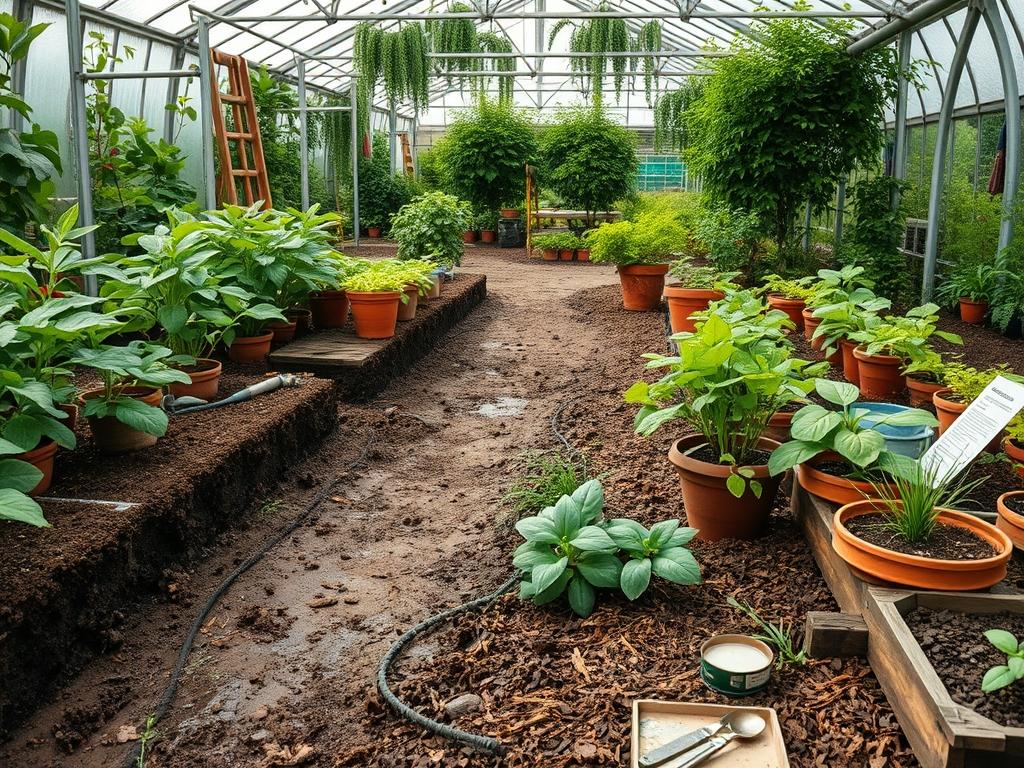
Sophisticated landscaping requires more than a keen eye for aesthetics; it demands an intimate understanding of environmental volatility and its influence on biological threats. Weather Impacts on Pests are often the silent architects of a garden’s decline, as fluctuating temperatures and erratic rainfall patterns create the perfect conditions for insect infestations and fungal outbreaks. A professional landscape architect views a property as a living ecosystem where every decision, from the slope of a retaining wall to the density of the mulch, dictates how well the environment resists disease. Achieving high curb appeal and lasting outdoor functionality depends on a design that anticipates these shifts rather than reacting to them after the damage is visible.
Modern outdoor consultants prioritize resilience because weather patterns have become increasingly unpredictable. A sudden spike in local humidity can transform a pristine lawn into a breeding ground for brown patch within forty-eight hours, while an unseasonably warm spring can accelerate the life cycle of aphids and spider mites. By integrating scientific observation with traditional design, we can create landscapes that not only look magnificent but also possess the structural integrity to withstand significant pest pressure. The goal is to build a defense through design, ensuring that drainage, airflow, and plant health work in concert to minimize the impact of external stressors.
Landscape Design Principles
Successful landscape design rests on the foundational principles of symmetry and visual balance, yet these must be executed with environmental health in mind. Symmetry provides a sense of order and luxury, but over-planting an identical species in close proximity can create a monoculture that is highly susceptible to rapid pest spread. Architectural focal points, such as a Natural Stone fountain or a specimen Japanese Maple, should be positioned in areas with optimal airflow. This reduces the stagnant pockets of air where fungal spores thrive.
Elevation layers are critical for both visual depth and moisture management. By utilizing raised beds and terraced levels, a designer can ensure that water does not pool around sensitive root systems. This is particularly important for managing soil-born pathogens. Walkways should be planned with wider clearances to prevent the brushing of foliage, which can physically transfer pests from one plant to another. Furthermore, irrigation planning must be granular; a professional layout separates zones based on the specific transpiration rates of the plants. This prevents the over-watering of shaded areas, which is a primary cause of root rot during humid weather cycles.
Plant and Material Selection
The following table outlines plants that offer a balance of aesthetic value and resilience against common weather-driven stressors.
| Plant Type | Sun Exposure | Soil Needs | Water Demand | Growth Speed | Maintenance Level |
| :— | :— | :— | :— | :— | :— |
| Echinacea (Coneflower) | Full Sun | Well-drained | Low | Moderate | Low |
| Buxus (Boxwood) | Partial to Full | Loamy/Neutral | Moderate | Slow | Medium |
| Lavandula (Lavender) | Full Sun | Sandy/Gritty | Very Low | Moderate | Low |
| Panicum virgatum (Switchgrass) | Full Sun | Flexible | Low | Fast | Minimal |
| Taxus (Yew) | Shade to Mid | Moist/Drained | Moderate | Slow | Medium |
Selecting Native Plants is often the most effective strategy for mitigating Weather Impacts on Pests. These species have co-evolved with local insect populations and are better equipped to survive regional temperature swings. When selecting hardscaping materials, such as Permeable Pavers or Crushed Granite, the focus should be on how these surfaces interact with water. Porous materials prevent runoff and allow the soil to breathe, which maintains the vigor of nearby plantings.
Implementation Strategy
A professional garden layout begins with a comprehensive site analysis followed by precision grading. The first step involves establishing a 2 percent slope away from the primary structure to ensure that heavy rains do not lead to standing water. During the grading process, installers must be careful to avoid compacting the soil with heavy machinery; compacted earth lacks the oxygen necessary for root health, making plants more vulnerable to opportunistic diseases.
Once the grade is set, the installation of hardscaping elements like Retaining Walls and French Drains provides the structural skeleton. These elements are essential for controlling the microclimate within different zones of the yard. When it comes to the softscape, spacing is the most vital factor. Following the “mature width” guidelines for every plant prevents overcrowding, which ensures that wind can pass through the foliage to dry out excess moisture from humidity or rain. Finally, applying Organic Mulch to a depth of 3 inches helps regulate soil temperature and moisture, though it must be kept a few inches away from the base of trunks to prevent rot and rodent nesting.
Common Landscaping Failures
The most frequent mistake seen in residential landscapes is improper drainage. When water sits against a foundation or at the base of a hedge, the resulting high-moisture environment is an open invitation for pests like slugs and diseases such as Phytophthora. Similarly, root overcrowding occurs when a homeowner installs plants too close together for immediate “fullness,” ignoring the fact that as the plants grow, they will compete for nutrients and choke out essential light.
Irrigation inefficiencies also rank high among common failures. Many systems are set to a simple timer that does not account for actual weather conditions. Watering in the late evening is a particularly damaging practice, as the foliage remains wet throughout the night, significantly increasing the risk of powdery mildew. Additionally, many installers fail to account for soil compaction during the construction phase. Using a Tiller or Aerator after construction is necessary to restore the soil’s structure. Without these steps, the landscape is destined to struggle, regardless of how much fertilizer or pesticide is applied.
Seasonal Maintenance
Managing a landscape requires a proactive approach that changes with the calendar. In the spring, the focus should be on sanitation. Removing dead wood with Bypass Pruners and clearing away debris from the previous winter removes the overwintering sites for many common pests. This is also the time to apply a pre-emergent barrier to prevent weed seeds from taking hold during the first warm rains.
Summer maintenance shifts toward water management and stress reduction. During heat waves, it is essential to monitor for the early signs of spider mites, which thrive in hot, dry conditions. Deep, infrequent watering is better than shallow daily sprays, as it encourages roots to grow deeper into the cooler soil. In the autumn, the primary task is the removal of fallen leaves. Many fungal pathogens survive the winter by dwelling in leaf litter; raking and composting these materials away from the garden beds is a vital preventive measure. Winter maintenance involves protecting sensitive specimens with Burlap Wraps and applying dormant oils to fruit trees to kill lingering scale or mite eggs before the next growing season begins.
Professional Landscaping FAQ
How does humidity affect my choice of plants?
High humidity limits the rate of evaporation, which can lead to fungal growth. Choose plants with open growth habits or those known for powdery mildew resistance. Ensure your design allows for maximum airflow through the center of every planting bed.
What is the best way to prevent root rot during rainy seasons?
Ensure your landscape has a proper grade and functional drainage systems like French Drains. Using raised planting beds filled with well-draining soil mixes can also keep root crowns above the saturation zone during heavy periods of rainfall.
Does mulch depth really matter for pest control?
Yes, it is a critical factor. While 3 inches of mulch suppresses weeds and retains moisture, exceeding this depth can create a habitat for wood-boring insects and harmful fungi. Always keep mulch away from the direct contact of plant stems.
Why are native plants recommended for pest management?
Native Plants are adapted to the local climate and usually have natural defenses against indigenous pests. They require fewer chemical interventions, which keeps the local ecosystem balanced and allows beneficial predatory insects to thrive and control pest populations naturally.
How can I tell if my irrigation system is causing disease?
Look for yellowing leaves or spotted foliage specifically in the path of the spray. If leaves stay wet for hours, you should redirect the Sprinkler Heads to the base of the plants or switch to a Drip Irrigation system.