
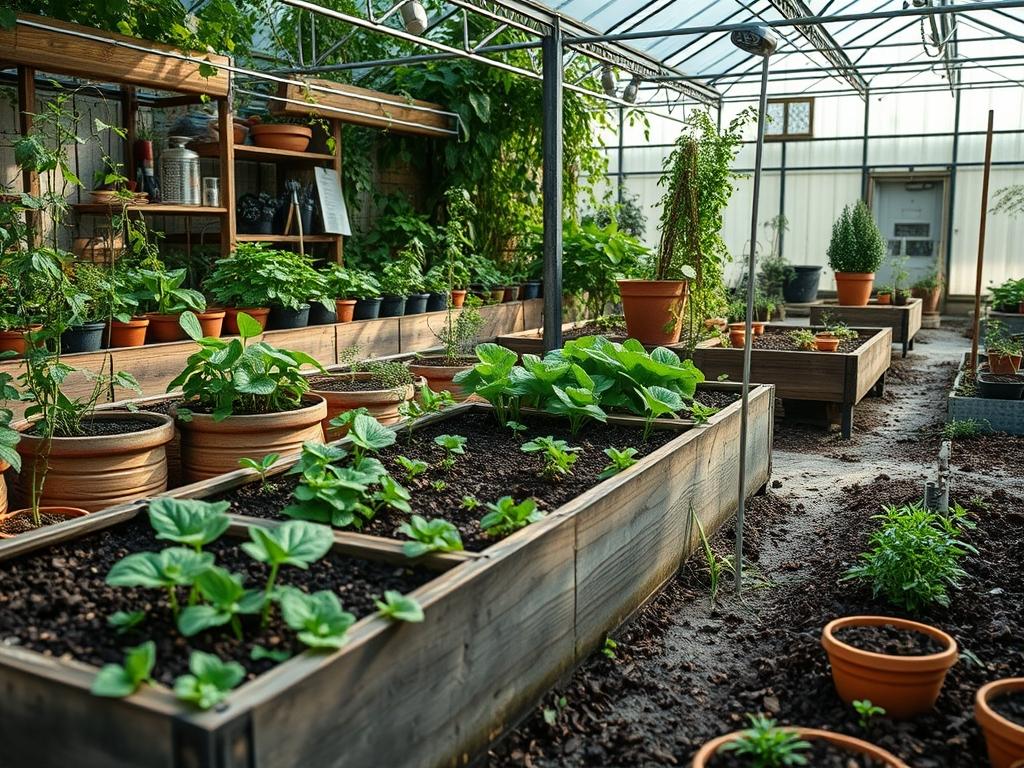
Persistent subterranean pressure from pocket gophers can compromise even the most meticulously planned outdoor environments. For the landscape architect, the challenge lies in balancing immediate aesthetic appeal with long term structural resilience. Gophers are not merely a nuisance; they are biological excavators capable of undermining the root systems of expensive specimens and destabilizing the grading of a site. By integrating Gopher-Proof Raised Beds into the master plan, we create a controlled micro-environment that protects the investment of the homeowner while introducing vertical interest to the landscape. This approach requires more than just building a box; it demands a strategic understanding of soil science, material durability, and pest biology to ensure the garden remains a sanctuary rather than a battlefield.
Modern residential landscape design often utilizes raised structures to solve site specific problems such as poor drainage or steep slopes. When these structures are designed to be gopher-proof, they serve a dual purpose as both a defensive barrier and a focal point. Effective planning considers the intersection of hardscape permanence and softscape vitality. A well constructed raised bed should feel like an extension of the home architecture, using materials that complement the existing palette while providing an impenetrable shield against pests. By elevating the planting surface, we not only save the root zones from hungry rodents but also improve ergonomic access for maintenance and harvest.
Landscape Design Principles
Successful garden planning begins with the establishment of a clear spatial hierarchy. Gopher-Proof Raised Beds should never feel like an afterthought; they should be positioned to reinforce the site’s primary sightlines and focal points. Integrating these beds into a larger geometric layout helps to create a sense of order. For example, a series of rectangular beds can be arranged in a symmetrical pattern to evoke a formal potager garden style. Conversely, staggered heights and varied lengths can mimic natural topography in a more contemporary, organic design.
Elevation layers play a critical role in the visual weight of the backyard. By varying the height of the beds, typically between 12 inches and 24 inches, a designer can create a tiered effect that draws the eye upward. This layering also allows for a more diverse plant palette, placing low-growing herbs in the foreground and taller perennials or architectural grasses in the rear. Irrigation planning must be integrated during the design phase to avoid unsightly surface hoses. Sub-surface poly tubing or dedicated PVC risers should be plumbed directly into the beds, ensuring that water delivery is efficient and concealed.
Walkways surrounding the beds are as important as the beds themselves. A minimum width of 36 inches is recommended for comfortable passage and wheelbarrow access. Utilizing stable materials like decomposed granite, crushed slate, or pavers prevents the surrounding soil from becoming compacted and creates a clean transition between the raised structures and the rest of the lawn. This “moat” of hardscaping also serves as a secondary deterrent, as gophers are less likely to tunnel through heavily compacted or rocky substrates.
Plant and Material Selection
Effective landscaping relies on a synergy between the container and the contents. Choosing the right material for the bed walls is the first step in ensuring longevity. While Pressure-Treated Lumber is available, many architects prefer Western Red Cedar or Redwood for their natural rot resistance and lack of chemical leachates. For a more modern aesthetic, Cor-Ten Steel or Stone Masonry provide a permanent solution that requires virtually no maintenance over several decades.
| Plant Type | Sun Exposure | Soil Needs | Water Demand | Growth Speed | Maintenance Level |
| :— | :— | :— | :— | :— | :— |
| English Lavender | Full Sun | Well-Drained, Gritty | Low | Moderate | Low |
| Rosemary | Full Sun | Sandy, Alkaline | Low | Fast | Minimal |
| Dwarf Citrus | Full Sun | Rich, Loamy | Medium | Slow | Moderate |
| Japanese Maple | Partial Shade | Slightly Acidic | Medium | Slow | High |
| Echinacea | Full/Part Sun | Fertile, Loamy | Moderate | Moderate | Low |
| Blueberry Bush | Full Sun | High Acidity | Medium-High | Moderate | Moderate |
| Sweet Basil | Full Sun | Humus-Rich | High | Very Fast | High |
Implementation Strategy
The construction of Gopher-Proof Raised Beds starts with precise site preparation. Begin by grading the area to ensure a level base; a slight slope is acceptable if the beds are stepped to follow the contour. Once the footprint is marked, clear all existing vegetation. The most critical component of the entire project is the sub-surface barrier. Use 1/2-inch galvanized hardware cloth or stainless steel gopher mesh. Do not use standard chicken wire, as gophers can easily squeeze through the gaps or chew through the thin gauge wire over time.
Lay the hardware cloth across the bottom of the bed area, extending it at least 3 to 4 inches beyond the outer dimensions of the frame. This prevents pests from squeezing through gaps between the wood and the ground. Secure the mesh to the bottom of the wooden frame using heavy duty staples every 2 inches. For maximum durability, a second layer of mesh can be added, ensuring the seams are offset. Assemble the bed using 3-inch deck screws and reinforce the corners with 4×4 redwood posts to prevent bowing under the weight of the wet soil.
Before filling the bed, install a liner along the interior wooden walls, but not the bottom. This prevents soil moisture from constantly touching the wood, significantly extending its lifespan. Fill the bottom 2 inches of the bed with drainage rock or coarse gravel to facilitate water movement and prevent the mesh from clogging with fine silt. Finally, add a high quality mix of organic compost, topsoil, and perlite. Ensure the soil is settled but not compacted to maintain a healthy oxygen exchange for the roots.
Common Landscaping Failures
The most frequent mistake in building Gopher-Proof Raised Beds is the use of inferior mesh materials. Many DIY projects fail because the builder uses a thin, plastic mesh or a wide-aperture wire that allows juvenile gophers to enter. Once a gopher is inside a raised bed, it has a protected, food-rich environment where it can do immense damage quickly. Always verify the gauge of the stainless steel wire and ensure it is rated for underground use.
Another common failure involves improper drainage. If the bed is built on a non-porous surface or if the hardware cloth becomes clogged with clay-heavy soil, the bed will act like a bathtub. This leads to root rot and the eventual collapse of the wooden structure due to internal hydrostatic pressure. Always include a transition layer of coarse aggregate at the bottom. Additionally, over-crowding the bed with too many plants can lead to competition for nutrients and poor air circulation, which invites pests and diseases that are even harder to manage than gophers.
Soil volume is also frequently underestimated. As organic matter breaks down, the soil level in a raised bed will drop significantly over the first year. If the bed is too shallow, the plants will become root-bound and stressed. Aim for a minimum depth of 18 inches for most vegetables and perennials. Finally, ignoring the “edge effect” can lead to failure; if the grass is allowed to grow right up against the wooden sides, the moisture from the lawn can accelerate rot on the exterior of the bed. Use a stone edging or mulch border to keep the wood dry and accessible.
Seasonal Maintenance
Maintenance requirements change with the celestial calendar. In the Spring, inspect the perimeter of the beds for any signs of burrowing near the base. Check that the drip irrigation emitters are clear of debris and that the timer is set for the increasing temperatures. This is also the time to top off the beds with fresh compost to replace volume lost to decomposition.
During the Summer, focus on moisture management. Ensure that the mulch layer is at least 3 inches thick to suppress weeds and retain water. Because raised beds sit above the natural ground level, they dry out faster than traditional gardens. Monitor the soil temperature; in extreme heat, some architects recommend installing shade cloth over the beds to protect sensitive foliage.
In Autumn, clean out spent annuals and check the structural integrity of the wood. Look for any loose screws or soft spots in the timber. If you are in a region with heavy winter rains, consider a cover crop like clover or vetch to prevent soil erosion and nutrient leaching within the bed. This “living mulch” keeps the soil biology active through the colder months.
Winter is the season for structural repair. If the beds are empty, this is the ideal time to check the hardware cloth from the inside. Ensure no roots have managed to break the mesh welds. For those in freeze-thaw climates, check for “heaving” where the bed might have shifted off its level base. Re-leveling the beds in winter ensures they are ready for immediate planting when the ground warms in the spring.
Professional Landscaping FAQ
What is the best material for gopher-proof mesh?
The industry standard is 1/2-inch galvanized hardware cloth. For coastal environments or high acidity soils, 304 stainless steel mesh is superior because it resists corrosion significantly longer than galvanized options, ensuring a permanent subterranean barrier.
How deep should my raised bed be for vegetables?
Most crops require at least 12 to 18 inches of soil depth for healthy root development. If you are planting deep-rooted perennials or root vegetables like carrots, a depth of 24 inches provides the optimal growth environment.
Can I put a raised bed directly on concrete?
Yes, but you must ensure excellent drainage. Without a soil base, water must escape through the bottom seams. Use drainage spacers or a thick layer of drainage rock to prevent the soil from becoming anaerobic and waterlogged.
How do I stop the wood from rotting?
Select naturally rot-resistant species like Redwood or Cedar. Apply a food-safe polyurethane or linseed oil sealer to the exterior. Internally, using a plastic pond liner on the side walls prevents constant moisture contact with the timber.
Will gophers climb over the sides of the bed?
Gophers are primarily subterranean and rarely travel above ground where they are vulnerable to predators. A bed height of 12 inches or more is usually sufficient to discourage them from climbing over the edge into the soil.