
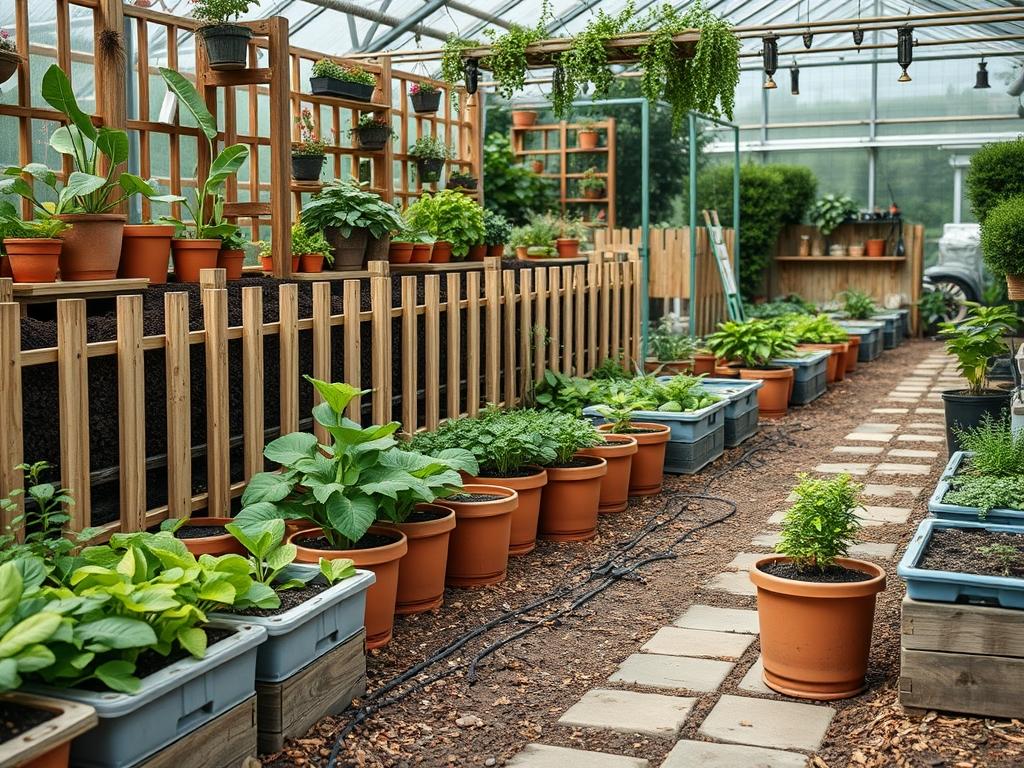
Managing a successful landscape project requires a delicate balance between aesthetic appeal and long term structural integrity. One of the most persistent threats to outdoor environments in many climates is the presence of subterranean termites. These pests can compromise the stability of traditional wooden structures within a matter of months, necessitating expensive replacements and potentially inviting infestations closer to the primary residence. As a landscape architect, I prioritize materials that mitigate these biological risks while enhancing the natural beauty of the site. Composite Fencing has emerged as a premier solution for modern outdoor design. By blending reclaimed wood fibers with recycled plastics, this material offers the tactile warmth of timber without providing the cellulose food source that attracts wood destroying organisms. When planning a perimeter, one must consider how the fence interacts with the local ecosystem, the soil moisture levels, and the overall functionality of the backyard.
Effective landscaping is not merely about planting shrubs; it is about creating a cohesive environment where the hardscaping and softscaping work in unison. A well chosen fence serves as the structural “bones” of the garden, providing a backdrop that defines the space and ensures privacy. However, if that fence begins to rot or suffer from insect damage, the entire design aesthetic and property value takes a hit. Composite Fencing Benefits extend beyond simple durability. They include UV resistance, moisture protection, and, most importantly, a barrier against termites that typically thrive in the damp transition zones between soil and wood. By selecting these advanced materials, property owners can invest in a permanent solution that requires minimal intervention over its thirty year lifespan.
Landscape Design Principles
In professional landscape architecture, we adhere to several core principles to ensure a project feels intentional and balanced. Symmetry and focal points are essential for guiding the eye through the environment. A high quality fence provides a clean, consistent horizon line that allows the colors of the plants to pop. When we design for elevation layers, we often use the fence as the highest vertical plane. This creates a sense of enclosure and security, commonly referred to as the “prospect refuge” effect in environmental psychology. Visual balance is achieved by mirroring the textures found in the fencing with the textures of the foliage and hardscape. For example, if a homeowner selects a Composite Fencing panel with a deep grain texture, we might complement it with large leafed plants like Hostas or the structured form of Boxwood.
Irrigation planning is another critical component that must be integrated during the design phase. Traditional wood fences often fail because they are constantly hit by overspray from automated sprinklers. This constant moisture leads to fungal growth and attracts termites. With composite materials, the site can handle much more aggressive irrigation schedules without the risk of structural decay. Furthermore, we must consider walkways and how they interact with the fence line. Defining a clear border with Steel Edging or Pavers between the fence and the turf prevents mechanical damage from String Trimmers and keeps moisture-wicking grass away from the base of the posts.
Visual continuity is often overlooked in amateur designs. A fence should not look like an afterthought; it should appear as if it grew out of the ground along with the garden. By using staggered heights or integrating Arbors and Treallises made of the same composite material, we can create a fluid transition from the functional perimeter to the decorative center of the yard. This holistic approach ensures that every element, from the Flagstone path to the LED Path Lights, serves the broader vision of a low maintenance, high impact outdoor living space.
Plant and Material Selection
Selecting the right flora to accompany a composite fence is vital for both aesthetics and termite prevention. We generally recommend plants that do not require excessive mounding of organic Mulch directly against the fence line, as this can create a bridge for pests.
| Plant Type | Sun Exposure | Soil Needs | Water Demand | Growth Speed | Maintenance Level |
| :— | :— | :— | :— | :— | :— |
| English Lavender | Full Sun | Well-Drained | Low | Moderate | Low |
| Green Giant Arborvitae | Full to Partial Sun | Loamy/Moist | Moderate | Fast | Low |
| Dwarf Boxwood | Full to Partial Sun | Well-Drained | Moderate | Slow | Moderate |
| Blue Star Juniper | Full Sun | Sandy/Dry | Low | Slow | Very Low |
| Purple Coneflower | Full Sun | Diverse/Poor | Low | Moderate | Low |
| Japanese Forest Grass | Partial to Full Shade | Rich/Moist | Moderate | Slow | Low |
Implementation Strategy
The successful installation of a landscape that prioritizes termite prevention begins with grading. Proper Grading ensures that water flows away from the structure and the fencing line. Standing water is the primary catalyst for termite activity. Before any posts are set, the site must be surveyed to identify low spots. We typically use a Transition Level or a Laser Level to establish a consistent slope of at least 2 percent away from the home and any permanent fencing.
Once the grade is established, the fence posts must be anchored. For Composite Fencing, we recommend digging post holes to a depth of 36 inches in colder climates or at least 24 inches in temperate zones. Filling the base of the hole with 6 inches of Crushed Stone or Gravel facilitates drainage, ensuring that even if the soil becomes saturated, the post base remains relatively dry. The posts are then set in Quick-Set Concrete, which should be finished with a slight crown at the surface to shed water.
After the fencing is secure, we turn our attention to the planting beds. A common mistake is placing soil and Mulch in direct contact with the fence panels. To prevent this, we install Aluminum Edging or Concrete Border Stones approximately 4 inches from the fence. This gap creates a “dry zone” that is unattractive to termites. Inside the beds, a layer of Geotextile Fabric is laid down to suppress weeds, followed by 3 inches of inorganic mulch, such as River Rock or Lava Rock, near the fence, transitionining to organic wood chips only in areas well away from the structural perimeter.
Common Landscaping Failures
The most frequent failure I see in residential landscapes is root overcrowding near the fence line. When large trees like Silver Maples are planted too close to a perimeter, their aggressive root systems can heave the concrete footings, misaligning the fence and creating gaps. These gaps allow soil to come into contact with the panels, which, even with composite materials, can lead to aesthetic staining and provide a bypass for insects. We suggest a minimum offset of 5 feet for small trees and 10 feet for larger species.
Another major issue is irrigation inefficiency. Overlapping spray patterns that drench the fence daily create a microclimate of high humidity. Even though composite is water resistant, this constant moisture can lead to algae and moss growth, which requires more frequent cleaning. Furthermore, soil compaction is a silent killer of garden health. When soil is compacted by heavy machinery during construction, it loses its ability to drain. This results in “bathtub” conditions where water sits around the fence posts, encouraging the very pests we are trying to avoid. Using a Core Aerator and amending the soil with Organic Compost can help restore drainage and health to the site.
Seasonal Maintenance
Maintaining a professional landscape requires a calendar based approach. In the spring, the focus should be on inspection. Check the fence line for any signs of soil shifting or debris accumulation. Use a Power Washer on a low setting, no more than 1500 PSI, to remove any winter grime from the composite panels. This is also the time to apply a pre-emergent herbicide to the planting beds to prevent weed growth.
Summer maintenance involves monitoring the Irrigation System. Ensure that the Sprinkler Heads are adjusted so they do not spray directly onto the fence. Prune any fast growing shrubs, such as Privet or Lilac, to maintain a clear gap of at least 12 inches between the foliage and the fencing. This air circulation is vital for preventing fungal issues on the plants and keeping the fence looking pristine.
During the autumn, the primary goal is leaf management. Wet leaves piled against a fence are a major draw for termites and other pests seeking warmth and moisture. Use a Leaf Blower or a Rake to clear the perimeter regularly. This is also an excellent time to add a fresh layer of Mulch to the garden beds, being careful to maintain the “dry zone” at the base of the fence.
In winter, maintenance is minimal but important. If you live in an area with heavy snow, avoid piling snow against the fence when clearing walkways. The weight and moisture of a large snowbank can put undue stress on the panels and posts. Check for any loose fasteners or Stainless Steel Screws that may have backed out due to freeze-thaw cycles and tighten them as necessary to ensure structural integrity for the coming year.
Professional Landscaping FAQ
How does composite fencing prevent termite damage?
Unlike cedar or pine, composite materials contain no accessible cellulose. Termites cannot digest the plastic-wood matrix, so they do not colonize the panels. This removes the “food trail” that often leads pests from the yard to the house.
Is composite fencing more expensive than pressure-treated wood?
The initial investment in Composite Fencing is higher than wood. However, when factoring in the costs of staining, chemical treatments, and eventual termite repairs, composite is significantly more cost effective over a ten to fifteen year period.
Can I install composite fencing on a sloped yard?
Yes, composite panels can be “stepped” or “racked” depending on the specific product design. Stepping allows the fence to follow the grade while keeping the panels level, which is the preferred method for maintaining clean architectural lines.
Does composite fencing require special tools for installation?
Standard woodworking tools like a Circular Saw and a Power Drill are sufficient. However, we recommend using high quality Carbide-Tipped Blades because the dense material can dull standard steel blades much faster than traditional lumber.
Will the color of the fence fade over time?
High quality composites are engineered with UV inhibitors. While a slight “weathering” may occur in the first few months, the color remains stable for decades without the need for painting, staining, or sealing, unlike natural wood.