
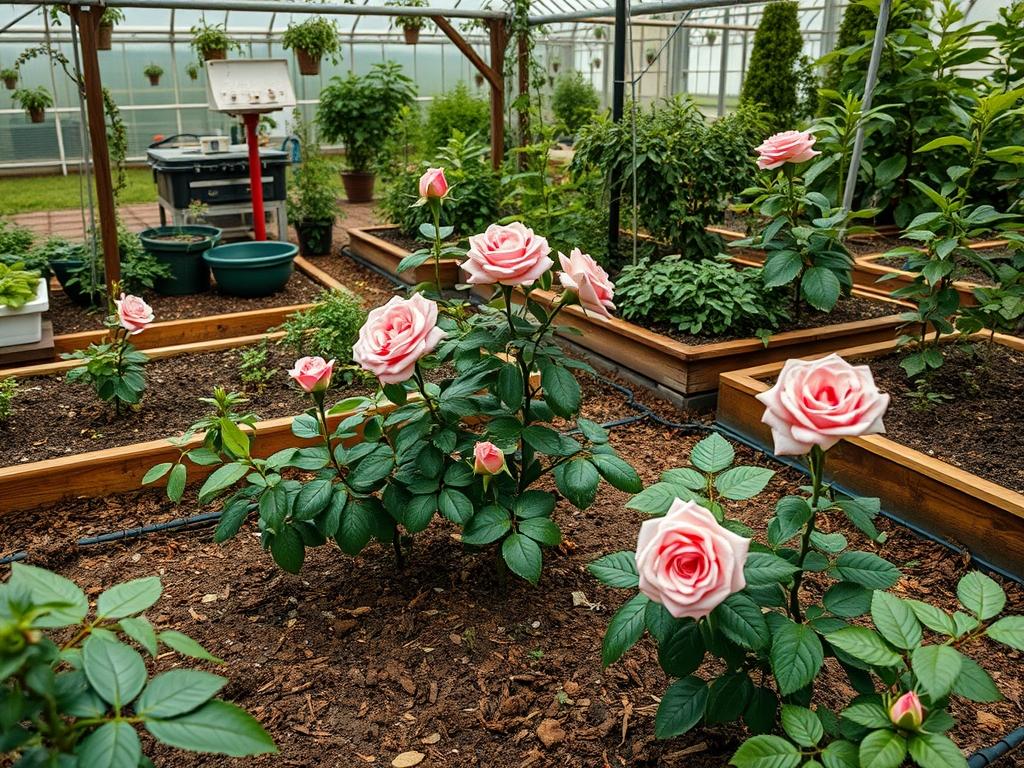
Integrating roses into a modern landscape requires a shift from traditional high-maintenance gardening toward a more ecological and sustainable architectural approach. For decades, the rose was perceived as a finicky specimen requiring constant chemical intervention to ward off black spot, powdery mildew, and rust. However, as an outdoor environment consultant, I view the selection of Disease Resistant Roses as a vital component of a functional, low-stress landscape design. These varieties provide the structural elegance and color saturation expected of a high-end garden without the recurring cost of fungicide applications or the visual degradation that occurs when foliage fails mid-summer. A successful installation enhances curb appeal while supporting a healthy microclimate, ensuring that the outdoor living space remains inviting and vibrant throughout the growing season.
Understanding the specific climate and regional stressors is the first step in this planning process. Resistance is not a universal trait; a rose that thrives in the arid West might struggle with fungal pressure in the humid Southeast. In professional landscape architecture, we prioritize plants that demonstrate resilience against the most localized pathogens. By choosing cultivars that have earned rigorous certifications, such as the ADR (Allgemeine Deutsche Rosenneuheitenprüfung) or the American Garden Rose Selections, we ensure the long-term viability of the project. This strategic selection process protects the homeowner’s investment and ensures the landscape fulfills its role as a therapeutic and aesthetic asset.
LANDSCAPE DESIGN PRINCIPLES
In professional garden planning, roses are utilized as structural anchors rather than isolated specimens. We apply the principle of elevation layers to create a sense of depth and enclosure. This involves placing shrub roses in the mid-ground, where they can bridge the gap between low-lying groundcovers and taller woody ornamentals or perimeter fencing. By layering heights, we achieve a visual balance that guides the eye through the property. Symmetry is often used in formal entries, where matching tree roses or topiary standards flank a walkway or portico, providing an immediate sense of arrival and sophistication.
Focal points are another critical design element. A single, well-placed climbing rose on a custom steel trellis can transform a blank retaining wall into a vertical garden, drawing the eye upward and maximizing the utility of vertical space in smaller urban lots. Beyond aesthetics, we must design for air circulation. Proper spacing is the primary defense against moisture-related diseases. In our technical layouts, we calculate the mature spread of each cultivar to ensure that air moves freely between the plants. This reduces the humidity levels around the foliage, which is the most effective cultural method for preventing spore germination.
Strategic irrigation planning is also a hallmark of professional design. We specify drip irrigation systems with emitters placed at the base of each plant. This design choice prevents water from contacting the leaves, a common catalyst for fungal outbreaks. Furthermore, the integration of roses must account for the transition between hardscaping and softscaping. We utilize natural stone edging or powder-coated aluminum benders to create crisp lines between lawn areas and rose beds, preventing turf grass from encroaching on the root zones and ensuring the landscape looks meticulously maintained.
PLANT AND MATERIAL SELECTION
Selecting the right plant for the right place is the foundation of a sustainable landscape. The following table provides a professional guide to some of the most reliable disease-resistant cultivars and their specific environmental requirements.
| Plant Type | Sun Exposure | Soil Needs | Water Demand | Growth Speed | Maintenance Level |
| :— | :— | :— | :— | :— | :— |
| Knock Out (Radrazz) | Full Sun | Well-drained loam | Moderate | Fast | Low |
| Rugosa (Hansa) | Full Sun | Sandy/Poor soil | Low | Medium | Very Low |
| Flower Carpet | Full Sun | Rich organic | Moderate | Fast | Low |
| Drift (Coral) | Full Sun | Loamy/Clay blend | Moderate | Medium | Low |
| Iceberg (Climbing) | Full Sun to Part | Well-drained | Moderate | Fast | Medium |
| Zephirine Drouhin | Part Shade | High organic | Moderate | Medium | Medium |
IMPLEMENTATION STRATEGY
The installation of a rose-focused landscape begins with professional site preparation and grading. We first assess the soil structure and drainage. Roses require a pH level between 6.0 and 6.5. If the soil is heavy clay, we implement soil amendments such as expanded shale or composted organic matter to increase porosity. Grading is then performed to ensure that water moves away from the foundation of the home and does not pool in the root zones. In areas with poor natural drainage, we may install a French drain or elevate the planting beds using stacked stone retaining walls.
Once the site is prepared, the layout is marked using landscape marking paint to reflect the design blueprints. We dig planting holes that are twice as wide as the root ball but no deeper than the original container. This encourages lateral root growth and prevents the plant from settling too deep, which can lead to crown rot. During the planting phase, we incorporate a slow-release 10-10-10 fertilizer into the backfill soil. After the roses are set, a 3-inch layer of double-shredded hardwood mulch is applied to the surface. This mulch layer serves multiple functions: it suppresses weed growth, regulates soil temperature, and retain moisture, all while providing a finished, professional look to the garden beds.
COMMON LANDSCAPING FAILURES
One of the most frequent errors observed in amateur landscaping is the over-compaction of soil during the construction phase. Heavy machinery can crush soil pores, leading to poor drainage and suffocated roots. If the soil is too dense, the roses will display stunted growth and yellowing foliage, regardless of their disease resistance. Another common failure is improper irrigation timing. Watering in the late evening ensures that moisture sits on the leaves overnight, creating a primary breeding ground for pathogens. We always recommend early morning irrigation cycles to allow for rapid transpiration.
Root overcrowding is another technical mistake that undermines modern design. While a dense planting might look lush initially, the lack of light penetration and air movement eventually leads to the “skeletonizing” of the plant’s interior. Furthermore, many homeowners fail to account for the impact of reflected heat from concrete walkways or white vinyl fencing. This microclimate stressor can scorch even the hardiest shrub roses. To mitigate this, we plan for heat-tolerant varieties or incorporate thermal breaks using low-volume misting systems and heat-absorbing mulch materials.
SEASONAL MAINTENANCE
A professional maintenance schedule is divided into four distinct phases to ensure the roses remain the centerpiece of the landscape. In the Spring, the focus is on structural pruning and dormant oil applications. We remove any winter-damaged canes and thin out the center of the plants to maximize airflow. As the first buds appear, a balanced granular fertilizer is applied. This is also the ideal time to refresh the mulch depth to ensure it remains at the recommended 3-inch level before the summer heat arrives.
During the Summer, maintenance shifts to monitoring irrigation systems and deadheading. While many modern disease-resistant roses are self-cleaning, the manual removal of spent blooms encourages a faster re-bloom cycle and maintains a tidy appearance for curb appeal. In the Autumn, we reduce fertilization to discourage soft new growth that could be damaged by frost. This is the period for limb-gathering and ensuring that tall canes are secured to decorative obelisks or trellises to prevent wind damage. Winter maintenance is focused on protection. In colder zones, we apply a mound of compost or straw over the base of the plants to insulate the graft point against freeze-thaw cycles.
PROFESSIONAL LANDSCAPING FAQ
What makes a rose truly disease resistant?
It is a cultivar bred specifically to withstand common pathogens like black spot without chemical treatments. Breeders select plants that show natural immunity or high tolerances, ensuring they maintain healthy foliage and vigorous blooms throughout the entire growing season with minimal intervention.
Do disease resistant roses still require pruning?
Yes, though they are tougher, pruning is essential for structural integrity. Annual thinning increases air circulation and light penetration. Removing dead or crossing canes prevents physical injury and encourages the growth of new, flower-bearing wood, which keeps the shrub looking rejuvenated.
Can roses grow in partial shade?
Most roses require 6 to 8 hours of direct sunlight. However, specific varieties like Zephirine Drouhin or certain Rugosa species can tolerate dappled light. In shaded areas, disease resistance is even more critical because leaves stay wet longer after rain.
Is drip irrigation better than overhead watering?
Drip irrigation is vastly superior for rose health. By delivering water directly to the soil and root zone, you keep the foliage dry. Wet leaves are the primary pathway for fungal infections, so ground-level watering is a critical preventative landscape strategy.
How do I improve drainage for my rose garden?
If you have heavy clay, incorporate organic amendments or expanded shale to improve soil structure. For severe drainage issues, construct raised masonry beds or install perforated drain pipes to move excess water away from the root systems and prevent rot.