
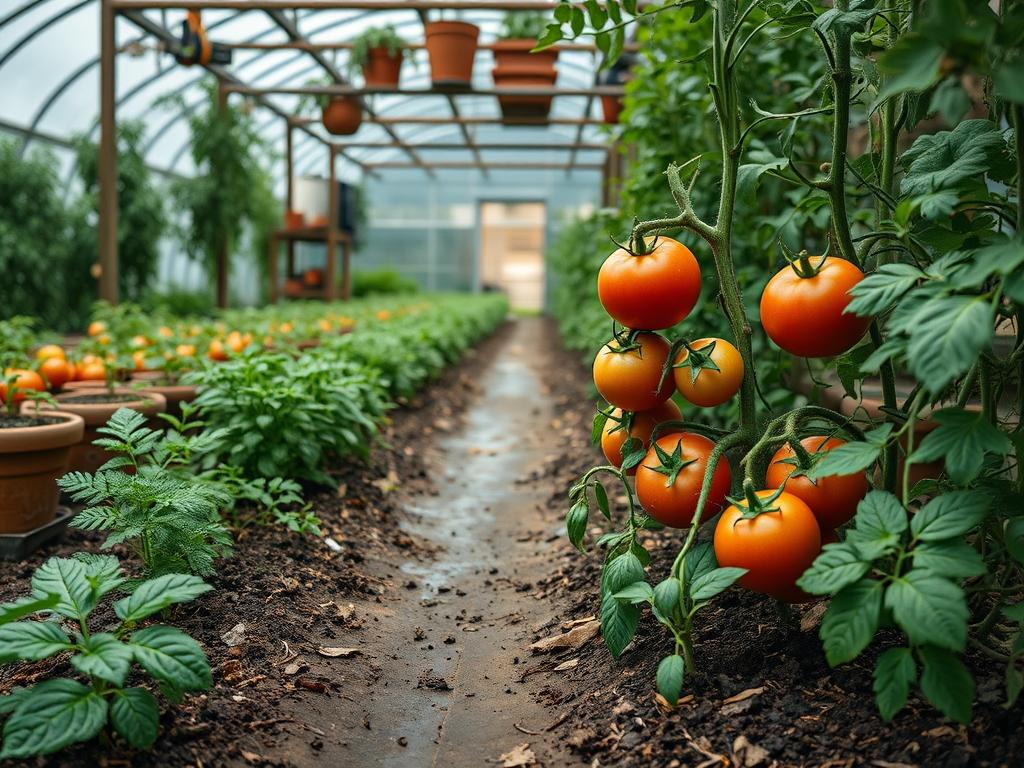
Sustainable landscape design involves more than just selecting aesthetically pleasing foliage; it requires a strategic understanding of environmental pathology and microclimates. One of the most significant challenges for homeowners integrating edible elements into their permanent landscape architecture is the threat of fungal pathogens, specifically Early Blight and Late Blight. These diseases can devastate the visual appeal of a backyard in a matter of days, turning vibrant green canopies into withered, brown eyesores that compromise curb appeal. Integrating Blight Resistant Tomatoes into a structured garden plan allows for a productive edible layer that maintains professional grade aesthetic standards throughout the growing season. By selecting varieties bred for high tolerance, designers can ensure that the structural integrity of the plantings remains intact even during humid, high pressure weather cycles.
When planning a high end landscape, functionality must go hand in hand with visual dominance. Blight, caused by organisms like Phytophthora infestans, thrives in moisture and poor airflow. From a design perspective, this means that the traditional crowded garden patch is a liability. Instead, these plants should be treated as structural elements within the landscape, positioned to receive maximum solar exposure and curated airflow. Proper placement ensures that the investment in hardscaping and ornamental specimens is not overshadowed by dying vegetable crops. A well executed plan involving Blight Resistant Tomatoes enhances the outdoor environment, providing a lush, green textured backdrop that serves as a functional harvest zone without sacrificing the sophisticated look of a professionally managed estate.
Landscape Design Principles
Successful integration of productive plants into a luxury landscape depends on the application of core design principles. Symmetry and axial alignment are essential for creating a sense of order. When placing Blight Resistant Tomatoes, avoid haphazard clusters. Instead, use them to create rhythmic intervals along a gravel walkway or within raised cedar planters. Using repeated forms helps the eye move through the space fluidly, making the edible components feel like an intentional part of the architectural vision rather than an afterthought.
Focal points and elevation layers provide the vertical interest necessary for a dynamic outdoor space. Indeterminate tomato varieties can be trained up 8 foot custom steel obelisks or hardwood trellises, serving as living pillars that draw the eye upward. This verticality is crucial in smaller landscapes where horizontal space is at a premium. By layering these tall elements behind shorter ornamental shrubs or flowering perennials, you create a tiered effect that mimics natural woodland edges while maintaining a clean, manicured appearance.
Irrigation planning and walkway design are the functional backbones of the landscape. For blight prevention, irrigation must be strictly controlled. Integrating a low volume drip irrigation system hidden beneath 3 inches of mulch is the standard for professional installations. This keeps moisture at the root zone and away from the foliage, which is the primary site of infection. Walkways should be constructed from non splash materials such as decomposed granite or well drained pavers. This minimizes the splashing of soil borne pathogens onto the lower leaves during heavy rain events, further protecting the health of the plants.
Plant and Material Selection
The selection of specific cultivars is the most critical decision in a blight prone environment. The following table provides a professional guide to the top performing varieties and their requirements.
| Plant Type | Sun Exposure | Soil Needs | Water Demand | Growth Speed | Maintenance Level |
| :— | :— | :— | :— | :— | :— |
| Mountain Merit | Full Sun (8+ hrs) | Well drained, rich loam | Moderate / Drip | Fast / Indeterminate | Medium |
| Iron Lady | Full Sun | High organic matter | Consistent moisture | Moderate | Low (Resistance) |
| Stellar | Full Sun | Neutral pH (6.5-7.0) | Moderate | Moderate / Determinate | Low |
| Defiant PHR | Partial to Full Sun | Loamy with Compost | High during fruiting | Fast | Medium |
| Jasper | Full Sun | Sandy loam | Low to Moderate | Very Fast / Cherry | Low |
| Galahad | Full Sun | Deep, tilled soil | Moderate | Fast | Medium |
In addition to the plants themselves, material selection for the surrounding environment is vital. Use heavy duty landscape fabric under paths to suppress weeds that might harbor pests. For soil amendment, professional grade slow release organic fertilizer and mycorrhizal fungi inoculants encourage strong root development. Stronger roots lead to a more resilient vascular system, allowing the plant to better withstand the stresses that lead to disease outbreaks.
Implementation Strategy
A professional landscape implementation begins with site grading. The area must be surveyed to ensure a 1 percent to 2 percent slope away from the home and any permanent structures. This prevents standing water, which increases ambient humidity and creates a breeding ground for blight spores. If the natural geography is flat, consider the installation of French drains or slotted PVC pipes wrapped in geotextile fabric to manage subsurface water movement.
Once the drainage is established, define the garden beds with professional steel edging or stacked stone retaining walls. This creates a crisp line between the lawn and the planting zone, preventing turf grass and its associated pests from encroaching on the tomato plants. For the actual planting, space the Blight Resistant Tomatoes at least 36 inches apart on center. While this may seem excessive to the novice, the professional architect knows that air circulation is the best fungicide. Air must be able to move freely through the canopy to dry the leaves quickly after dew or rain.
Apply a 3 inch layer of hardwood mulch or clean wheat straw across the entire bed surface. This mulch serves multiple purposes: it regulates soil temperature, suppresses weeds, and acts as a physical barrier between the soil and the plant. When planting, use a hand trowel to set the seedlings deep into the soil, burying the stem up to the first set of true leaves. This encourages adventitious root growth, creating a massive root ball capable of supporting the heavy fruit loads characteristic of varieties like Mountain Magic or Umamin.
Common Landscaping Failures
The most frequent failure in edible landscaping is improper drainage. When soil remains saturated, oxygen is pushed out, leading to root rot and making the plant highly susceptible to opportunistic pathogens. If you observe yellowing lower leaves or a persistent musty odor, the drainage profile is likely insufficient. This is often caused by soil compaction from heavy machinery during the construction phase. Use a broadfork to aerate the soil deeply before planting, introducing perlite or coarse sand to improve the macropore space.
Root overcrowding is another common error. In an attempt to achieve an immediate full look, many installers place plants too close together. As Blight Resistant Tomatoes mature, their foliage will overlap, creating pockets of stagnant air. In these microenvironments, humidity levels can reach 100 percent, allowing blight to bypass even the strongest genetic resistance. Stick to the specified 36 inch spacing and use pruning shears to remove the bottom 12 inches of foliage as the plant grows, a technique known as “skirting” that significantly reduces disease pressure.
Finally, irrigation inefficiencies can undermine the entire project. Overhead sprinklers are the enemy of the tomato garden. Water hitting the leaves creates the exact conditions necessary for spores to germinate. Furthermore, inconsistent watering schedules lead to blossom end rot and fruit cracking. A smart irrigation controller paired with a weather station ensures that the plants receive exactly what they need based on real time evaporation rates, keeping the plants turgid and healthy without wetting the foliar surfaces.
Seasonal Maintenance
Spring maintenance focuses on preparation and prevention. Begin by testing the soil pH using a digital probe. Aim for a range between 6.0 and 7.0. Apply a preventative copper fungicide if your region has a history of high disease pressure, even when using resistant varieties. Ensure all support structures, such as powder coated cages or wire mesh, are sterilized with a 10 percent bleach solution to kill any overwintering spores from the previous season.
Summer management involves vigilant monitoring and structural support. As the plants grow, tie the main stems to their supports using soft garden twine or velcro strips, being careful not to constrict the vascular tissue. Check the drip emitters weekly to ensure they are not clogged by mineral deposits. Prune “suckers”—the small shoots that grow in the axils of the leaves—to maintain a single or double leader system. This focuses the plant’s energy on fruit production and keeps the canopy open for light penetration.
Autumn is the time for sanitation and soil rejuvenation. Once the harvest concludes, remove all plant debris from the site immediately. Do not compost tomato vines, as home compost piles rarely reach the temperatures necessary to kill blight spores. Clear the beds and sow a cover crop like winter rye or crimson clover. These cover crops protect the soil from erosion and add valuable nitrogen back into the profile when they are tilled under in the spring.
Winter provides an opportunity for landscape reflection and tool maintenance. Sharpen your bypass pruners and loppers to ensure clean cuts in the coming season. Review the performance of your chosen varieties. If Defiant performed better than Mountain Merit in your specific microclimate, adjust your ordering for the next cycle. Plan any hardscaping upgrades, such as adding permanent stone pathways or automated fertigation systems, while the ground is dormant.
Professional Landscaping FAQ
Why should I choose blight resistant varieties over heirlooms?
Professional landscapes require reliability. Blight resistant varieties offer guaranteed aesthetic longevity and yield in humid conditions. Heirlooms often succumb to disease early, leaving unsightly gaps in your garden design and requiring costly, time consuming chemical interventions.
What is the best mulch for a tomato landscape?
Clean wheat straw or shredded cedar mulch are preferred. These materials provide excellent insulation and prevent soil splash. Avoid dyed wood chips, which may contain chemicals that alter soil chemistry or introduce unwanted fungal species into the environment.
How do I integrate tomatoes without making the yard look messy?
Utilize architectural supports like obelisks or espalier frames. By treating the vines as structural elements and maintaining strict pruning habits, you can incorporate tomatoes into formal gardens, keeping them neat, upright, and visually integrated with ornamental plantings.
Can I grow blight resistant tomatoes in containers?
Yes, but use large 15 gallon pots with integrated drainage. Ensure you use a high quality soilless potting mix containing peat moss and vermiculite. Containers allow for better control over the environment and can be moved to maximize sun.
Does blight stay in the soil over winter?
Late Blight requires living tissue to survive, but Early Blight spores can persist in soil and plant debris for several years. This makes crop rotation and the use of landscape fabric or heavy mulch essential for long term success.