
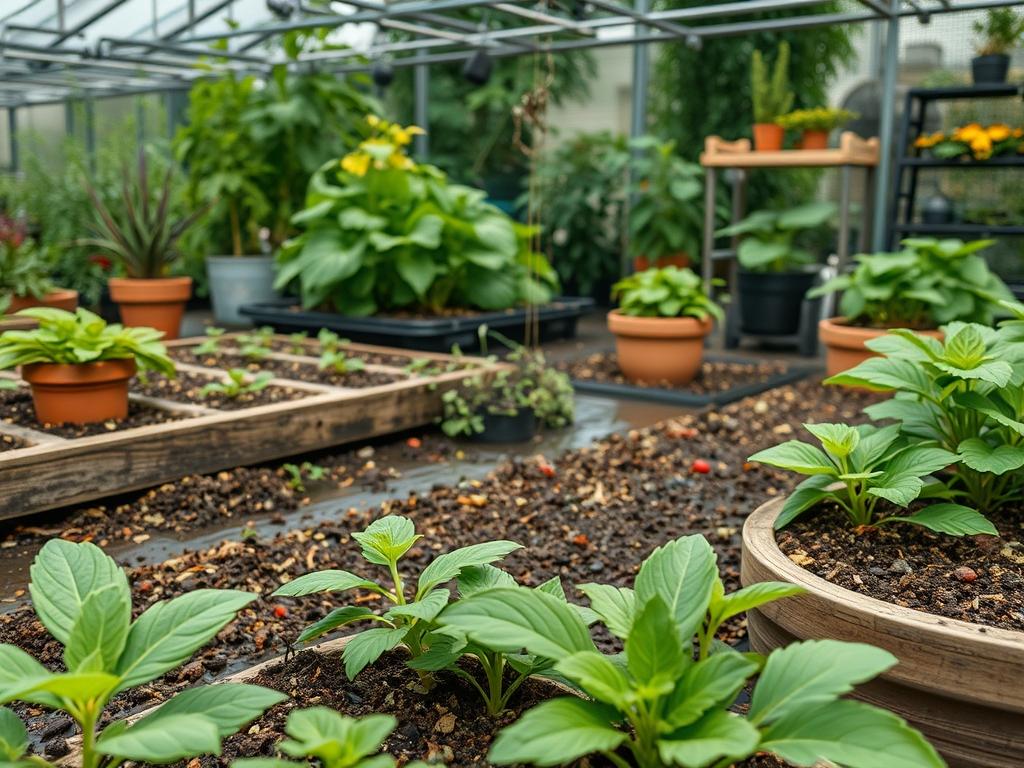
Designing a landscape that prioritizes beneficial hoverfly attraction requires a sophisticated balance between aesthetic structural integrity and ecological functionality. Often overlooked in favor of more charismatic pollinators like honeybees or butterflies, the hoverfly, or syrphid fly, serves a dual purpose in the high performance garden. They are highly efficient pollinators in their adult stage and voracious predators of aphids and thrips in their larval stage. Achieving an environment that supports these insects involves more than simply scattering wildflower seeds. It demands a rigorous approach to garden design that accounts for microclimates, thermal regulation, and the precise timing of nectar availability. For the modern homeowner, this translates to increased curb appeal through diverse textures and colors, coupled with a significant reduction in the need for chemical pest interventions. By treating the garden as a living system rather than a static display, we can create a resilient landscape that maintains its beauty while providing essential ecosystem services.
Landscape Design Principles
Successful hoverfly integration begins with the fundamental principles of landscape architecture, specifically symmetry, focal points, and elevation layers. Hoverflies are visual foragers that navigate best in gardens with clear structural definitions. Incorporating a “staircase” effect in your planting beds ensures that nectar sources are available at different flight heights. This involves placing ground covers at the front, followed by mid-sized perennials, and taller shrubs or specimen trees at the rear. Such stratification creates a windbreak, protecting delicate insects from strong gusts while providing varied thermal zones for sunbathing and cooling.
Symmetry contributes to a sense of order and intentionality, preventing the garden from appearing overgrown or neglected. You might use boxwood or privet hedging to define the edges of your pollinator beds. These clean lines provide a formal frame for the softer, more chaotic textures of hoverfly-preferred plants like fennel or yarrow. Focal points, such as a stone fountain or a large decorative urn, serve as navigation markers for the insects and visual anchors for the human eye.
Walkways and circulation paths are also critical. Using materials like decomposed granite or flagstone allows for easy access for maintenance without compacting the soil near the root zones of your plants. Furthermore, irrigation planning must be precise. Drip irrigation is preferred over overhead rotors. High-pressure water spray can damage the fragile wings of hoverflies and wash away the pollen they rely on. By keeping the moisture at the soil level, you ensure plant health while maintaining an environment conducive to insect flight.
Plant and Material Selection
The following table identifies high-performing plant species that are scientifically proven to maximize beneficial hoverfly attraction while maintaining low to moderate maintenance requirements for the property owner.
| Plant Type | Sun Exposure | Soil Needs | Water Demand | Growth Speed | Maintenance Level |
| :— | :— | :— | :— | :— | :— |
| Sweet Alyssum | Full Sun to Part Shade | Well-drained, loamy | Medium | Fast | Low |
| Common Fennel | Full Sun | Fertile, well-drained | Low | Fast | Medium |
| Dill | Full Sun | Rich, moist | Medium | Fast | Low |
| Common Yarrow | Full Sun | Poor to average | Low | Medium | Very Low |
| Coreopsis | Full Sun | Well-drained | Low | Fast | Low |
| Cosmos | Full Sun | Average, slightly acidic | Medium | Fast | Low |
| Buckwheat | Full Sun | Versatile, poor soil | Low | Rapid | Low |
| French Marigold | Full Sun | Rich, well-drained | Medium | Medium | Medium |
Implementation Strategy
The transition from a design concept to a realized landscape requires a systematic approach to site preparation and installation. Begin with professional grading to ensure that water moves away from home foundations and toward designated bioswales or collection points. Hoverflies are attracted to moisture but their larvae can drown in stagnant, anaerobic soil. Proper drainage is the foundation of a healthy habitat. If your site has heavy clay, consider integrating a retaining wall built from natural limestone or concrete blocks to create raised beds. This improves drainage and elevates the floral displays to eye level, enhancing the outdoor living experience.
Once the grade is established, define your garden beds with professional edging. Metal or stone edging provides a crisp border that prevents turf grass from encroaching on your pollinator plants. Before planting, test your soil for compaction. High-traffic construction areas often suffer from compressed earth which prevents root respiration. Use a tiller or garden fork to loosen the soil to a depth of 12 inches and incorporate organic compost to improve structure.
When installing the plants, pay close attention to spacing. It is a common mistake to plant for immediate impact, leading to overcrowding within two seasons. Follow the specific center-to-center measurements provided by the nursery. After the plants are in the ground, apply a layer of shredded hardwood mulch or pine bark at a depth of 3 inches. This mulch layer regulates soil temperature, suppresses weeds, and provides a humid micro-climate for hoverfly larvae to thrive. Avoid using landscape fabric under the mulch, as it can interfere with the lifecycle of soil-dwelling beneficial insects and limit the natural movement of nutrients.
Common Landscaping Failures
One of the most frequent errors in garden design is the lack of bloom succession. If all your nectar-rich plants bloom in June, the hoverflies will be forced to migrate elsewhere by July, leaving your late-season plants vulnerable to pests. A professional plan ensures a “rolling” bloom cycle from early spring through the first frost. Another significant failure is the overuse of broad-spectrum insecticides. These chemicals do not discriminate between a pest and a beneficial hoverfly. Even organic sprays like neem oil should be used sparingly and applied only in the late evening when pollinators are less active.
Irrigation inefficiencies also plague many residential landscapes. Over-watering can lead to root rot in drought-tolerant species like yarrow, while under-watering during the peak of summer can cause plants to cease nectar production. Smart irrigation controllers equipped with weather sensors are highly recommended. Soil compaction is another silent killer. When soil is compacted, it loses the pore space necessary for oxygen and water infiltration, leading to stunted growth and increased plant stress. Finally, many gardeners fail to provide adequate wind protection. In wide-open yards, the wind can make it difficult for hoverflies to hover and feed. Incorporating evergreen shrubs or lattice fencing can create the necessary calm pockets for these insects to thrive.
Seasonal Maintenance
Seasonal management is the key to longevity in any landscape. In the spring, focus on soil health and the removal of winter debris. Prune back dead stalks of perennials like fennel or coreopsis only after the temperature consistently stays above 50 degrees Fahrenheit, as many beneficial insects overwinter in the hollow stems. Apply a fresh layer of compost to provide a slow-release nutrient boost for the upcoming growing season.
During the summer, the primary task is deadheading. Removing spent flowers from plants like cosmos or sweet alyssum encourages the plant to put energy into new blooms rather than seed production, extending the nectar window. Monitor your drip emitters to ensure they are not clogged and that the water is reaching the root zone effectively.
In the autumn, resist the urge to perform a complete “clean up.” Leave some leaf litter and seed heads in place. The seed heads provide food for birds, while the leaves offer insulation for the next generation of hoverflies. This is also the ideal time for planting spring-blooming bulbs that will provide the very first nectar sources of the new year.
In the winter, maintenance shifts to hardscape inspection and structural pruning of deciduous trees. Use this time to sharpen your pruning shears and loppers. Check retaining walls for any shifting caused by freeze-thaw cycles. By maintaining the structural elements of the garden in the winter, you ensure the environment is ready for the rapid growth of the following spring.
Professional Landscaping FAQ
How do I distinguish hoverflies from wasps?
Hoverflies have only two wings and very large eyes, while wasps have four wings and narrower heads. Hoverflies also possess the unique ability to hover perfectly still in mid-air before darting away.
What is the best mulch for hoverfly gardens?
Use shredded cedar or hardwood mulch at a 3-inch depth. Avoid dyed mulches or rubber varieties, as natural wood products support the soil biology necessary for the hoverfly larval stage to flourish.
Do I need a water feature to attract them?
While not strictly required, a shallow stone birdbath filled with river rocks allows hoverflies to land and drink without the risk of drowning. Ensure the water is changed regularly to prevent mosquito breeding.
Can I grow hoverfly-attracting plants in containers?
Yes. Sweet alyssum and parsley perform exceptionally well in pots. Ensure the containers have adequate drainage holes and use a high-quality potting mix rather than native garden soil to prevent compaction.
How quickly will I see results after planting?
Hoverflies are highly mobile and can discover new nectar sources within days. You will likely see adult hoverflies feeding as soon as your first umbellifer or composite flowers begin to bloom in the spring.