
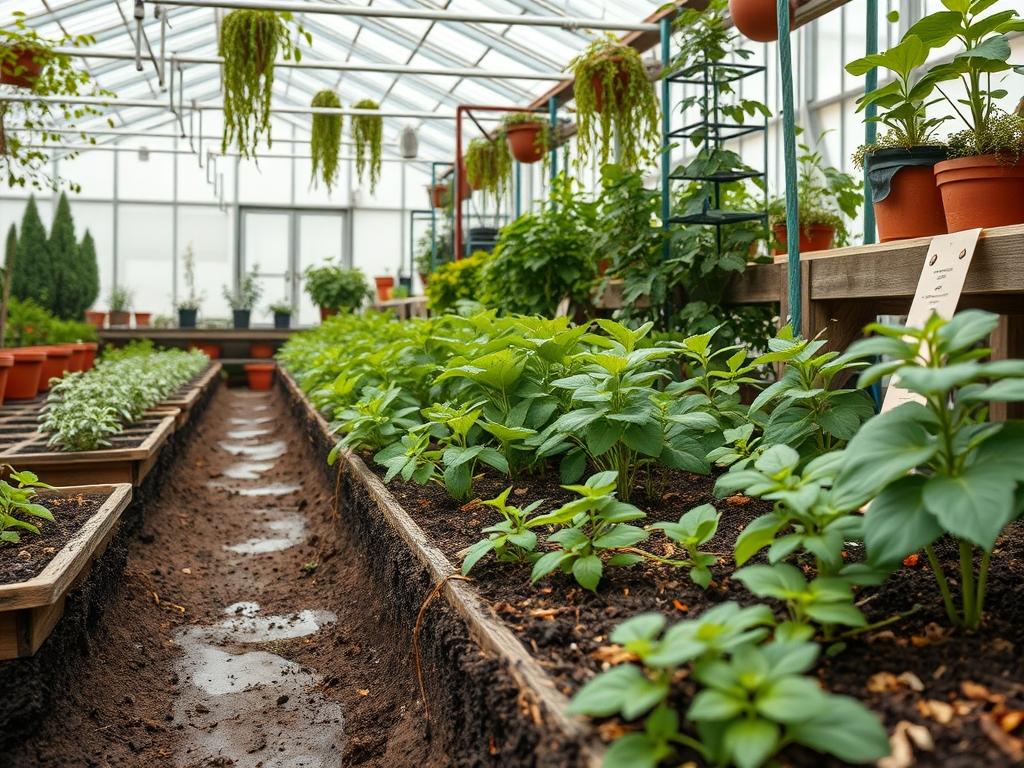
Effective landscape management requires a delicate balance between aesthetic appeal and ecological stability. For many property owners, the primary challenge involves maintaining foliage integrity against the persistent threat of gastropods; specifically, slugs and snails. These pests can decimate a high-value ornamental garden overnight, stripping hostas to their veins and leaving unsightly slime trails across natural stone walkways. While chemical solutions offer a temporary fix, they frequently disrupt the soil biology and harm non-target species. A more sustainable approach focuses on fostering Ground Beetle Benefits within the site design. As a senior landscape architect, I prioritize creating environments that support these nocturnal predators, as they act as a natural defense system for the “outdoor living” space. By integrating specific elevation changes, varied moisture zones, and appropriate mulch depths, we can design a landscape that manages its own pest populations while enhancing the property’s overall curb appeal and functionality.
Landscape Design Principles
Successful garden planning begins with the understanding that a landscape is a three-dimensional living system. Symmetry and focal points are essential for visual interest, but they must also serve the needs of beneficial insects like the ground beetle, or Carabidae. To maximize Ground Beetle Benefits, designers should incorporate elevation layers. This involves creating “beetle banks,” which are slightly raised ridges or retaining walls planted with native grasses. These raised areas provide necessary drainage and prevent the beetles from drowning during heavy rain events, while also offering a warm microclimate for overwintering.
Visual balance is achieved by mixing hardscaping with softscaping. For instance, a flagstone path set in a bed of creeping thyme creates a corridor for beetles to move between hunting grounds without being exposed to avian predators. Focal points such as a large basalt column or a weathered oak bench can be surrounded by dense groundcovers, providing the dark, damp refuge that beetles require during the day. Irrigation planning is also critical; drip systems are preferred over overhead spray. Consistent moisture in the soil subsurface, rather than on the leaf surface, keeps the beetles active while discouraging the very fungal diseases that attract slugs in the first place.
Plant and Material Selection
Selecting the right materials is the cornerstone of a self-sustaining ecosystem. The goal is to provide a variety of textures and heights to create a “layered” habitat.
| Plant Type | Sun Exposure | Soil Needs | Water Demand | Growth Speed | Maintenance Level |
| :— | :— | :— | :— | :— | :— |
| Pachysandra terminalis | Full Shade | Acidic/Loamy | Moderate | Medium | Low |
| Carex pensylvanica | Part Shade | Well-Drained | Low | Medium | Low |
| Polystichum munitum | Full Shade | Humus-rich | Moderate | Slow | Low |
| Festuca glauca | Full Sun | Sandy/Lean | Low | Fast | Low |
| Asarum canadense | Full Shade | Moist/Organic | High | Slow | Medium |
| Heuchera villosa | Part Sun | Well-Drained | Moderate | Medium | Low |
In addition to plant life, the choice of hardscape materials significantly impacts the resident beetle population. Use porous pavers and river rock of 2 inch to 4 inch diameter to create voids where beetles can hide. Avoid excessive use of fine sand, which can clog the porous structures these insects use for burrowing.
Implementation Strategy
The implementation of a beetle-friendly landscape requires precise site preparation. Begin with a topographical assessment to determine drainage patterns. Proper grading ensures that water moves away from building foundations and toward designated rain gardens or collection swales. During the excavation phase, avoid over-pulverizing the soil. Maintaining some soil structure is vital for the subterranean life cycles of many ground beetle species.
When laying out the garden, establish clear edging between turf areas and ornamental beds. Use steel edging or poured concrete curbs to create a clean line that also acts as a barrier for invasive weed roots. Within the beds, apply a layer of hardwood mulch or pine bark to a depth of exactly 3 inches. This thickness is the industry standard for moisture retention and weed suppression; however, it also serves as the primary hunting ground for beetles. As the mulch breaks down, it creates a detritus layer that supports the soft-bodied larvae of the ground beetle.
Hardscaping should be installed before any significant planting occurs. When building retaining walls, leave a few small gaps or “weep holes” in the lower courses. These gaps provide entry points for beetles to access the cooler soil behind the wall. Finally, install your irrigation lines, ensuring that emitters are placed near the base of the plants to keep the root zones hydrated without creating overly muddy surface conditions that might impede beetle movement.
Common Landscaping Failures
One of the most frequent mistakes in professional landscaping is the over-reliance on uniform, high-maintenance turf grass. This creates a “biological desert” where ground beetles cannot survive due to the lack of cover and frequent mowing. Another common failure is improper drainage planning. When a site remains saturated, the soil becomes anaerobic, killing the beneficial larvae and forcing adult beetles to relocate. This leaves the garden defenseless when the slug population inevitably surges during the rainy season.
Root overcrowding is another issue that arises from poor spacing planning. When plants are placed too close together, they compete for nutrients and airflow, leading to stress. Stressed plants emit chemical signals that attract pests, often overwhelming the natural predator-prey balance. Furthermore, soil compaction from heavy machinery during the construction phase can take years to remediate. Compacted soil prevents beetles from burrowing during the day, making them vulnerable to desiccation and predation. Always ensure that a subsoiler or aerator is used to loosen the ground before final planting.
Seasonal Maintenance
To sustain Ground Beetle Benefits year-round, maintenance schedules must be adjusted to respect their life cycles.
In the Spring, avoid the urge to perform a “deep clean” of the garden beds. Removing every fallen leaf and bit of debris can destroy the emerging beetle population. Instead, lightly top-dress the existing mulch and prune back any winter-damaged foliage from shrubs like Buxus microphylla.
During the Summer, monitor your irrigation system for leaks or clogged emitters. Ground beetles are most active during the warm months, and they require consistent moisture to remain effective hunters. If the soil becomes bone-dry, they will enter a state of dormancy or migrate to a neighbor’s yard.
Autumn is the most important season for long-term control. Instead of bagging all fallen leaves, use a mulching mower to shred them and return them to the beds. This organic matter provides the insulation necessary for beetles to survive the frost. Leave some stalks of perennial grasses standing to provide vertical structure.
Winter maintenance should be minimal. Avoid any major earth-moving or trenching activities that would disturb the dormant insects. This is a good time to service your landscaping tools, sharpening shears and spades in preparation for the spring growth.
Professional Landscaping FAQ
How do ground beetles help with snail control?
Ground beetles are voracious generalist predators. The larger species specifically target slugs and snails, using their powerful mandibles to pierce shells or skin. They can consume nearly their own body weight in pests every single night, significantly reducing gastropod populations naturally.
Will ground beetles damage my ornamental plants?
No; the vast majority of ground beetle species are strictly carnivorous or granivorous, focusing on other insects or weed seeds. They do not feed on healthy foliage or flowers, making them an ideal, non-destructive partner for maintaining high-end landscape aesthetics.
What is the best mulch for attracting beneficial beetles?
Coarse hardwood mulch or leaf mold is superior to decorative gravel or dyed wood chips. These organic materials provide better thermal insulation, maintain consistent humidity levels, and support the microorganisms that form the base of the beetle’s food web.
Can I use pesticides and still have ground beetles?
Broad-spectrum insecticides are highly toxic to ground beetles. If pest control is necessary, use targeted applications or organic baits like iron phosphate for slugs. Avoiding synthetic chemicals preserves the resident beetle population and ensures long-term biological control of pests.
How many beetles do I need for a standard garden?
A healthy, established landscape will naturally support a balanced population based on available food and cover. Rather than purchasing beetles, focus on habitat creation through native plantings and proper mulch layers to entice local species to colonize your site permanently.