
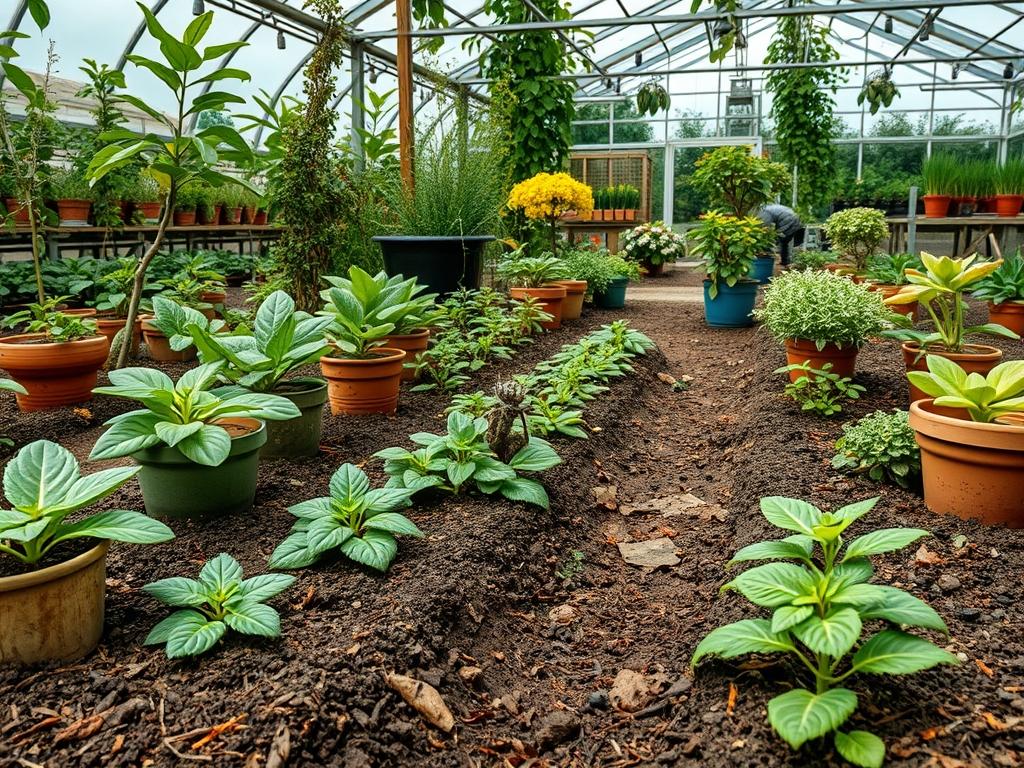
Designing a high-end landscape requires a delicate balance between strict architectural geometry and the fluid unpredictability of a living ecosystem. Many homeowners prioritize curb appeal through manicured lawns and symmetrical shrubbery, yet this often results in a sterile environment that requires heavy chemical intervention. As a landscape architect, my goal is to implement a structural framework that invites biological allies, particularly arachnids, to serve as a natural pest control system. Beneficial Spider Identification starts with recognizing that different species occupy specific niches within your garden layers. A landscape that supports these predators reduces the need for synthetic pesticides, improves the health of your ornamental grasses, and ensures that your outdoor living space remains a functional, self-regulating environment. By understanding the intersection of hardscape placement and softscape biodiversity, you can create a yard that looks professionally polished while functioning as a robust habitat.
Landscape Design Principles
Effective landscape design relies on the core principles of symmetry, focal points, and elevation layers to guide the eye and define the space. However, these principles should also serve the secondary goal of habitat architecture. Symmetrical plantings, such as flanking a flagstone walkway with Boxwoods, provide a sense of order. Beneath this orderly surface, the dense interior of the shrubs offers a stable environment for web-building spiders. When we plan focal points, such as a large Japanese Maple or a bespoke water feature, we are not just creating visual interest; we are establishing anchors for complex web structures.
Elevation layers are perhaps the most critical component of an integrated pest management design. A professional plan incorporates a ground plane, a mid-story, and an overhead canopy. The ground plane, consisting of creeping thyme or clover, supports ground-dwelling hunters like the Wolf Spider. These spiders do not build webs but instead patrol the soil surface to hunt beetles and larvae. The mid-story, filled with perennials and small shrubs, supports the Yellow Garden Spider, known for its distinctive zigzag web patterns. Finally, the overhead canopy of deciduous trees provides the heights necessary for large Orb Weavers. By varying these heights, you create a “vertical forest” effect that maximizes the square footage of your property for both aesthetic impact and biological utility.
Walkways and transition zones should use materials like decomposed granite or natural stone to allow for proper drainage and soil aeration. Irrigation planning must be precise; excessive moisture can lead to fungal issues, while total dehydration drives away the insects that beneficial spiders rely on for food. A balanced moisture profile, maintained through drip irrigation, ensures that the soil remains hospitable for the entire food chain.
Plant and Material Selection
Selecting the right materials and flora is the backbone of a resilient outdoor environment. The following table provides a selection of plants that provide excellent structure for spiders while maintaining high aesthetic standards for a professional landscape.
| Plant Type | Sun Exposure | Soil Needs | Water Demand | Growth Speed | Maintenance Level |
| :— | :— | :— | :— | :— | :— |
| Lavender (Lavandula) | Full Sun | Well-drained/Sandy | Low | Moderate | Low |
| Purple Coneflower (Echinacea) | Full Sun | Loamy/Adaptive | Medium | Fast | Low |
| Boxwood (Buxus) | Partial Shade | Well-drained | Moderate | Slow | Moderate |
| Little Bluestem (Schizachyrium) | Full Sun | Poor/Dry Soil | Low | Moderate | Low |
| Oak Leaf Hydrangea | Shade/Part Sun | Rich/Moist | High | Moderate | Medium |
| Yew (Taxus) | Shade/Full Sun | Adaptive | Moderate | Slow | High |
In addition to plants, the choice of mulch and hardscape materials is vital. Double-shredded hardwood mulch is preferred over colored or rubber varieties because it breaks down into organic matter, supporting the micro-habitats of ground spiders. River rocks or boulders can be used to create heat-capturing zones that attract nocturnal hunters.
Implementation Strategy
The implementation of a professional garden layout begins with site preparation and grading. You must ensure that the land slopes away from permanent structures at a minimum of 2 percent grade to prevent water pooling. Once the grading is established, we map out the “zones of activity.” For a residential backyard, this involves identifying high-traffic seating areas versus quiet, perimeter “wild zones.”
Start by defining your garden beds with a distinctive steel edging or a cobblestone border to create a clean line against the turf. When planting, leave adequate space for the mature width of each species. Overcrowding is a common mistake that limits airflow and prevents spiders from having the space to cast wide webs. During the planting phase, incorporate a 3 inch layer of organic mulch, but keep it a few inches away from the trunks of trees and the stems of shrubs to prevent rot.
For the hardscaping, install interlocking pavers on a bed of compacted gravel and sand. This provides a stable surface for furniture while allowing for minor shifts in the earth. If you are installing a retaining wall, ensure you include weep holes for drainage. These small gaps also serve as perfect nesting sites for small, beneficial crevices-dwelling spiders like the Jumping Spider, which is an incredibly active hunter that consumes flies and moths.
Common Landscaping Failures
One of the most frequent failures in modern landscaping is improper drainage. When water sits on the surface, it compacts the soil and suffocates the roots of your ornamental plants. Compaction also destroys the underground burrows of beneficial arachnids and insects, forcing them to relocate. Another mistake is the overuse of high-nitrogen fertilizers. While these produce a quick flush of green growth, they attract massive populations of aphids, which can overwhelm the natural predator population before it has a chance to establish itself.
Improper spacing is equally detrimental. When plants are jammed together for an immediate “full” look, they create a stagnant, humid environment that promotes powdery mildew. This lack of airflow also disrupts the structural integrity needed for large webs. Furthermore, many homeowners make the mistake of excessive “cleanup” in the autumn. By removing every fallen leaf and cutting back every perennial stalk to the ground, you effectively remove the overwintering sites for beneficial spider egg sacs. Maintaining a totally sanitized garden is often the fastest way to invite a pest infestation in the spring.
Seasonal Maintenance
Maintaining a professional landscape requires a scheduled approach that shifts with the seasons. In the Spring, focus on light pruning and refreshing the mulch. Use bypass pruners to remove dead wood from shrubs, but check for any lingering egg sacs before discarding branches. This is the time to start your irrigation system and check for leaks in the poly tubing.
During the Summer, focus on deadheading flowers like Coneflowers and Zinnias to encourage a second bloom. Ensure that the water demand is met during heat waves, but avoid overhead watering in the evening, as wet foliage can lead to disease. Keep an eye out for Yellow Garden Spiders in your tall grasses; their presence is a sign that your ecosystem is thriving.
In the Autumn, resist the urge to clear everything. Leave some native grasses standing to provide winter interest and habitat. This is the best time to plant new trees and perennial bulbs, as the cooler temperatures and increased rainfall help establish root systems. Apply a fresh layer of mulch to insulate the soil.
Winter maintenance is largely passive. Monitor for heavy snow loads on your evergreens and gently brush them off to prevent branch breakage. Use this dormant season to clean and sharpen your gardening tools, including shovels, shears, and mowers. Planning for the following year happens now, as you observe the “bones” of your landscape without the distraction of foliage.
Professional Landscaping FAQ
How can I tell if a spider is beneficial?
Nearly all garden spiders are beneficial because they consume crop-destroying insects. Look for Yellow Garden Spiders or Orb Weavers in stationary webs. Wolf Spiders are brown, fuzzy, and roam the ground. They are your best defense against beetles.
Will mulch attract harmful pests to my home?
When applied correctly at a 3 inch depth and kept away from the immediate foundation, mulch promotes a healthy predator population. Spiders living in the mulch actually prevent pests like ants or termites from establishing large colonies near your structure.
What is the best way to protect spider egg sacs?
Avoid “lollypopping” your shrubs or clear-cutting your perennials in the late fall. If you find a silk-wrapped sac on a stem, leave that specific stalk standing until spring. This allows the next generation of hunters to hatch and disperse.
Is irrigation harmful to web-building spiders?
High-pressure overhead sprays can destroy webs and displace spiders. Utilizing a drip irrigation system delivers water directly to the root zone. This keeps the foliage dry and the webs intact, maintaining a stable environment for the spiders to hunt.
Can I have a beautiful yard and spiders at the same time?
Absolutely. A professional landscape incorporates “hidden” habitats within structured designs. By using layered plantings and dense evergreens, you provide the necessary shelter for spiders without sacrificing the clean, architectural lines and curb appeal of your outdoor space.