
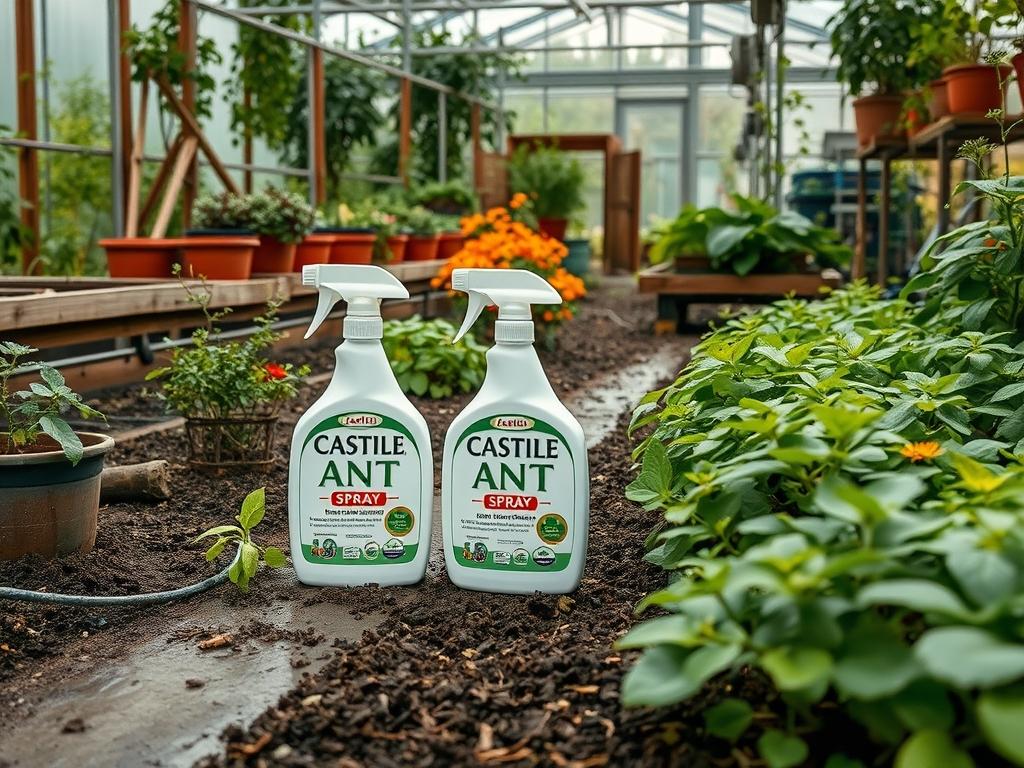
Maintaining a luxury landscape requires a delicate balance between aesthetic perfection and ecological health. When we design outdoor environments, we focus on the harmony of hardscapes and softscapes to elevate curb appeal and property value. However, the most meticulously planned garden can be compromised by the presence of aggressive ant colonies. These insects often protect aphids, which produce honeydew that leads to sooty mold on expensive specimen plants. To protect your investment without introducing harsh toxins into the soil, professional landscapers often turn to Integrated Pest Management solutions. Utilizing Castile Soap Ant Sprays offers a refined approach to pest control. This method preserves the integrity of the local ecosystem while ensuring that your walkways, retaining walls, and floral borders remain pristine. A well managed landscape is not merely a collection of plants; it is a living system that requires gentle intervention to thrive throughout the changing seasons.
By understanding the relationship between soil health and insect activity, we can create environments that are both beautiful and resilient. Ants often thrive in dry, disturbed soils or under the warmth of stone pavers. When they migrate to your primary planting beds, they can undermine the root systems of young shrubs and perennials. A professional grade solution involves mixing one tablespoon of Liquid Castile Soap with one quart of Distilled Water. This mixture acts as a mild surfactant that disrupts the pheromone trails ants use to navigate. For added efficacy, a few drops of Peppermint Essential Oil can be incorporated into the solution. This creates a natural repellent barrier that does not damage the waxy cuticle of the leaves. Applying this spray during the early morning hours ensures that the foliage is protected from the afternoon sun, preventing any potential leaf scorch while maximizing the impact on the ant population.
Landscape Design Principles
Effective landscape architecture is rooted in the principles of symmetry and visual hierarchy. We begin by identifying focal points, such as a large Japanese Maple or a bespoke water feature, and build the environment around these anchors. Symmetry provides a sense of order and formality that defines a high end property. By mirroring plantings along a central walkway or entry, we create a rhythmic experience for the viewer. Elevation layers are equally important. We utilize a “thriller, filler, and spiller” approach at a macro level, using tall canopy trees for shade, mid sized shrubs for privacy, and groundcovers to soften the transition to hardscaped areas.
Irrigation planning must be integrated into the initial design phase to ensure consistent moisture levels across different microclimates in the yard. We often specify Drip Irrigation Systems for precision watering, which reduces the standing water that can attract pests and promotes deep root growth. Walkways should be constructed with a slight grade to prevent pooling. This drainage strategy is vital for maintaining the structural integrity of stone and paver installations. Visual balance is achieved by contrasting textures, such as the fine needles of an Evergreen Shrub against the broad, glossy leaves of a Magnolia. When these elements are balanced, the landscape feels intentional and permanent.
Plant and Material Selection
| Plant Type | Sun Exposure | Soil Needs | Water Demand | Growth Speed | Maintenance Level |
| :— | :— | :— | :— | :— | :— |
| English Lavender | Full Sun | Well-drained, Sandy | Low | Medium | High |
| Dwarf Boxwood | Full to Part Sun | Loamy, Neutral pH | Moderate | Slow | Medium |
| Blue Star Creeper | Full Sun to Part Shade | Moist, Well-drained | Moderate | Fast | Low |
| Oakleaf Hydrangea | Part Shade | Rich, Organic | High | Medium | Medium |
| Silver Mound Artemisia | Full Sun | Poor to Average | Low | Medium | Low |
| Japanese Forest Grass | Full Shade | Constantly Moist | High | Slow | Medium |
Implementation Strategy
The transition from a design concept to a functional backyard requires a rigorous implementation strategy. It begins with site grading. A professional grade is typically established at a minimum of 2 percent away from any residential structures to prevent basement flooding and soil erosion. Once the topography is set, we use Steel Edging or Cast Stone Barriers to define the boundaries between lawns and planting beds. This prevents invasive grass species from encroaching on your ornamental displays and provides a clean, crisp line for the eye to follow.
The next phase involves soil ammendments and drainage infrastructure. We often install French Drains or dry creek beds in areas prone to runoff. When planting, we ensure that the root ball of each specimen is positioned slightly above the surrounding grade to avoid crown rot. A three inch layer of Premium Hardwood Mulch is then applied across the beds. This helps retain moisture, suppress weeds, and regulate soil temperature. During this installation phase, we recommend a proactive application of Castile Soap Ant Sprays along the perimeter of the project. This prevents ants from establishing new colonies in the freshly disturbed soil of your high value garden beds.
Common Landscaping Failures
One of the most frequent errors in residential landscaping is improper drainage. When water is allowed to stagnate near the root zones of trees, it creates an anaerobic environment that leads to root rot and attracts fungal gnats and ants. Another common failure is root overcrowding. Many homeowners plant for immediate impact, failing to account for the mature spread of the species. Within five years, the plants begin to compete for nutrients and light, leading to stunted growth and increased susceptibility to disease.
Improper spacing and soil compaction also plague many landscapes. High foot traffic on non-paved areas compresses the soil, destroying the pore spaces required for oxygen to reach the roots. This is particularly problematic around large, sensitive trees. Finally, irrigation inefficiencies often result in either parched plants or excessive runoff. Using Automatic Irrigation Controllers with rain sensors is a requirement for any modern professional landscape. By avoiding these pitfalls and opting for gentle maintenance tools like Castile Soap, property owners can enjoy a lush, thriving environment that requires minimal corrective action over time.
Seasonal Maintenance
Seasonal management is the key to longevity in any outdoor environment. In the spring, the focus is on rejuvenation. This includes pruning dead wood from deciduous shrubs, applying a balanced Slow Release Fertilizer, and refreshing the mulch layers. As the weather warms and ants become more active, regular inspections of the underside of leaves for aphids and other pests are essential. This is the optimal time for the first seasonal application of a mild Castile Soap solution to keep the insect population in check before it can reach a nuisance level.
Summer maintenance shifts toward hydration and heat management. Deadheading flowers will encourage a second flush of blooms, while deep watering during the early morning hours protects the root systems from thermal stress. In autumn, we focus on leaf removal and preparing the landscape for dormancy. This is an ideal time for core aeration of the lawn to combat compaction. Winter represents a period of structural maintenance. We protect sensitive evergreen foliage from desiccation by using Anti-Desiccant Sprays and check the integrity of retaining walls and walkways for any shifting caused by freeze-thaw cycles.
Professional Landscaping FAQ
Is Castile soap safe for all ornamental plants?
While Castile Soap is gentle, it should be tested on a small leaf before full application. Avoid using it on plants with fuzzy leaves or a waxy, glaucous coating, as the surfactant can sometimes disrupt their natural protective barriers.
How often should I apply ant sprays to my garden?
Applications should occur every seven to ten days during peak insect activity. If heavy rain occurs, the spray should be reapplied once the foliage has dried. Consistent monitoring will dictate the specific frequency needed for your particular microclimate.
Will Castile soap affect the pH of my soil?
Because the soap is highly diluted, it has a negligible effect on soil pH when used as a topical spray. Professional landscape architects prefer this method over granular toxins because it breaks down quickly without leaving persistent chemical residues.
Can I use dish soap instead of Castile soap?
Liquid dish soaps are often detergents containing synthetic degreasers that can strip the protective oils from plant leaves. Pure Castile Soap is made from vegetable oils, making it a much safer choice for sensitive horticultural specimens.
What is the best time of day to treat my landscape?
Apply sprays during the early morning or late evening when temperatures are cooler. This prevents the solution from drying too rapidly and reduces the risk of leaf burn caused by the magnification of intensive sunlight through the liquid droplets.