
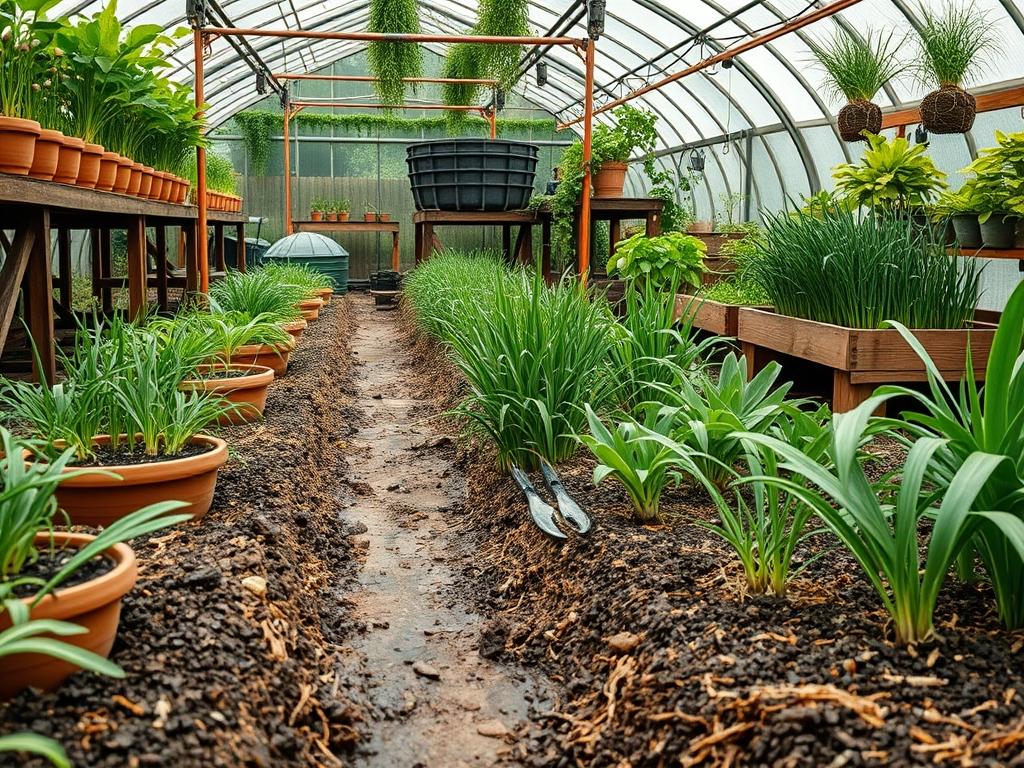
The integration of edible flora into a professional landscape design requires a sophisticated balance between aesthetic value and biological resilience. While many homeowners prioritize the visual impact of lush, green rows and structured garden beds, the hidden threat of soil borne pests can quickly dismantle a high performance outdoor environment. Onion maggot management is a critical consideration for any architect or consultant looking to design a sustainable kitchen garden. These larvae, the offspring of the small gray fly known as Delia antiqua, target the root systems of alliums, leading to stunted growth, decay, and significant loss of curb appeal. From a landscaping perspective, a dying vegetable patch creates a visual void that disrupts the harmony of the backyard. To safeguard these investments, it is essential to consider the climate, specifically the cool and moist conditions of spring that favor maggot development. A well planned landscape must address these environmental factors through proper drainage, elevation, and site selection to ensure that the outdoor living space remains both functional and beautiful throughout the growing season.
Landscape Design Principles
Successful onion maggot management begins with the architectural layout of the garden. Symmetry and focal points are not just for ornamental shrubs; they are functional tools in pest mitigation. By utilizing a grid or parterre design, a landscape architect can implement crop rotation more effectively. Changing the location of Allium cepa (onions) and Allium sativum (garlic) every year prevents the buildup of localized pest populations. This spatial strategy relies on the principle of elevation layers. Utilizing raised beds constructed from cedar or stone provides superior drainage compared to in ground planting. Since onion maggots thrive in excessively damp soil, elevating the root zone by 12 inches to 18 inches ensures that the soil avoids the saturation that attracts egg laying flies.
Visual balance is further achieved through intercropping. Rather than a monoculture of onions, which provides a massive target for pests, designers should intersperse alliums with companion plants like carrots or marigolds. This breaks up the visual and olfactory footprint of the crop, confusing the adult flies. Furthermore, irrigation planning must be precise. The use of subterranean soaker hoses or drip irrigation systems is preferred over overhead spraying. Keeping the top 1 inch of soil relatively dry discourages the female fly from depositing eggs near the base of the plants, while the target roots receive necessary hydration through the deeper architectural layers of the soil.
Plant and Material Selection
| Plant Type | Sun Exposure | Soil Needs | Water Demand | Growth Speed | Maintenance Level |
| :— | :— | :— | :— | :— | :— |
| Yellow Onion | Full Sun | Loamy, pH 6.0 | Medium | Slow | High |
| Garlic | Full Sun | Rich, Well-Drained | Low | Moderate | Medium |
| Leeks | Full Sun | Deep, Sandy Loam | High | Slow | Medium |
| Marigolds | Full Sun | Flexible | Moderate | Fast | Low |
| Carrots | Full Sun/Part Sun | Loose, Stone-Free | Medium | Moderate | Low |
| Chives | Full Sun/Part Sun | Organic-Rich | Medium | Moderate | Low |
Implementation Strategy
Implementing a pest resistant garden layout requires a phased approach that starts with site preparation. The first step involves grading the area to ensure that runoff moves away from the planting beds. Any low spots or areas of standing water will become breeding grounds for various larvae, not just the onion maggot. Once the site is leveled, installers should define the garden boundaries using steel edging or paver stones to create a clean, professional finish that prevents grass encroachment.
Soil preparation is the next crucial phase. Incorporate at least 3 inches of well rotted compost into the top 8 inches of the soil profile to improve structure and promote beneficial microbial activity. For onion maggot management, the physical barrier method is the gold standard during the planting phase. Install floating row covers immediately after sowing seeds or transplanting sets. These lightweight, spun bonded polyester fabrics should be anchored with landscape staples every 2 feet. This barrier prevents the adult flies from ever reaching the soil to lay their eggs. If the design includes a more permanent aesthetic, fine mesh netting can be integrated into custom timber frames that serve as both a structural focal point and a functional pest deterrent. Finally, applying a thin layer of sand or diatomaceous earth around the base of the plants can create a hostile environment for any larvae that do emerge.
Common Landscaping Failures
One of the most frequent mistakes in residential landscaping is improper drainage planning. When water pools around the bulb of an onion, the tissue softens and begins to emit odors that are highly attractive to the Delia antiqua fly. Without a proper French drain or adequate slope, even the best plant selections will succumb to root rot and pest infestation. Another common failure is root overcrowding. Novice gardeners often pack plants too closely to achieve an immediate lush look, but this limits airflow and creates a humid microclimate at the soil surface. This humidity is a catalyst for fungal infections and maggot survival.
Soil compaction is another silent killer of high quality landscapes. In areas with high foot traffic, the soil structure collapses, preventing water from infiltrating and gases from exchanging. This stress weakens the plant’s natural defenses, making it an easy target for maggots. Furthermore, the misuse of mulch can lead to unintended consequences. While a 2 inch layer of wood chips is excellent for ornamental trees, placing thick, organic mulch directly against the stems of onions can trap too much moisture and provide cover for pests. In edible zones, a lighter, inorganic mulch or a carefully timed application of clean straw is often a better choice for maintaining soil health without inviting disaster.
Seasonal Maintenance
Landscape management is a year round commitment that evolves with the seasons. In the Spring, the focus is on prevention and monitoring. As soon as the soil temperatures reach 50 degrees Fahrenheit, the first generation of onion maggot flies emerges. This is the time to deploy yellow sticky traps to monitor pest levels and ensure that all row covers are securely fastened. Irrigation systems should be tested and calibrated to avoid overwatering during the typically rainy spring months.
During the Summer, maintenance shifts to sanitation and health. Any plants showing signs of yellowing or wilting should be inspected immediately. If maggots are found, the entire plant and the surrounding 2 inches of soil must be removed and disposed of away from the compost pile. Thinning the crop ensures that air continues to circulate as the bulbs expand. In the Autumn, a thorough cleanup is mandatory to prevent the pests from overwintering. All crop residue must be cleared from the beds. This is an ideal time for deep tilling to a depth of 6 inches, which exposes pupae to the elements and to predatory birds.
In the Winter, the landscape consultant should focus on soil amendments and structural repairs. Testing the soil pH and adding lime or sulfur as needed ensures the site is ready for the following year. If the garden has suffered a significant infestation, the winter months are perfect for redesigning the layout to include more aggressive crop rotation or the installation of new retaining walls to further improve site drainage for the coming spring.
Professional Landscaping FAQ
How can I identify an onion maggot infestation early?
Look for sudden wilting or yellowing of the inner leaves. If you pull up a suspect plant, you will see small, white, legless larvae burrowing into the bulb or the lower stem area near the roots.
Will decorative gravel help prevent maggots in my garden?
A thin layer of fine gravel or sand can discourage flies from laying eggs by drying out the soil surface quickly. However, it must be used cautiously to avoid affecting the soil temperature or pH levels.
Does irrigation timing affect pest populations?
Yes, watering in the early morning allows the soil surface to dry during the day. Keeping the top layer of soil dry in the evening reduces the hospitable environment that female flies seek for egg deposition.
Are there specific onion varieties that resist maggots?
While no variety is completely immune, stronger flavored or more pungent onions sometimes experience fewer attacks. However, the best defense is always physical barriers like row covers and proper landscape drainage rather than cultivar selection alone.
Can I use professional grade pesticides in a residential edible landscape?
It is generally discouraged for home gardens. Most landscape consultants recommend Integrated Pest Management (IPM), which prioritizes physical barriers, crop rotation, and soil sanitation over chemical applications to ensure the safety and health of the outdoor environment.