
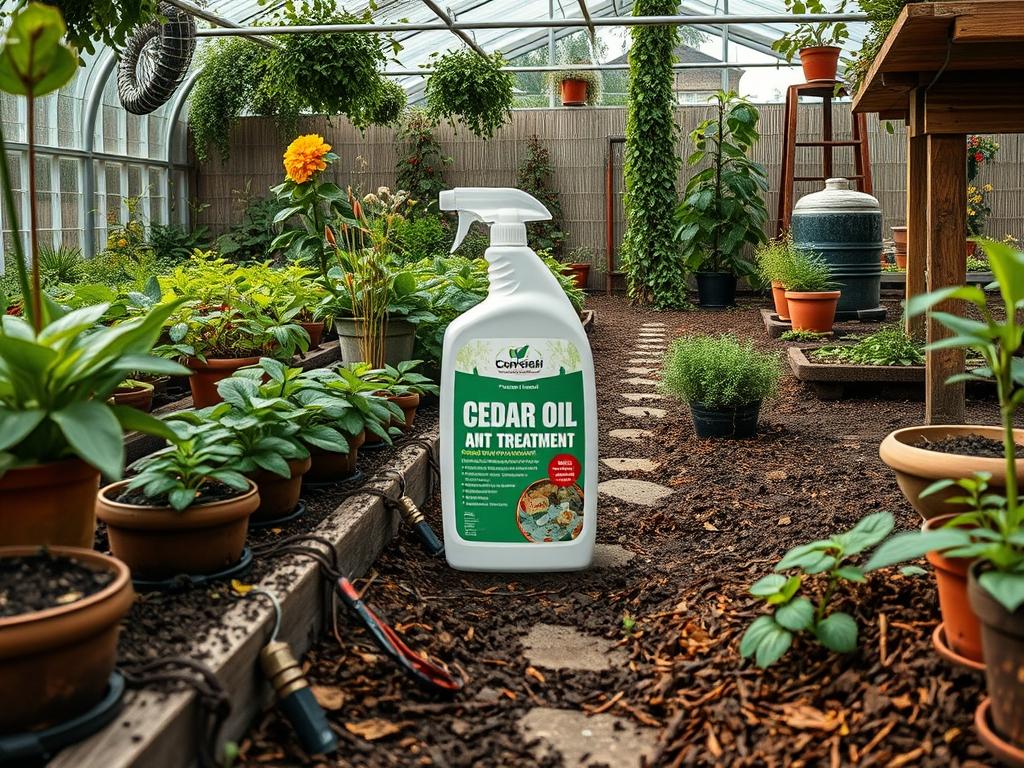
Maintaining a pristine landscape requires a delicate balance between aesthetic elegance and structural integrity. For many property owners, the visual appeal of a lush green lawn or a manicured garden is often threatened by hidden pressures; specifically, the encroachment of invasive insect colonies. When we design outdoor environments, we must consider the perimeter not just as a boundary for privacy, but as a defensive line against pests that can compromise the health of your turf, hardscaping, and even the structural foundation of the home. Integrating a Cedar Oil Ant Treatment into your professional maintenance schedule offers a non-toxic, highly effective method for establishing this perimeter defense. Cedar oil functions as a pheromone disruptor, forcing ants to abandon their trails and preventing new scouts from identifying your property as a viable nesting site. As we explore the complexities of landscape architecture, we will examine how this botanical solution fits within the broader context of garden planning and environmental stewardship.
Landscape Design Principles
A successful landscape begins with a master plan that prioritizes symmetry and focal points to guide the eye across the property. When we establish the layout, we consider the transition from the built environment to the natural one. This often involves creating a foundation planting zone that serves as the primary area for perimeter defense. Visual balance is achieved by layering plants of varying heights, typically placing taller Evergreens toward the back and shorter Perennials in the foreground. However, from a diagnostic standpoint, we must ensure these layers do not create excess moisture traps near the house.
Elevation and grading are the silent engines of a healthy garden. If the property does not slope away from the structure at a minimum of two percent, water will pool, creating the high-moisture conditions that attract ants and other wood-destroying organisms. Strategically placed retaining walls can manage these elevation changes while providing clear demarcations for the application of Cedar Oil Ant Treatment. Walkways should be constructed from porous materials or feature adequate drainage channels to ensure that runoff is directed toward French drains or bioswales, keeping the immediate perimeter dry and less hospitable to infestations.
Plant and Material Selection
| Plant Type | Sun Exposure | Soil Needs | Water Demand | Growth Speed | Maintenance Level |
| :— | :— | :— | :— | :— | :— |
| English Lavender | Full Sun | Well-Drained | Low | Moderate | Medium |
| Rosemary | Full Sun | Sandy/Loamy | Low | Moderate | Low |
| Emerald Green Arborvitae | Full to Partial | Moist/Rich | Moderate | Slow | Low |
| Creeping Thyme | Full Sun | Poor to Average| Low | Fast | Low |
| Japanese Boxwood | Partial Shade | Loamy/Well-Drained | Moderate | Slow | High |
| White Cedar | Full to Partial | Moist/Silty | Moderate | Moderate | Low |
Implementation Strategy
The actual execution of a garden layout requires precision, beginning with the grading of the site to ensure optimal moisture management. Once the land is shaped, we install the edging to separate lawn areas from planting beds. This physical barrier is more than a visual tool; it helps contain the shredded cedar mulch that acts as a natural deterrent. Before the final layer of mulch is applied, we recommend a heavy-on-contact application of Cedar Oil Ant Treatment directly onto the bare soil and the first few inches of the foundation wall. Use a backpack sprayer with a fan nozzle to ensure even coverage across the entire horizontal and vertical interface.
After the initial application, designers should plan the placement of hardscaping elements such as flagstone paths or paver patios. These structures should be installed on a compacted crushed stone base rather than high-organic soil to minimize ant nesting opportunities. When planting, leave at least twelve inches of space between the mature width of a plant and the exterior wall of the home. This provides a “service gap” that allows for air circulation and easy re-application of perimeter treatments throughout the year.
Common Landscaping Failures
The most frequent mistake in residential landscaping is improper mulch management. While mulch is essential for moisture retention and weed suppression, piling it too high against a building creates a “mulch volcano.” This allows ants to bypass the Cedar Oil Ant Treatment zone and find entry points through siding or vents. Furthermore, over-irrigation is a primary driver of pest problems. When drip emitters or rotary nozzles are misdirected, they saturate the soil near the foundation, diluting any protective treatments and creating a humid microclimate that favors colony expansion.
Root overcrowding is another significant issue that designers often overlook. When fast-growing shrubs are planted too close together, their root systems compete for nutrients and water, leading to stressed plants that are more susceptible to aphid infestations. Ants often “farm” these aphids for honeydew, drawing the colony deeper into your ornamental beds. Finally, soil compaction caused by heavy foot traffic or improper construction techniques prevents the Cedar Oil Ant Treatment from penetrating the substrate. Using an aerator or a broadfork to loosen the soil before treatment is vital for ensuring the active ingredients reach the nesting galleries.
Seasonal Maintenance
Spring is the most critical window for landscape intervention. As the ground thaws, ant queens begin new colonies and workers forage aggressively. This is the time to perform a “deep soak” application of Cedar Oil Ant Treatment around the entire building footprint and along the edges of all retaining walls. Inspect your irrigation system for leaks and adjust timer clocks to reflect the increasing temperatures. Pruning should focus on removing any branches that touch the structure, as these serve as “ant bridges” that bypass ground-level defenses.
During the summer, the focus shifts to monitoring and spot-treating high-traffic areas. The heat can cause some essential oils to volatilize more quickly; therefore, a secondary light application of Cedar Oil Ant Treatment may be necessary during July or August. In autumn, clear away fallen leaves and organic debris that collect in the corners of your garden beds. This debris holds moisture and provides winter harborage for pests. Finally, winter maintenance involves checking for structural gaps and ensuring that downspouts are clear, so that melting snow does not saturate the foundation zones where your perimeter defense is most needed.
Professional Landscaping FAQ
How often should I apply Cedar Oil Ant Treatment?
For maximum efficacy, a professional landscape architect recommends a primary application in the early spring, followed by a maintenance spray every sixty to ninety days. High-rainfall environments may require more frequent applications to maintain the protective pheromone barrier.
Will cedar oil damage my ornamental plants or turf?
When diluted properly, most professional-grade cedar oil formulas are safe for Fescue, Bermuda, and common ornamentals. Always test a small area first. Avoid spraying directly onto delicate flower petals under intense, direct midday sunlight to prevent temporary scorching.
What is the best way to handle heavy clay soil?
Clay soil retains water and resists penetration. Before applying any perimeter treatment, use a mechanical aerator to create openings in the soil. Amending the top few inches with gypsum or organic compost will also improve drainage and treatment absorption.
Does cedar oil affect beneficial insects like bees?
Cedar oil is generally a contact repellent for ants but has low toxicity once dried. To protect pollinators, apply the treatment in the late evening when bees are less active and avoid spraying the blossoms of Lavender or Rosemary directly.
Can I use cedar mulch instead of the liquid oil treatment?
While cedar mulch provides some natural repellency, it is not a substitute for a concentrated oil treatment. The mulch acts as a secondary deterrent, while the liquid treatment penetrates the soil to disrupt established colonies and deep nesting sites.