
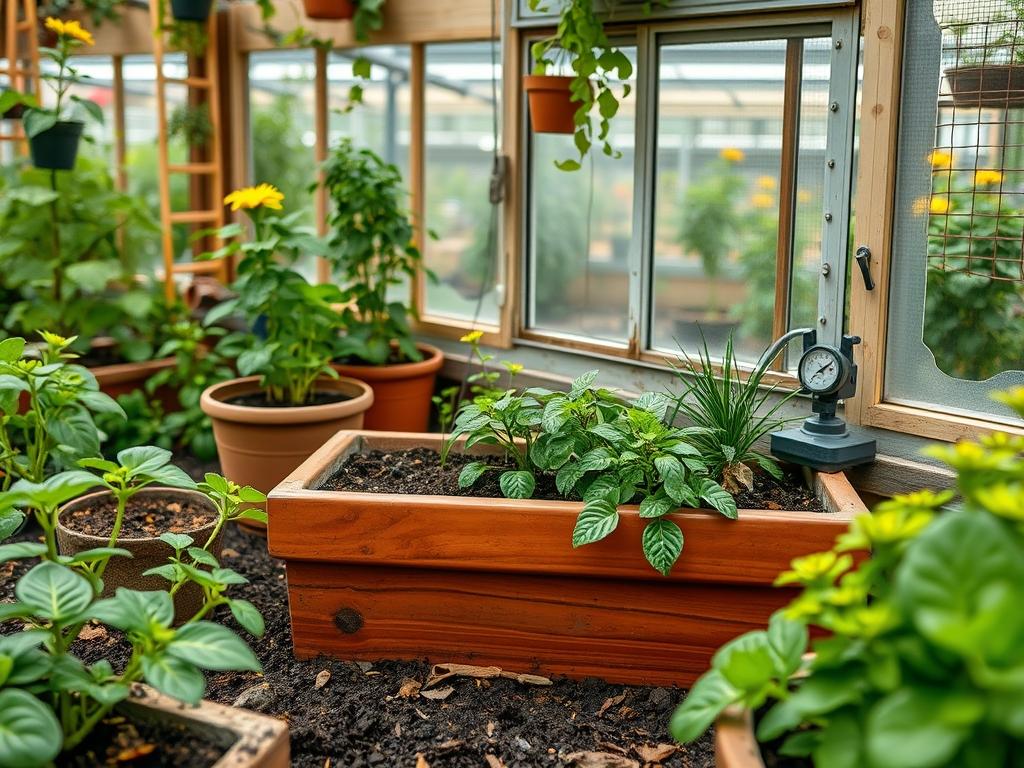
Window boxes are an essential component of high-end residential landscape design, acting as the structural jewelry of a home facade. They provide a vertical dimension to the garden, softening the hard lines of the architecture while significantly increasing the visual value of the property. However, these containers often become a hidden focal point for pests, specifically when colonized by insects. Dealing with ants in window boxes requires a multi-layered strategy that goes far beyond a simple insecticidal spray. It involves understanding the micro-ecosystem within the container and how it relates to the broader landscape. A well-placed window box should improve curb appeal without creating an accidental bridge for pests to enter the interior of the house. By treating these boxes as small-scale architectural projects, we can implement drainage and material choices that make the environment inhospitable to unwanted visitors while allowing vibrant flora to thrive.
The landscaping challenge here is one of proximity. Because these containers are physically attached to the residence, they serve as a high-elevation launching point for colonies looking for moisture or food. In many climates, the heat radiating from the house walls combined with the dampness of the Potting Soil creates a perfect incubator for eggs. From an outdoor functionality perspective, the goal is to create a barrier between the soil and the structure. This is a common requirement in professional landscape consulting; we must balance aesthetic goals with the structural integrity of the home. Ants do not merely occupy the soil, as they often cultivate aphids on your Petunias or Begonias, leading to a sticky residue called honeydew that can stain siding and attract even more insects.
Landscape Design Principles
In professional garden planning, symmetry and focal points are the foundation of a successful installation. Window boxes should be scaled to the width of the window frame, typically extending 1 inch to 2 inches beyond the trim on either side to ensure visual balance. When addressing the issue of ants, the principle of elevation and spacing becomes vital. We recommend a design technique known as the air gap. This involves mounting the box using Stainless Steel Spacers or specialized Offset Brackets. By leaving a 0.5 inch gap between the back of the box and the siding of the house, you eliminate the dark, damp corridor where ants prefer to travel. This gap allows for airflow, which prevents wood rot and makes the path to the flowers much more exposed and less attractive to foraging scouts.
Integration with the broader landscape is equally important. The area directly beneath the window box, known as the splash zone, should be graded properly to lead water away from the foundation. Using River Rock or Crushed Granite in this area instead of organic Hardwood Mulch can reduce the overall ant population near the base of the house. Visual layers also play a role; if you have a Retaining Wall or a raised bed directly below the window, you must ensure that there are no overlapping branches. In the world of landscape architecture, we refer to this as maintaining a clean vertical plane. When a Japanese Maple or a tall Ornamental Grass touches the bottom of a window box, it creates a green highway for ants to bypass any ground-level treatments you have applied.
Plant and Material Selection
Selecting the right biological and physical components is the next step in creating a pest-resistant environment. Certain plants possess natural deterrent properties due to their essential oils, while others are unfortunately prime targets for the pests that ants protect.
| Plant Type | Sun Exposure | Soil Needs | Water Demand | Growth Speed | Maintenance Level |
| :— | :— | :— | :— | :— | :— |
| Marigolds | Full Sun | Well-Drained | Moderate | Fast | Low |
| Lavender | Full Sun | Sandy/Lean | Low | Moderate | Medium |
| Rosemary | Full Sun | Gritty | Low | Moderate | Low |
| Creeping Zinnia | Full Sun | Rich/Loamy | Moderate | Fast | Low |
| Mint | Full/Part Sun | Moist | High | Aggressive | Medium |
| Lantana | Full Sun | Versatile | Low | Fast | Low |
Using Lavender and Rosemary provides a sensory deterrent that many insects find overwhelming. These plants thrive in the hot, dry conditions often found in window boxes. Additionally, the physical materials used for the container itself matter significantly. Cedar and Redwood are naturally rot-resistant and contain tannins that repel some insects. If you prefer a more modern look, Fiberglass or Composite PVC boxes are excellent choices because they do not have the microscopic crevices found in old wood where ants might tuck their larvae.
Implementation Strategy
The process begins with the structural preparation of the site. Start by installing a Heavy-Duty Liner if you are using a wooden box. This liner should be perforated for drainage but serves to keep the soil from direct contact with the wood. Before adding soil, apply a thin layer of Diatomaceous Earth or a specialized Ant Barrier Gel to the mounting brackets and the back of the box. This creates a chemical or physical toll booth that ants must cross to reach the plants.
Next, focus on the interior layers. Avoid using standard garden soil, which is too heavy and often contains existing pest larvae. Instead, use a high-quality Soilless Mix consisting of Peat Moss, Perlite, and Vermiculite. These materials provide excellent aeration and do not compact as easily. Fill the bottom 2 inches of the box with Expanding Clay Pebbles rather than traditional gravel to keep the weight down while ensuring maximum drainage. Once the box is filled, install a Micro-Drip Irrigation line. Hand-watering often leads to cycles of extreme drought and saturation, which stresses plants and makes them more susceptible to aphid infestations. A consistent, automated moisture level keeps the plants healthy and less attractive to opportunistic pests.
When planting, ensure the Root Ball of each flower is level with the soil surface. Do not overstuff the container. While a full look is desired for immediate curb appeal, leaving 3 inches of space between the foliage and the house wall is a critical maintenance step. Finally, finish the surface with a thin layer of Inorganic Mulch, such as Small Pea Gravel or Glass Pellets. This prevents ants from nesting in the top layer of the soil and reduces moisture evaporation.
Common Landscaping Failures
The most frequent mistake in window box management is the bridge effect. This occurs when trailing plants, such as English Ivy or Sweet Potato Vine, are allowed to grow long enough to touch the ground or the lower siding of the house. This provides a direct path for ants to enter the box, completely bypassing any treatments applied to the brackets. Regular pruning with a sharp pair of Bypass Pruners is required to keep the foliage contained within the designated architectural space.
Another failure involves poor drainage planning. If the drainage holes are too small or become clogged with silt, the bottom of the box becomes a stagnant pool. Ants are surprisingly attracted to these water sources during dry spells. We often see homeowners use Landscape Fabric to plug holes to prevent soil loss, but this fabric eventually bio-foul and stops the flow of water. It is better to use a Fine Stainless Steel Mesh over the holes, which allows water to escape while preventing even the smallest insects from entering through the bottom of the container. Over-fertilizing with high-nitrogen products can also be a mistake; it produces soft, succulent growth that is irresistible to aphids, which in turn brings in the ants to farm them.
Seasonal Maintenance
A professional landscape requires a rolling schedule of care. In the spring, you should remove the top 4 inches of old soil and replace it with fresh, nutrient-rich media. This is the time to inspect the Mounting Bolts for any signs of loosening or rust. Apply a fresh coating of Silicone Spray or an insect barrier to the back of the box before the first heat wave of the season triggers ant activity.
During the summer, the focus shifts to moisture management and scouting. Check the undersides of leaves for aphids or scale. If you see ants patrolling the stems, it is a guaranteed sign that a secondary pest is present. Use a Hose Nozzle on a gentle setting to physically wash away any pioneers. In the autumn, remove all spent annuals and clear out dead leaves that have fallen behind the box. Debris serves as a winter sanctuary for colonies. For winter prep in colder climates, either empty the boxes entirely or cover them with Burlap to protect the structural material from freeze-thaw cycles that can create cracks, which are perfect nesting spots for next year’s ants.
Professional Landscaping FAQ
How do I stop ants from climbing my window box brackets?
Apply a thin layer of Petroleum Jelly or specialized Sticky Barrier Ribbon around the narrowest part of the bracket. This creates a physical trap that prevents the insects from reaching the soil surface without using harsh liquid chemicals near your windows.
Does cinnamon really work to repel ants in window boxes?
Cinnamon acts as a temporary scent disruptor rather than a permanent solution. While a dusting of Ground Cinnamon may deter scouts for a few days, it loses effectiveness once wet. It is better to use Essential Oils or Diatomaceous Earth for longevity.
Will ants in my flowers eventually move into my house?
Yes, if the window box is flush against the siding, ants will often seek more stable temperatures inside the wall voids. Maintaining an Air Gap and keeping the foliage pruned away from the window screen is essential to prevent interior migration.
What is the best mulch for a pest-free window box?
Use Pumice Stones or Polished River Pebbles. Unlike wood chips or shredded bark, inorganic mulches do not decompose, do not hold excess fungal spores, and do not provide the organic material that ants use to build and reinforce their tunnels.
Should I use boiling water to kill an ant colony in a box?
Avoid boiling water as it will destroy the delicate root systems of your Flowers and can damage the protective finish on Cedar or PVC boxes. Instead, use a targeted Boric Acid Bait placed in a small, concealed station inside the container.