
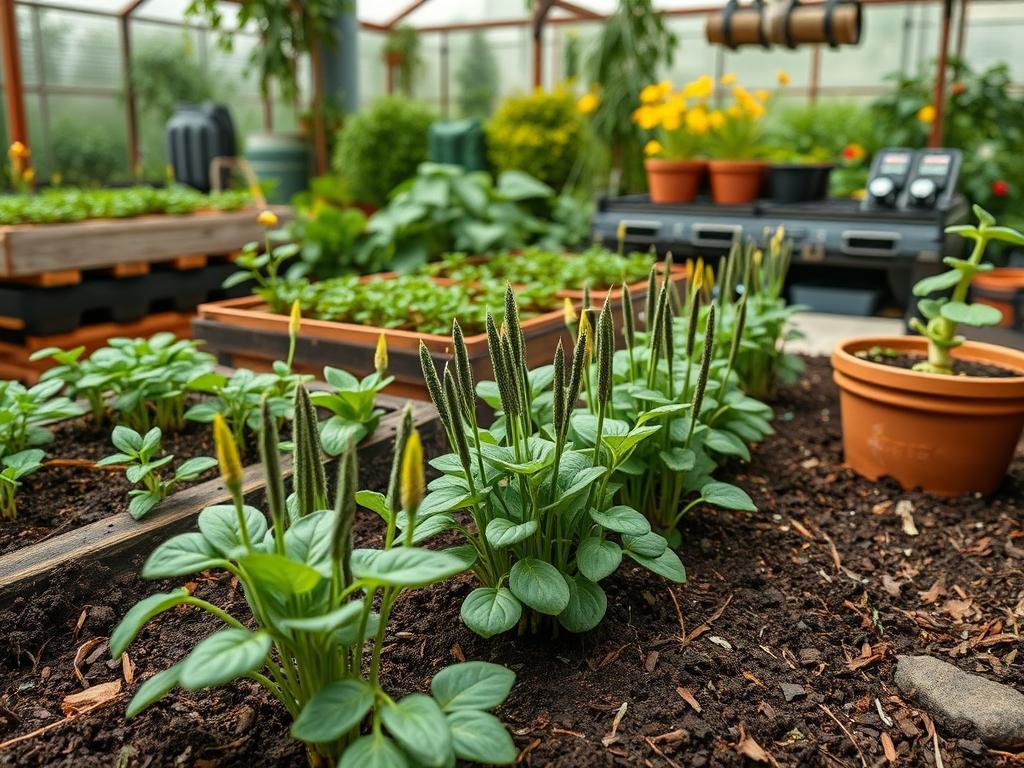
Maintaining a pristine residential or commercial estate requires more than just high quality hardscaping and regular mowing. A truly sophisticated outdoor environment relies on a delicate biological balance that protects the structural integrity of your foliage. When moth larvae like the Cabbage Looper, Tomato Hornworm, or Codling Moth invade, they can strip a carefully curated landscape of its luster in a matter of weeks, destroying the curb appeal you have worked so hard to build. Integrating biological controls into your landscape design is not just an eco friendly choice; it is a professional grade strategy for long term pest management. Using Trichogramma wasps offers a proactive way to stop infestations before they begin. These microscopic specialists do not sting humans or pets. Instead, they seek out the eggs of over 200 species of destructive moths, parasitizing them and preventing the emergence of hungry caterpillars. Effective implementation requires an understanding of your local climate, your garden layout, and the specific needs of these beneficial insects.
Landscape Design Principles
A successful landscape design focuses on the seamless integration of form and function. When planning your outdoor living space, think about symmetry and how focal points draw the eye across different elevation layers. A well designed garden uses a variety of heights to create visual depth, often utilizing Retaining Walls to manage slopes and provide architectural interest. These structural elements are not just for aesthetics; they influence the microclimate of your site. For instance, a stone wall can retain heat, which may affect the activity levels of beneficial insects like the Trichogramma wasp. Visual balance is achieved by mirroring plant groupings across a central axis, such as a walkway or a water feature.
Irrigation planning is another pillar of professional design. You must ensure that your Drip Irrigation systems do not create oversaturated zones that could lead to fungal issues, yet provide enough moisture to keep your ornamental plants thriving. When introducing Trichogramma wasps, placement is key. These insects have a limited flight range, usually around 20 feet to 30 feet. Therefore, your landscape design should include strategic release points near your most vulnerable species, such as English Oak or Fruit Trees. By distributing these release points throughout your elevation layers, from ground cover to the high canopy, you ensure total coverage for your estate.
Plant and Material Selection
Choosing the right materials and flora is essential for both the aesthetic value of the property and the success of your biological pest control. Use the following table to select plants that support a healthy ecosystem while maintaining high curb appeal.
| Plant Type | Sun Exposure | Soil Needs | Water Demand | Growth Speed | Maintenance Level |
| :— | :— | :— | :— | :— | :— |
| Common Yarrow | Full Sun | Well Drained | Low | Fast | Low |
| Dill | Full Sun | Loamy | Moderate | Fast | Moderate |
| Sweet Alyssum | Sun to Part Shade | Rich Soil | Moderate | Medium | Low |
| Fennel | Full Sun | Sandy/Loamy | Moderate | Fast | Medium |
| Lavender | Full Sun | Gritty/Alkaline | Low | Medium | Moderate |
| Zinnia | Full Sun | Well Drained | Moderate | Fast | Low |
To support the Trichogramma wasp, include nectar producing plants like Sweet Alyssum and Dill near your structural evergreens. These provide an immediate food source for the adult wasps, increasing their lifespan and their ability to hunt moth eggs. Additionally, consider your choice of Mulch. Using a high quality Premium Cedar Mulch at a depth of 3 inches helps retain soil moisture and suppresses weeds without interfering with the beneficial insect population. Avoid heavy chemical pre emergents that might disrupt the delicate balance of your garden beds.
Implementation Strategy
The actual rollout of a landscape plan requires precision. Start with professional grading to ensure proper Drainage. Water should flow away from the foundation of the home and toward designated runoff areas or rain gardens. Once the grading is set, install your hardscaping, including Paver Walkways and Stone Stepping Stones. These provide access points for maintenance and wasp release without compacting the soil in your planting beds.
When you are ready to apply your Trichogramma Wasp Tips, timing is the most critical factor. These wasps arrive as parasitized moth eggs glued to small Cardboard Squares. You should hang these cards on branches in the shaded interior of your Shrubs and Trees to protect them from direct sunlight and heavy rain. Deployment should begin in early spring when the first signs of moth activity appear. Monitor your Pheromone Traps to determine the exact moment of moth emergence. For a standard residential lot, releasing 5,000 to 10,000 wasps every week for three consecutive weeks is a standard professional recommendation. Ensure your Irrigation timers are set to run in the early morning so the foliage is dry when the wasps are most active during the day.
Common Landscaping Failures
Many high end landscapes fail because of a lack of attention to site specific challenges. One of the most frequent mistakes is improper drainage. If water pools around the roots of your Boxwood or Azaleas, the resulting root rot will stress the plants and make them more susceptible to moth infestations. Another common error is root overcrowding. When plants are placed too close together, airflow is restricted, creating a humid environment where pests thrive. Always follow professional spacing guidelines, accounting for the mature width of the species.
Soil compaction is another silent killer of beautiful landscapes. Heavy foot traffic or construction equipment can crush the air pockets in the soil, preventing oxygen from reaching the roots. To fix this, use an Aerator and top dress with Organic Compost. Furthermore, many homeowners make the mistake of using broad spectrum insecticides. While these chemicals kill harmful caterpillars, they also wipe out your population of Trichogramma wasps. If you must use a spray, opt for Bacillus thuringiensis (Bt) or Neem Oil, which are more selective and less likely to harm your beneficial insect workers.
Seasonal Maintenance
Maintenance is an ongoing commitment that changes with the seasons. In the spring, focus on cleaning up debris and applying a fresh layer of Bark Mulch. This is the prime time for your first release of Trichogramma wasps. Check your Hand Pruners for sharpness and begin thinning out dense foliage to improve light penetration. During the summer months, monitor your Irrigation System for leaks or clogged emitters. The high heat of July and August can stress your landscape, making a second release of wasps necessary if moth populations spike.
In the autumn, your focus should shift to soil health and preparation for dormancy. Apply a slow release fertilizer to your Perennials and Turfgrass. Professional landscapers often use this time to plant new Deciduous Trees while the soil is still warm. Clear away fallen leaves from the base of your plants to prevent overwintering sites for pest larvae. Winter is the time for structural pruning of your Fruit Trees and Ornamental Maples. Use a Pruning Saw to remove dead or crossing branches. This improves the overall health of the tree and ensures it is ready for a healthy, pest free growing season the following year.
Professional Landscaping FAQ
How often should I release Trichogramma wasps?
For effective moth control, releases should occur every 7 to 14 days during the peak moth egg laying season. Usually, a series of three or four releases in the spring and again in mid summer provides the best protection for your landscape.
Will the wasps fly away to my neighbor’s yard?
While these wasps can fly, they tend to stay near their release point if there is a sufficient supply of moth eggs and nectar from Native Plants. Keeping your garden healthy encourages them to remain on your property and continue their work.
Are these wasps dangerous to my family or pets?
No, Trichogramma wasps are extremely tiny, often smaller than a pinhead. They do not have the ability to sting humans or animals. They are strictly parasitic toward moth eggs, making them a safe choice for high traffic outdoor living areas.
What tools do I need for wasp deployment?
The process is very simple and requires no specialized machinery. You only need a pair of Garden Scissors to cut the release cards and perhaps a Step Ladder to reach the higher branches of your Specimen Trees for even distribution.
Can I use these wasps alongside chemical fertilizers?
Yes, standard granular or liquid fertilizers do not harm the wasps. However, you must avoid synthetic pesticides and certain fungicides. Always check the compatibility of your soil amendments with an Integrated Pest Management specialist to ensure a thriving, balanced environment.