
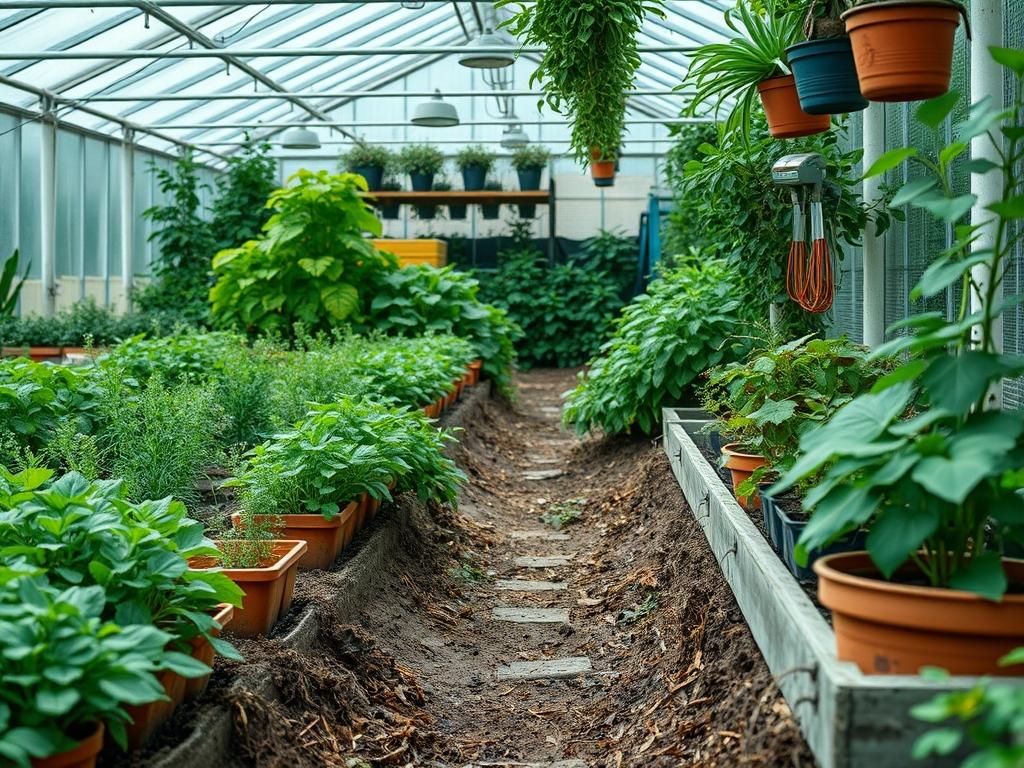
Maintaining a high-end landscape requires a delicate balance between structural integrity and biological health. As a senior landscape architect, I view every project as a living ecosystem where the hardscape provides the skeleton and the softscape provides the soul. One of the most significant challenges in modern outdoor environment design is maintaining plant health without relying on harsh chemical interventions that can degrade soil quality and harm local pollinators. This is where the strategic integration of biological controls, specifically predatory mite releases, becomes a cornerstone of long-term site management. When we design for curb appeal and functionality, we must also design for the microscopic predators that keep pests like spider mites and thrips in check. A successful landscape is not merely one that looks beautiful upon installation; it is one that possesses the ecological resilience to thrive across decades of seasonal shifts and pest pressures.
Integrating biological solutions into a professional landscape plan begins with understanding the microclimates created by your design. A stone retaining wall or a dense grouping of evergreen shrubs creates pockets of humidity and temperature stability. These areas are vital for the survival of beneficial organisms. When we discuss predatory mite releases, we are talking about a proactive management strategy that mimics natural forest or meadow dynamics within a controlled, aesthetic environment. The goal is to establish a self-sustaining cycle where the predatory mites stay resident within the foliage, patrolling the intricate branches of your high-value ornamentals. This approach protects your investment in mature specimens and reduces the long term labor costs associated with traditional pest management.
Landscape Design Principles
Successful landscape architecture relies on the foundational principles of symmetry and focal points to guide the eye and create a sense of order. However, from a biological standpoint, visual balance must be matched by structural diversity. Elevation layers are critical in this regard. By designing with a mixture of groundcovers, mid-story shrubs, and overstory canopy trees, you create a tiered environment that supports a wide range of beneficial insects. This verticality is essential for predatory mite releases, as different species of mites prefer different heights and light intensities. For instance, some mites thrive in the high-humidity environment of lower-tier Hostas, while others are better suited for the sun-drenched leaves of a Sycamore canopy.
Irrigation planning is perhaps the most technical aspect of supporting a biological control program. Predatory mites generally require relative humidity levels above 60 percent to ensure their eggs hatch successfully. Therefore, a well-designed automated drip irrigation system should be supplemented with occasional overhead misting cycles during peak summer heat. This keeps the microclimate conducive to mite activity without wasting water or encouraging root rot. Walkways and hardscaping should also be planned with drainage in mind; water should move away from the foundations of the home but remain accessible to the deep root zones of the planting beds. By managing the movement of water, you manage the climate of the garden, making it a hospitable fortress for your predatory mite populations.
Plant and Material Selection
The following table outlines high-priority plants and materials that are commonly used in professional landscapes to support a healthy ecosystem and facilitate the success of biological controls.
| Plant Type | Sun Exposure | Soil Needs | Water Demand | Growth Speed | Maintenance Level |
| :— | :— | :— | :— | :— | :— |
| Boxwood Hedges | Full Sun to Shade | Well-Drained | Moderate | Slow | High |
| Ornamental Grasses | Full Sun | Sandy/Loam | Low | Fast | Low |
| Japanese Maple | Partial Shade | Rich/Humic | Moderate | Slow | Medium |
| Lavender | Full Sun | Alkaline | Low | Medium | Medium |
| River Birch | Full Sun | Moist/Acidic | High | Fast | Medium |
| Pachysandra | Full Shade | Organic Matter | Moderate | Fast | Low |
| Creeping Thyme | Full Sun | Poor/Gritty | Low | Medium | Low |
Implementation Strategy
The implementation of a professional garden layout begins with site preparation, which is the most labor-intensive phase of the project. Grading is the first priority; the land must be sculpted to ensure that water flows at a 2 percent slope away from all permanent structures. Once the grade is established, we define the beds using heavy-duty steel edging or natural stone borders. After the structural elements are in place, the soil must be amended with high-quality organic matter to a depth of 12 inches. This provides a nutrient-rich base for your plants and a reservoir of moisture that supports the humidity needed for predatory mite releases.
When the plants are in the ground, the application of shredded cedar mulch or pine bark nuggets at a depth of 3 inches is mandatory. This mulch layer acts as a buffer for the soil, preventing compaction and retaining the coolness that predatory mites require during the midday sun. The actual release of the mites should occur in the early morning or late evening when temperatures are mild. You should distribute the carrier material, usually vermiculite or bran, directly onto the foliage of the plants showing the most stress. For large-scale landscapes, we recommend using slow-release sachets. These small paper packets are hung within the interior branches of the plants, providing a steady nursery that releases new mites over a period of 4 to 6 weeks. This ensures a continuous presence of predators as new generations of pests emerge.
Common Landscaping Failures
One of the most frequent mistakes in professional landscaping is the over-compaction of soil during the construction phase. When heavy machinery drives over the planting zones, it collapses the pore spaces in the soil, leading to poor drainage and “wet feet” for the plants. This lack of oxygen in the root zone stresses the plant, making it a primary target for spider mite infestations. Furthermore, improper spacing of plants is a common error. Architects often design for immediate impact, planting specimens too close together. As these plants grow, they compete for light and air, creating stagnant pockets of air that can actually hinder the movement of predatory mites and encourage fungal growth.
Irrigation inefficiencies also rank high among common failures. Many homeowners rely on high-volume spray heads that satisfy the lawn but leave the deep roots of shrubs parched. If the foliage is bone-dry for extended periods, the predatory mites will either die or migrate away in search of moisture. Finally, the use of broad-spectrum chemical insecticides is the fastest way to ruin a predatory mite program. These chemicals do not discriminate between the pests you want to kill and the beneficial predators you have paid to install. If a landscape has been treated with residual chemicals in the last 30 days, any new predatory mite releases are likely to fail.
Seasonal Maintenance
Spring is the season of preparation and proactive intervention. As temperatures stabilize above 55 degrees Fahrenheit, it is time to perform the first predatory mite releases of the year. This prevents pest populations from gaining a foothold as the new growth emerges. During this time, you should also inspect your irrigation controllers and clean any clogged emitters. Pruning should be focused on removing dead wood and thinning the interior of dense shrubs to allow for better light penetration and air circulation.
Summer maintenance is dominated by water management and heat mitigation. During July and August, the demand for moisture is at its peak. Ensure your mulch layers remain at the proper depth and consider a second round of mite releases if you notice a spike in pest activity. In autumn, the focus shifts to sanitation and soil health. Falling leaves should be shredded and used as compost or removed from the site to prevent the overwintering of harmful pathogens. This is also the time to plant spring-flowering bulbs and apply a final round of organic fertilizer to encourage root development before the ground freezes.
Winter is the season for structural assessment and planning. This is the best time to evaluate the “bones” of the landscape, such as retaining walls, paver walkways, and trellises. Check for frost heave in your hardscaping and ensure that drainage grates are clear of debris. While the predatory mites are largely dormant or absent during the winter in colder climates, the design choices you make now will determine how successfully they can be reintroduced when the warmth returns.
Professional Landscaping FAQ
When is the best time to start predatory mite releases?
Releases should begin in early spring when daytime temperatures consistently reach 50 degrees. Starting early allows the predators to establish a presence before pest populations explode during the summer heat. Consistently monitoring plant health is key to timing these applications.
How does mulch type affect biological pest control?
Organic mulches like cedar or hemlock are superior because they retain moisture and break down slowly. This creates a humid microclimate at the base of the plants, which is essential for the survival and reproduction of many predatory mite species.
Can I use predatory mites on indoor or conservatory plants?
Yes, they are highly effective in controlled environments like sunrooms or conservatories. Because these areas often have lower humidity than the outdoors, you must mist the plants regularly to ensure the mites do not dehydrate between watering cycles.
Will rain wash away my predatory mites?
While a light drizzle is beneficial for humidity, a heavy downpour can physically dislodge mites from the leaves. If a major storm occurs within 24 hours of a release, you may need to supplement with a smaller follow-up application.
How do I know if the mites are working?
You will notice a gradual reduction in leaf speckling and webbing over 2 to 3 weeks. Using a 10x hand lens allows you to see the fast-moving predatory mites actively hunting the slower-moving pests on the undersides of leaves.