
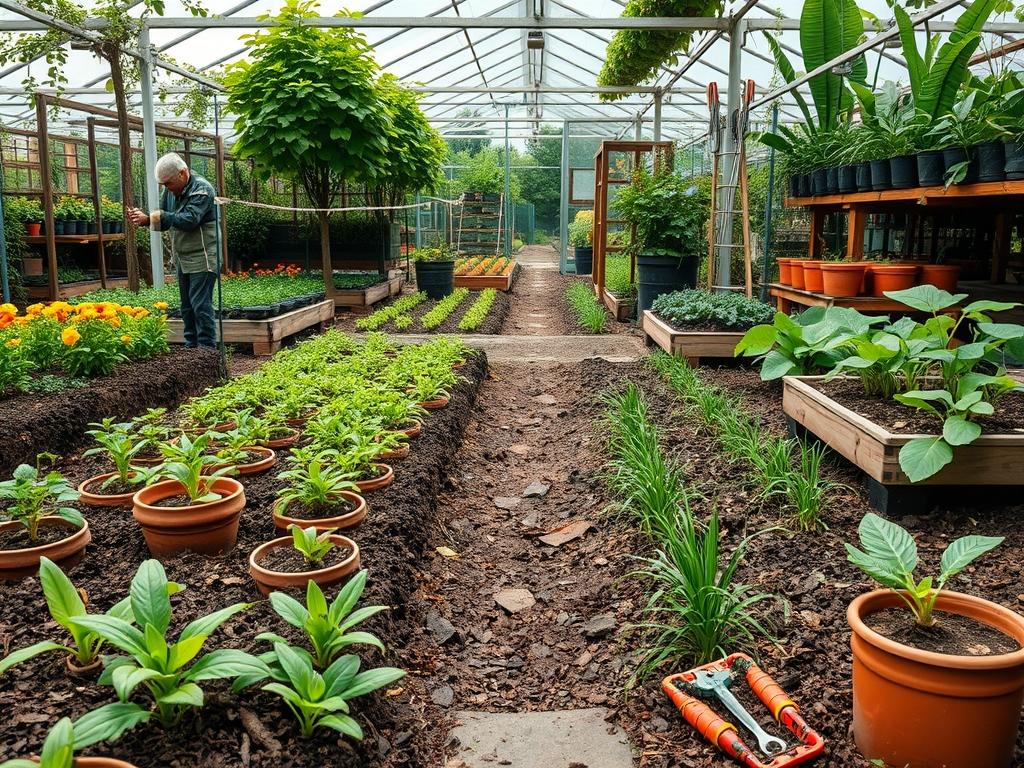
Maintaining a healthy garden environment in regions with high soil temperatures requires a strategic approach to moisture management and pathogen suppression. In professional landscape architecture, we often struggle with the balance between aesthetic perfection and the biological realities of the soil. When soil temperatures rise, they create a breeding ground for various soil-borne pathogens that can devastate high-value plantings. Implementing Plastic Mulch Disease Control is not merely a utility choice; it represents a comprehensive shift in how we manage the microclimate of a garden bed. By creating a physical barrier between the soil and the plant canopy, we effectively interrupt the life cycle of many common diseases while simultaneously managing the thermal properties of the earth. This intervention is particularly critical for clients who demand year-round curb appeal and functional outdoor spaces that remain vibrant even during the peak of summer.
The visual impact of a well-ordered garden is often what defines the success of a landscape design. However, the functionality beneath the surface is what determines the longevity of that success. High-heat environments accelerate the breakdown of organic mulches, leading to rapid nutrient leaching and soil compaction. In contrast, synthetic barriers allow the consultant to regulate the internal environment with surgical precision. This level of control is essential for preventing the splash-back of soil-borne fungi during heavy irrigation or rain events. When we talk about outdoor functionality, we are really talking about the ability of the landscape to thrive with minimal chemical intervention. Plastic Mulch Disease Control provides this by keeping the foliage dry and the root zone consistently warm and moist.
Landscape Design Principles
Integrating synthetic barriers into high-end landscape design requires a keen eye for symmetry and focal points. A common mistake is to view plastic mulch as an eyesore that belongs only in commercial agriculture. In contrast, a senior consultant uses it as a foundation for elevation layers. By raising the planting beds and covering them with a high-quality Polyethylene, we create a clean, crisp line that defines the garden architecture. This defines the walkways and provides a sharp contrast to the surrounding hardscaping features like stone paths or brick retaining walls.
Irrigation planning is another pillar of this design philosophy. Because plastic is impermeable, the entire hydration system must be planned with subterranean drip lines. This ensures that water reaches the roots directly without evaporating or encouraging surface mold. We achieve visual balance by layering organic materials, such as a thin coat of cedar bark or decorative stone, over the plastic. This “sandwich” method maintains the disease-suppressing benefits of the plastic while keeping the traditional aesthetic that clients expect. It allows for the creation of focal points where specimen plants can thrive without the competition of weeds or the threat of wilt diseases.
Plant and Material Selection
Selecting the right cultivars is essential for a system that utilizes plastic mulch. The increased soil temperature can stress cool-weather plants, so we prioritize heat-loving species that benefit from the thermal stability provided by the barrier.
| Plant Type | Sun Exposure | Soil Needs | Water Demand | Growth Speed | Maintenance Level |
| :— | :— | :— | :— | :— | :— |
| Hybrid Tomatoes | Full Sun | Well-drained, Loamy | Moderate | Fast | High |
| Sweet Bell Peppers | Full Sun | High Organic Matter | Low to Moderate | Medium | Medium |
| English Lavender | Full Sun | Sandy, Alkaline | Very Low | Slow | Low |
| Cantaloupe Melons | Full Sun | Loose, Sandy | Moderate | Very Fast | Medium |
| Zinnias | Full Sun | Average, Well-drained | Moderate | Fast | Low |
Implementation Strategy
The process begins with precise site grading. Before any plastic is laid, the soil must be leveled to prevent water pooling on the surface. We recommend a slight crown in the center of the bed to encourage runoff toward the edges. Once the grading is complete, the soil is amended with slow-release fertilizers and organic compost. Because the plastic will remain in place for the entire season, you have only one opportunity to get the soil chemistry right. After amending, we install high-grade Drip Tape or Soaker Hoses directly onto the soil surface, ensuring they are pinned down firmly.
Next comes the application of the Plastic Mulch. The material should be pulled taut over the beds to ensure maximum contact with the soil. Any air pockets between the plastic and the dirt can act as insulation, preventing the desired heat transfer and potentially harboring pests. The edges of the plastic are then buried in a 6-inch deep trench around the perimeter of the bed. This “trenching” method is superior to using staples because it prevents wind from getting under the material and lifting it. Once the plastic is secured, we use a specialized cutting tool to create small, precise openings for the plants. The goal is to keep the holes as small as possible to minimize weed emergence and moisture loss.
Common Landscaping Failures
One of the most frequent errors in implementing Plastic Mulch Disease Control is ignoring the drainage requirements of the site. If the site is not properly graded, water can collect in the planting holes, leading to crown rot and anaerobic soil conditions. This occurs when oxygen is completely displaced by water, effectively suffocating the beneficial microbes in the soil. Furthermore, root overcrowding is a significant risk. Because plants under plastic grow much faster due to the increased heat, they often outpace their allotted space. This can lead to poor air circulation between the plants, which ironically creates the very disease-prone environment the plastic was meant to prevent.
Another failure point involves improper spacing and the use of the wrong gauge of material. Using a plastic that is too thin, such as anything under 1.0 mil, can lead to tearing and degradation before the season is over. This ruins the crisp aesthetic of the landscape and allows weeds to penetrate the barrier. Irrigation inefficiencies also plague many DIY installations. If the drip lines are not tested before the plastic is laid, a single leak can wash away the planting bed from the inside out, leading to soil subsidence and focal point collapse.
Seasonal Maintenance
Landscape management is a year-round commitment. In the spring, the focus is on soil preparation and ensuring that the irrigation system is free of clogs. This is the time to check the integrity of the Polyethylene and replace any sections that were damaged over the winter. As we transition into summer, the primary task is monitoring the soil temperature. If the heat becomes excessive, a light dusting of organic material or a spray of specialized reflective paint can be applied to the plastic to reduce thermal absorption.
Autumn brings a shift in focus toward debris removal. Any fallen leaves or spent plant material should be cleared from the surface of the plastic to prevent the buildup of pathogens that could overwinter in the organic matter. For many climates, the plastic can be left in place through the winter to prevent soil erosion and keep the ground from becoming waterlogged. However, in areas with heavy snowfall, it is often better to remove the plastic to prevent it from becoming brittle and shattering. Proper winterization ensures that the soil remains structured and ready for the next planting cycle without the need for extensive tilling.
Professional Landscaping FAQ
How does plastic mulch specifically control diseases?
It prevents soil-borne pathogens from splashing onto plant foliage during rain or irrigation. By keeping the leaves dry and the soil contained, the plastic interrupts the primary infection pathway for many common fungal and bacterial wilts.
What is the best color of plastic for disease control?
Black plastic is standard for warming the soil, but silver or metallic plastics are often superior for disease control. These reflective surfaces disorient pests like aphids and thrips that often carry viral diseases to the plants.
Can I use plastic mulch with a traditional sprinkler system?
It is not recommended. Sprinklers cause water to pool on the plastic surface, which can lead to localized humidity and rot. Drip irrigation is the professional standard for ensuring water reaches the roots without affecting the foliage.
Does the plastic need to be replaced every year?
For the best results in disease control, annual replacement is advised. Over time, the material can develop micro-tears and accumulate Surface pathogens. Starting with fresh, sterile plastic each spring ensures the highest level of biological security.
How do I handle fertilization once the plastic is down?
Fertilization should be handled through a process called fertigation. By injecting water-soluble nutrients directly into the drip irrigation system, you can deliver precise doses of nitrogen, phosphorus, and potassium straight to the root zone throughout the growing season.