
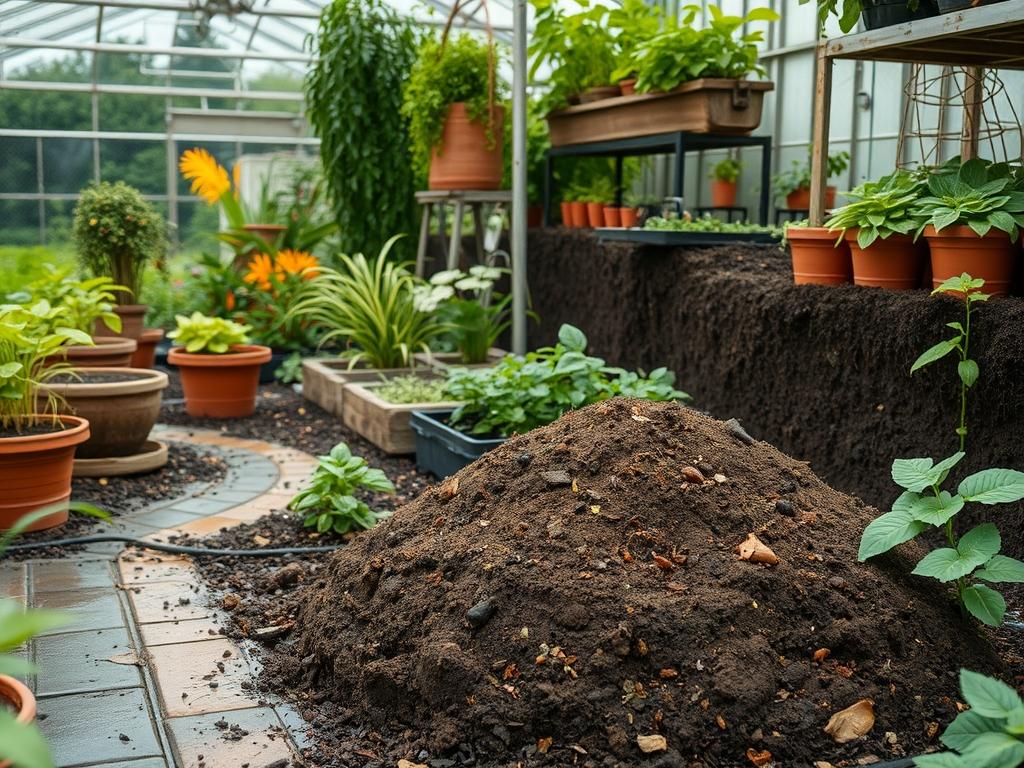
Maintaining a pristine landscape requires more than just a keen eye for aesthetics and a rigorous pruning schedule. It demands a constant vigilance against biological factors that threaten the structural and visual integrity of the outdoor environment. Among these challenges, the emergence of persistent pests stands out as a primary concern for property owners and consultants alike. When a client notices the telltale rise of soil in the middle of a manicured Kentucky Bluegrass lawn or beneath the edges of a Bluestone patio, the instinctual reaction is often to seek an immediate remedy. One of the most frequently discussed DIY methods is the use of Boiling Water Ant Mounds, a technique that promises a chemical-free solution to a frustrating problem. However, as a professional landscape architect, I must evaluate this method through the lens of long term soil health, vegetation vitality, and overall curb appeal.
The appeal of using boiling water is rooted in its simplicity and perceived environmental safety. By heating water to 212 degrees Fahrenheit and pouring it directly into the subterranean galleries of a colony, a homeowner can theoretically achieve instant results without introducing synthetic toxins into the groundwater. In a world where sustainable landscaping and organic maintenance are becoming the gold standard, avoiding heavy pesticides is a laudable goal. Nevertheless, the physical impact of high temperature liquids on the micro environment of a garden bed can be devastating. We must weigh the immediate eradication of a few thousand insects against the potential sterilization of the soil and the localized death of desired plant root systems. A brown, circular patch of scalded turf is often just as detrimental to the landscape focal points as the original mound itself.
Landscape Design Principles
Successful landscape design relies on the principles of symmetry and visual balance, both of which are compromised when pest infestations go unchecked. In a formal garden setting, even a small shift in the topography caused by a large mound can disrupt the clean lines of a Boxwood hedge or the smooth transition of a gravel path. When we design focal points, we intend for the eye to be drawn to architectural features like a Tiered Fountain or a specimen Japanese Maple, not to a cluster of unsightly dirt piles and dead grass. Effective pest management must therefore be integrated into the broader plan for outdoor functionality.
Elevation layers and irrigation planning are also central to the architectural integrity of a site. Ants are not merely a surface nuisance; their extensive tunneling can lead to localized soil subsidence, which may eventually interfere with the pitch of drainage systems or the stability of Flagstone walkways. A landscape architect views the ground as a structural foundation. If the subsoil is riddled with voids, the risk of settling increases, potentially causing pavers to tilt or retaining walls to shift. When choosing a remediation method like Boiling Water Ant Mounds, one must consider if the sudden introduction of gallons of hot water will contribute to erosion or further destabilize the soil structure in high traffic areas.
Plant and Material Selection
The choice of plant material can significantly influence how a landscape responds to both pest pressure and the methods used to control it. Certain species are more resilient to the heat transfer associated with boiling water, while others should never be subjected to such extreme temperature shifts. The following table outlines plants often utilized in professional designs that balance aesthetic value with practical durability.
| Plant Type | Sun Exposure | Soil Needs | Water Demand | Growth Speed | Maintenance Level |
| :— | :— | :— | :— | :— | :— |
| Lavender | Full Sun | Well-drained | Low | Moderate | Low |
| Creeping Thyme | Full Sun | Sandy/Loam | Low | Fast | Low |
| Pennyroyal | Partial Shade | Moist | High | Fast | Moderate |
| Chrysanthemum | Full Sun | Loamy/Rich | Moderate | Moderate | High |
| Rosemary | Full Sun | Sandy | Low | Slow | Low |
| Catmint | Full Sun | Any | Low | Fast | Low |
Incorporating aromatic herbs like Rosemary and Lavender can act as a natural deterrent, as many insects are repelled by their concentrated oils. When selecting materials for hardscaping, professional installers often prefer Polymeric Sand for joints between pavers. Unlike traditional sand, this material hardens to create a barrier that is difficult for ants to penetrate, thereby reducing the need for aggressive interventions like boiling water treatments.
Implementation Strategy
Planning a backyard layout requires a strategic approach to grading and edging to ensure the long term health of the ecosystem. If you choose to treat an infestation with boiling water, the execution must be precise to minimize collateral damage. Start by identifying the primary entrance of the mound. Using a Spade, carefully clear a small radius of mulch or debris to prevent the hot water from splashing onto nearby decorative shrubs. The water should be poured slowly and directly into the hole, allowing it to percolate down through the tunnels. Use a Tea Kettle for better directional control, ensuring that the liquid reaches the subterranean chambers where the queen resides.
Following a treatment, it is vital to address the resulting void. Once the soil has cooled, use a Hand Trowel to collapse the mound and level the area with fresh Topsoil. If the treatment was performed in a lawn, you may need to re-seed the area and apply a thin layer of Peat Moss to protect the new growth. In garden beds, check the depth of your Pine Bark Mulch; maintaining a consistent 3 inch depth helps regulate soil temperature and moisture, which can aid in the recovery of the local microbiome after a heat shock event. Properly installed Steel Edging can also help define boundaries and prevent the spread of soil if the area needs to be flushed with fresh water to restore its pH balance.
Common Landscaping Failures
The most common failure in domestic pest control is the lack of foresight regarding drainage and soil health. Pouring boiling water onto a mound located on a slope can result in the hot liquid running off and killing a wide swath of grass or delicate perennials down grade. Furthermore, repeated applications of boiling water can lead to soil compaction and sterilization. This kills the beneficial bacteria and fungi that plants need to thrive, effectively creating a dead zone in the garden. Without these microbes, nutrient cycling ceases, and the soil becomes a hard, crusty surface that repels water rather than absorbing it.
Another frequent mistake involves ignoring the proximity of irrigation components. Modern landscapes often utilize a Drip Irrigation System with thin, polyethylene tubing buried just beneath the surface. Subjecting these plastic lines to boiling water can cause them to warp, melt, or burst, leading to expensive repairs and inefficient water distribution. Similarly, root overcrowding occurs when homeowners plant too closely to known ant hotspots, thinking the plants will shade the area. In reality, this just places the root systems of expensive Ornamental Grasses or Hydrangeas directly in the line of fire during a heat treatment.
Seasonal Maintenance
Landscape management is a year round discipline that changes with the cycles of the environment. In the spring, focus on preventative measures. Apply Diatomaceous Earth around the perimeter of the foundation and hardscaped areas to discourage colony establishment before the ground warms. Check your French Drains for debris to ensure that spring rains do not pool and create the damp conditions that many ants prefer for nesting.
During the summer peak, monitoring becomes key. This is when activity is highest and when the temptation to use Boiling Water Ant Mounds is strongest. If you use this method, do so in the early morning or late evening to minimize the additional stress of ambient heat on your turf. In the autumn, shift your focus to structural repair. Aerate the lawn using a Core Aerator to relieve compaction and fill in any depressions left by former mounds. Winter is the time for planning. Review the performance of your plant selections and consider installing Perimeter Barriers or adjusting your grading to improve drainage, ensuring that next year’s landscape is even more resilient and visually stunning.
Professional Landscaping FAQ
Does boiling water kill grass permanently?
Yes; the extreme heat destroys the cellular structure of the blades and roots. While the grass is dead, you can reseed the area. However, the specific patch of vegetation hit by the water will not recover on its own.
Is boiling water effective against the queen?
Rarely; ant colonies can extend several feet underground. Boiling water usually cools significantly as it travels through the soil, often failing to reach the deeper chambers where the queen resides. It typically only kills the workers near the surface.
Can I use this method near my house foundation?
Use caution; while it will not harm concrete, the water can seep into crawlspaces or affect subterranean waterproofing. It is generally safer for the structure than chemical sprays, but excessive moisture near the foundation can attract other pests.
How does boiling water affect soil microbes?
It essentially sterilizes the application area. The heat kills beneficial fungi and bacteria necessary for nutrient cycling. This can leave the soil inhospitable for new plants until the microbial population eventually migrates back into the treated zone.
What is a safer alternative for premium turf?
Integrated Pest Management is preferred. Use non-scald treatments like citrus oil or bait stations. These targets the colony more effectively without destroying the aesthetic value of the lawn or the biological integrity of the underlying soil system.