
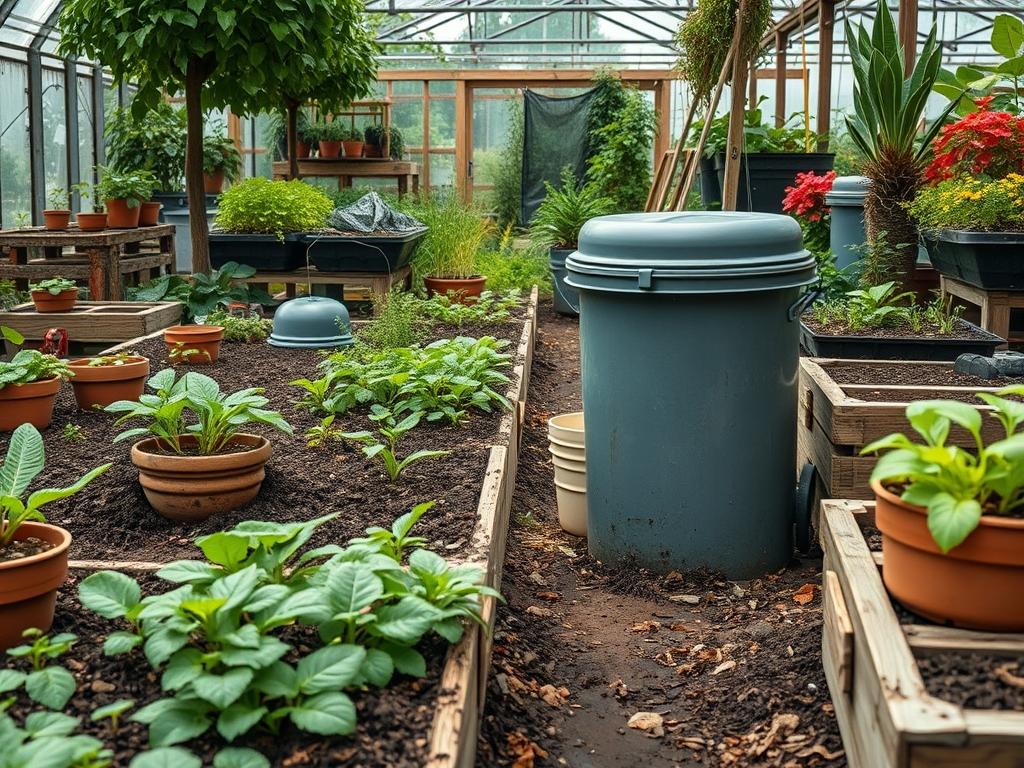
Integrating high-functionality service zones into a luxury or residential landscape requires more than just masking unsightly utilities. It demands a sophisticated understanding of site ecology and pest behavior. When homeowners struggle with ants in trash cans, the issue often stems from a fundamental failure in landscape architecture rather than a simple lack of sanitation. These pests are highly sensitive to microclimates, seeking out moisture gradients and pheromone trails that are inadvertently encouraged by poor drainage, improper grading, or the wrong choice of ground cover. A professional approach to this problem balances curb appeal with tactical site management, ensuring that the necessary infrastructure of daily life does not compromise the visual or biological integrity of the garden.
The placement of waste receptacles must be a primary consideration during the site analysis phase. From a consulting perspective, we view the service area as a high-traffic node that influences the surrounding ecosystem. If the trash storage is located on soft, organic surfaces like wood mulch or damp soil, it provides a direct highway for foraging insects. By elevating these zones and utilizing inorganic materials, we create a thermal and physical barrier. This strategic placement ensures that the outdoor environment remains functional and hygienic while maintaining a seamless aesthetic flow. Effective landscape design treats the waste management zone as a technical feature, using appropriate materials to discourage infestations while keeping the area accessible for both the homeowner and sanitation services.
Landscape Design Principles
Successful landscape architecture relies on the principle of zoning, where specific areas of the property serve distinct purposes without overlapping in a way that causes conflict. The service zone, where trash cans are housed, should be designed with its own internal logic. We prioritize elevation to prevent water from pooling around the base of the bins. Providing a slight 2 percent slope away from the home foundation and the storage pad ensures that runoff carries away the liquid waste or organic debris that might leak from a bag. This moisture control is the first line of defense against ants.
Visual balance is achieved by framing these areas with structural hedging or retaining walls. While the primary goal is to hide the bins, the secondary goal is to control the environment around them. We often specify non-porous pavers or poured concrete for the storage pad. These surfaces are easy to power wash and do not provide the nesting opportunities found in loose soil or decaying wood. Symmetry in the surrounding plantings can further integrate the service zone into the broader garden plan, making the trash storage feel like a deliberate part of the design rather than an afterthought.
Walkway planning is another critical component. A clear, 4-foot wide path made of flagstone or decomposed granite should lead from the kitchen exit to the trash area. This path should be bordered by materials that do not attract pests. By using a crisp edge of metal landscape edging, we create a clean break between the functional hardscape and the ornamental garden beds. This break disrupts the scent trails used by ants as they navigate toward the trash cans, effectively isolating the service area from the rest of the property.
Plant and Material Selection
The following selections are curated for their ability to withstand the microclimate of a service zone while offering natural deterrent properties or structural stability.
| Plant Type | Sun Exposure | Soil Needs | Water Demand | Growth Speed | Maintenance Level |
| :— | :— | :— | :— | :— | :— |
| Lavandula angustifolia | Full Sun | Well-drained, Alkaline | Low | Moderate | Low |
| Mentha piperita | Partial Shade | Moist, Rich | High | Fast | High (Invasive) |
| Chrysanthemum | Full Sun | Loamy, Well-drained | Medium | Moderate | Medium |
| Rosmarinus officinalis | Full Sun | Sandy, Dry | Very Low | Slow | Low |
| Nepeta cataria | Full/Partial Sun | Average, Well-drained | Low | Fast | Moderate |
When selecting materials for the service zone, we avoid organic wood mulch immediately adjacent to the bins. Instead, we select 3/4-inch crushed granite or river rock. These inorganic materials dry quickly and do not break down into the nutrient-rich humus that ants prefer for nesting. Rosemary and Lavender are excellent choices for the perimeter because their high essential oil content acts as a natural olfactory deterrent to many climbing insects. However, these must be planted in raised beds or well-draining soil to prevent the root rot associated with the extra moisture often found near cleaning stations.
Implementation Strategy
The implementation begins with proper site preparation. We start by excavating the designated area to a depth of 6 inches. The subgrade is then compacted using a plate compactor to prevent future settling. A layer of geotextile fabric is laid down to suppress weed growth and prevent the mixing of soil with the base material. Over this fabric, we install a 4-inch layer of modified stone base, which is again compacted to provide a rigid foundation for the finish material.
Next, we address the hardscaping. Whether using interlocking pavers or poured concrete, the surface must be finished with a broom texture for slip resistance. We recommend sealing the joints of pavers with polymeric sand. This specialized sand hardens when wetted, creating a barrier that prevents ants from tunneling between the stones and establishing colonies directly beneath the trash cans. This level of detail in the hardscape installation is what separates professional landscaping from basic gardening.
For the surrounding garden beds, we implement a terraced approach if the site has any significant grade. Using 6-inch by 6-inch pressure-treated timbers or natural stone blocks for low retaining walls helps define the space. Drainage is managed by installing a perforated 4-inch PVC pipe behind the wall, surrounded by clean gravel. This ensures that even during heavy rain, the area around the trash cans remains dry. Finally, we finish the edges with 1/8-inch steel edging to provide a sharp, clean transition between the gravel service area and the lawn or planting beds.
Common Landscaping Failures
One of the most frequent errors we observe is the “mulch volcano” or the over-application of organic materials against the foundation or utility pads. Deep layers of wood chips retain moisture for weeks, creating an ideal habitat for ant colonies to flourish. When these mulch beds are placed in contact with trash bins, it creates a seamless bridge for pests. We recommend a maximum 3-inch depth for mulch and maintaining a 12-inch buffer zone of inorganic material around any waste storage areas.
Another failure is the lack of proper irrigation planning. Many homeowners install overhead spray sprinklers that hit the sides of the trash cans or pool water in the service zone. This constant moisture attracts insects and accelerates the decomposition of any spilled organic waste. A professional system uses drip irrigation emitters buried under the mulch or soil, delivering water directly to the root zones of the plants. This keeps the surface dry and inhospitable to foraging ants.
Soil compaction in the surrounding lawn can also lead to issues. When the ground is compacted, water cannot infiltrate the soil, leading to surface runoff that carries food particles and scents into the garden. Regular core aeration and the application of gypsum can help open up the soil structure. Without these measures, the area around the trash cans becomes a drainage basin, concentrating the very factors that lead to an infestation of ants in trash cans.
Seasonal Maintenance
In the spring, the focus should be on clearing any debris that accumulated over the winter. This is the time to refresh the polymeric sand in paver joints and check the grading for any signs of erosion. We also recommend applying a pre-emergent herbicide to the gravel areas to ensure no weeds provide a ladder for insects to reach the bins. Pruning any overhanging branches from nearby shrubs or trees is vital, as ants often drop from foliage onto the lids of trash cans.
During the summer, the priority shifts to moisture management. Inspect the drip emitters for leaks and ensure the 12-inch buffer zone of stone remains clear of blowing leaves or grass clippings. In the autumn, leaf removal is paramount. Piles of wet leaves are prime nesting grounds. We advise using a leaf blower to clear the service pad and surrounding hardscapes weekly. Finally, in the winter, ensure that snow is not piled against the trash cans. As snow melts, it can saturate the ground and create long-term moisture issues that will become problematic as soon as the ground warms in the spring.
Professional Landscaping FAQ
How does drainage affect ant activity in my trash area?
Ants require moisture to survive and thrive. Poor drainage creates standing water and damp soil, which attract colonies. By using perforated pipes and sloped concrete pads, you eliminate the water source, making the area less attractive for nesting.
Can certain types of mulch actually prevent ants?
While most organic mulches attract pests, cedar mulch and cypress mulch contain natural oils that can deter some insects. However, for trash areas, a non-organic stone mulch is always the superior choice for long-term pest prevention.
Is there a specific distance my trash cans should be from my garden?
To prevent ants in trash cans, maintain at least a 5-foot buffer between the bins and dense ornamental plantings. This gap, filled with compacted gravel or pavers, creates a “dry zone” that is difficult for ants to cross.
Are there specific ground covers that discourage ants?
Low-growing herbs like Creeping Thyme or Stonecrop sedum are excellent. They thrive in well-drained conditions and do not create the thick, moist thatch layer that ants prefer, unlike traditional turf grasses or heavy ivy.
How often should I clean the hardscape under my trash cans?
We recommend a monthly cleaning with a high-pressure sprayer and a mild, biodegradable detergent. This removes pheromone trails and sugary residues that accumulate on the concrete surface, effectively resetting the area and discouraging returning foragers.