
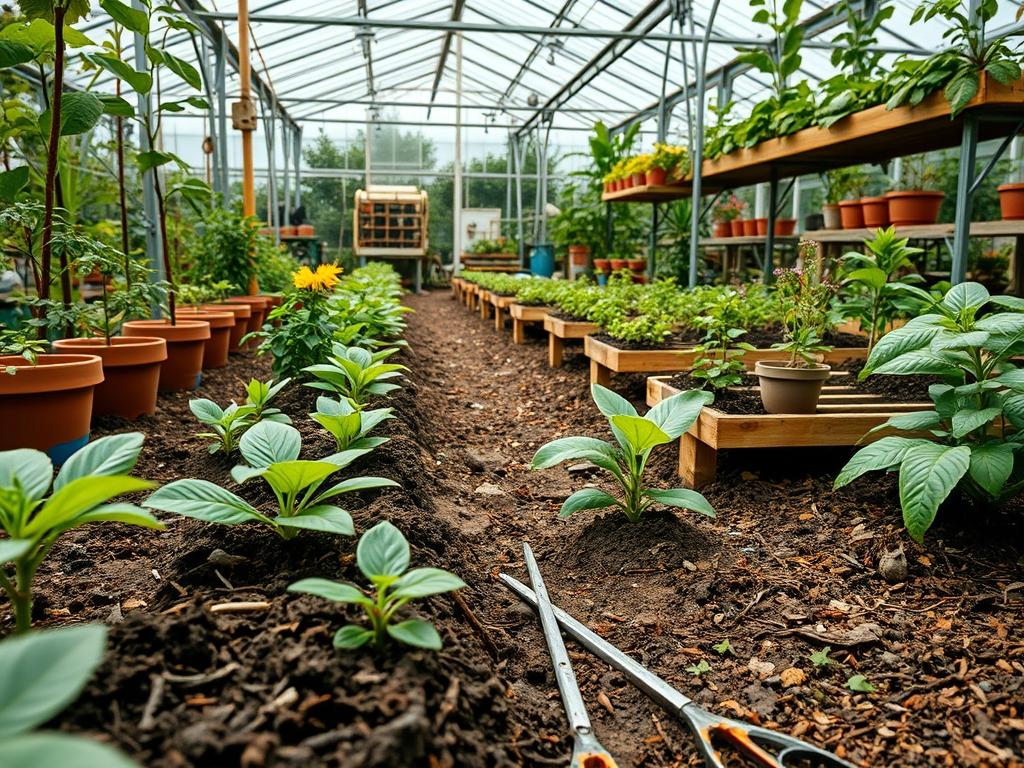
Professional landscaping involves navigating the delicate intersection of aesthetic value and ecological health. Homeowners often struggle with pest management, particularly when chemical solutions threaten the structural integrity of their ornamental beds or the health of native pollinators. Effective Soldier Beetle Identification becomes a critical skill in this context because these insects are natural predators that eliminate the need for harsh interventions. A garden designed with biotic health in mind focuses on curb appeal while fostering an environment where beneficial insects thrive. When we plan a landscape, we are not just installing plants; we are engineering a micro-ecosystem. This requires a deep understanding of how various species interact with the physical environment, from the drainage patterns of the soil to the height of the canopy.
Soldier beetles, often called leather-wings, are distinguished by their elongated, soft bodies and characteristic color patterns of orange, yellow, and black. They are frequent visitors to flowering perennials in mid to late summer. From a consultant’s perspective, their presence indicates a healthy landscape where the integrated pest management strategy is working. Unlike destructive beetles, soldier beetles do not damage foliage or flowers. Instead, they consume aphids and other soft-bodied pests that can compromise the visual symmetry of a garden. By recognizing these insects early, property owners can avoid unnecessary pesticide applications that might otherwise harm the very plants they are trying to protect.
Landscape Design Principles
Successful landscape architecture relies on the principle of layers. We look at a site and determine how to move the eye from the foreground to the background using focal points and elevation changes. In a garden optimized for beneficial insects, we use tall, nectar-rich perennials like Goldenrod as structural anchors. These plants provide the vertical interest necessary for a high-end look while serving as a primary habitat for soldier beetles.
Symmetry is another vital component. A balanced garden often uses mirrored plantings on either side of a walkway to create a sense of order. However, strict formal symmetry can sometimes be difficult to maintain if pests move in. By incorporating plants that support Soldier Beetle Identification, we ensure that the natural “clean-up crew” is present to keep the foliage pristine. Irrigation planning also plays a role here. Soldier beetle larvae live in the soil and require consistent, but not oversaturated, moisture levels. Designing a system with Drip Irrigation ensures that the root zones stay hydrated without creating the fungal issues associated with overhead watering.
Walkways and hardscaping provide the literal backbone of the garden. When we install Flagstone or Paver paths, we must consider how the runoff affects the surrounding soil. High-quality landscape design uses permeable materials or strategic Grading to direct water toward bioswales or rain gardens. This moisture management is essential for the life cycle of the soldier beetle, as their larvae help control soil-dwelling pests like slug eggs and grasshopper eggs before they can reach the ornamental plants.
Plant and Material Selection
| Plant Type | Sun Exposure | Soil Needs | Water Demand | Growth Speed | Maintenance Level |
| :— | :— | :— | :— | :— | :— |
| Goldenrod (Solidago) | Full Sun | Well-drained | Moderate | Fast | Low |
| Milkweed (Asclepias) | Full Sun | Sandy/Loamy | Low | Medium | Moderate |
| Aster (Symphyotrichum) | Full to Part Sun | Rich/Moist | Moderate | Fast | Moderate |
| Zinnia (Zinnia elegans) | Full Sun | Fertile/Loose | Moderate | Very Fast | Low |
| Marigold (Tagetes) | Full Sun | Any/Well-drained | Moderate | Fast | Low |
| Limelight Hydrangea | Part Sun/Sun | Organic/Rich | High | Medium | Medium |
Selecting the right materials is just as important as the plants themselves. Using Hardwood Bark Mulch at a depth of 3 inches provides a thermal blanket for the soil. This mulch layer suppresses weeds and retains moisture, but it also creates the ground-level environment where soldier beetle larvae hunt. When choosing hardscape materials, consider Natural Fieldstone for Retaining Walls. The crevices in these walls provide overwintering sites for many beneficial insects, including the adults that emerge in the spring to begin the cycle of pest control once more.
Implementation Strategy
The transition from a design on paper to a physical landscape requires a methodical approach. First, we begin with Site Grading. The land must be pitched away from the foundation of the home at a slope of at least two percent. This prevents water from pooling near the structure, which protects both the house and the root systems of the foundation plantings. Once the grade is established, we mark out the Hardscaping areas, such as patios and walkways, using Landscape Marking Paint.
Next, we address the soil. Most residential soil is compacted from construction or foot traffic. We use a Power Tiller or a Broadfork to aerate the ground before adding Organic Compost. This improves the soil structure and creates a hospitable environment for the larvae mentioned in our Soldier Beetle Identification guide. After the soil is prepared, we install the Edging. Steel or heavy-duty plastic edging creates a clean break between the lawn and the garden beds, which is essential for that professional, high-end finish.
The planting phase follows. We use a Transplant Spade to dig holes twice as wide as the root ball but no deeper. This encourages outward root growth. Once the plants are in the ground and the Drip Irrigation Emitters are positioned, we apply the mulch. It is crucial to keep mulch away from the direct stems of the plants to prevent rot. A final soak with a Soaker Hose ensures that the air pockets in the soil are collapsed and the roots make good contact with the earth.
Common Landscaping Failures
One of the most frequent mistakes in residential landscaping is poor drainage. When water sits in a garden bed for more than 24 hours, it drowns the roots and eliminates the beneficial insects that live in the soil. This leads to a decline in plant health that many homeowners mistake for a pest infestation. Another common failure is root overcrowding. It is tempting to plant closely for “instant” curb appeal; however, failing to account for the mature width of a Viburnum or Spirea results in poor air circulation and increased disease pressure.
Soil compaction is another silent killer of beautiful landscapes. When the soil is too tight, oxygen cannot reach the roots, and water cannot penetrate the surface. This often occurs when heavy machinery is used during construction without subsequent remediation. Finally, irrigation inefficiencies cause significant waste and plant stress. Many systems are set to a “one size fits all” timer that does not account for the different needs of a Hydrangea versus a Sedum. Over-watering not only wastes resources but also creates a habitat for harmful slugs that soldier beetles must then work twice as hard to control.
Seasonal Maintenance
Landscape management is a year-round commitment. In the spring, the focus is on cleanup and preparation. This is the time to prune dead wood from deciduous shrubs and apply a fresh layer of Slow-Release Fertilizer. We also check the Irrigation System for leaks or clogged nozzles. For those focused on Solders Beetle Identification, the spring is when the larvae are most active in the soil; so, we avoid heavy tilling to protect them.
Summer maintenance is primarily about water management and deadheading. Removing spent blooms from Zinnias and Marigolds encourages the plants to produce more flowers, which keeps the adult soldier beetles well-fed with pollen. Autumn is for protection. We leave a light layer of leaf litter in the back of the beds to provide insulation for the soil. This is also the ideal time to plant bulbs and move any perennials that were improperly spaced in the spring.
Winter involves monitoring the hardscape and structural elements. We inspect Retaining Walls for shifting and ensure that French Drains are clear of debris. While the garden is dormant, we can also perform structural pruning on large trees. This maintains the desired silhouette and ensures that the landscape remains beautiful even when the leaves have fallen. By following this seasonal rhythm, the landscape remains a healthy and vibrant environment for years to come.
Professional Landscaping FAQ
How do I tell a soldier beetle from a lightning bug?
Soldier beetles lack the light-producing organs found on the abdomen of fireflies. They have more elongated, softer wing covers and are active during the day on flowers, whereas fireflies are primarily nocturnal and usually found in the grass.
Will soldier beetles damage my flower petals?
No, soldier beetles are beneficial insects. Adults primarily feed on nectar and pollen, while also hunting smaller pests like aphids. They do not chew on foliage or destroy the aesthetic value of your ornamental blooms or vegetables.
What is the best mulch for attracting beneficial insects?
Coarse Hardwood Bark Mulch or Cedar Mulch is ideal. These materials create a stable, moist environment at the soil surface. This layer protects the larvae of predatory beetles and helps maintain the soil temperature throughout the seasons.
Should I use pesticides if I see many beetles?
If you have performed a correct Soldier Beetle Identification, you should avoid pesticides. These beetles are natural pest controllers. Sprays often kill the beneficial insects along with the pests, leading to a secondary outbreak of aphids later.
How can I improve drainage in a heavy clay lawn?
Incorporate Organic Matter like compost and use Gypsum to break up clay particles. For severe issues, installing a French Drain or a dry creek bed can redirect excess water away from the planting zones effectively.