
Effective landscape architecture involves more than just the aesthetic placement of ornamental flora and the installation of hardscape elements. It requires the creation of a self-sustaining ecosystem that balances curb appeal with ecological functionality. One of the most significant challenges in modern garden planning is the management of invasive pests without relying on heavy chemical interventions. This is where the concept of assassin bug protection becomes a cornerstone of an integrated pest management strategy. By designing a landscape that actively supports these beneficial predators, a property owner can maintain a pristine outdoor environment while reducing maintenance costs. Assassin bugs are elite hunters that target aphids, caterpillars, and Japanese beetles. Integrating their habitat needs into the initial design layout ensures the garden remains vibrant through varying climate conditions. A professional landscape consultant views these insects not as intruders, but as essential site contractors that provide 24 hour protection for high value specimen plants.
Landscape Design Principles
Successful garden planning relies on foundational principles such as symmetry, focal points, and elevation layers. When we design for assassin bug protection, we focus heavily on elevational layering. This involves structuring the garden in tiers, starting with ground covers and moving toward herbaceous perennials, shrubs, and finally a canopy of trees. This vertical diversity provides the complex architecture required for predators to hide and hunt. Symmetry ensures that these beneficial zones are distributed evenly across the property. If one corner of the yard is a biodiverse haven while the other is a monoculture lawn, the pest pressure will become unbalanced. We utilize focal points, such as a multi-stem Serviceberry or a sculptural boulder, to draw the eye while simultaneously providing thermal mass for insects to sun themselves during the cooler morning hours.
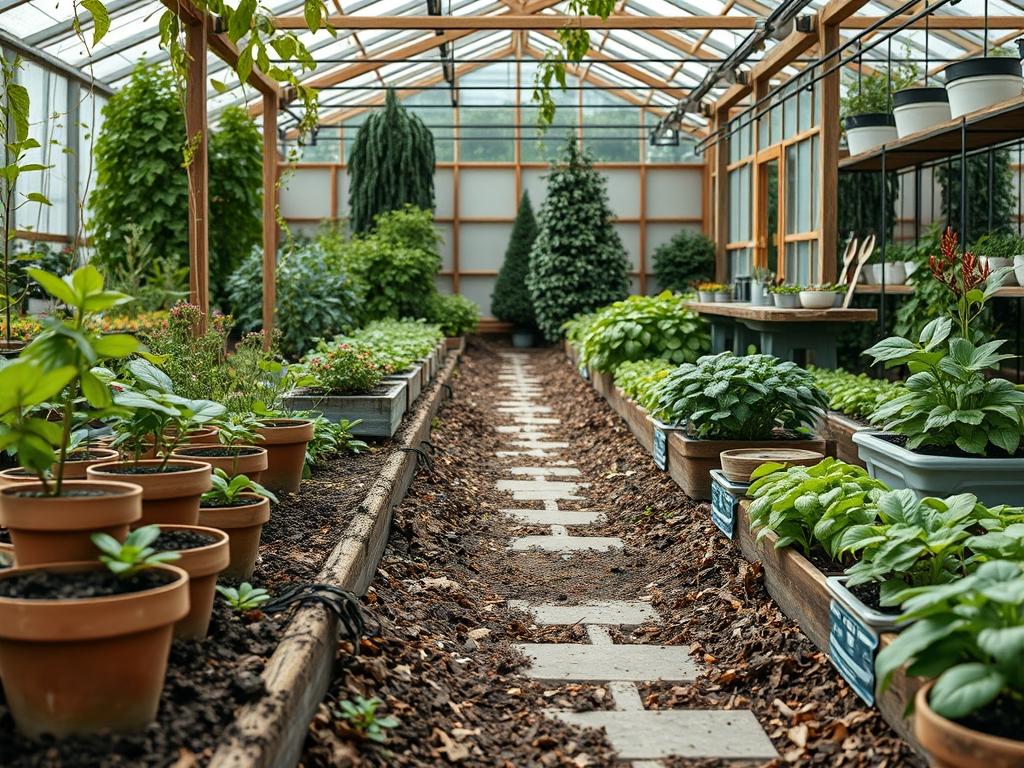
Irrigation planning and walkway layout also play critical roles in the functionality of the garden. Walkways should be designed to allow for viewing the landscape without disturbing the core habitat zones. Using natural flagstone or porous pavers allows for better water infiltration compared to solid concrete. This maintains a consistent moisture level in the soil, which prevents the habitat from becoming too arid for delicate egg stages. Visual balance is achieved by mixing fine textured foliage with bold, broadleaf plants. This contrast is not only pleasing to the human eye but creates various microclimates within the foliage. A dense cluster of Evergreen Boxwoods adjacent to airy Threadleaf Coreopsis offers both winter structure for the landscape and year round shelter for the beneficial insect population.
Plant and Material Selection
The following selection of plants and materials represents a professional palette designed to enhance the property’s value while providing the necessary infrastructure for assassin bug protection and general garden health.
| Plant Type | Sun Exposure | Soil Needs | Water Demand | Growth Speed | Maintenance Level |
| :— | :— | :— | :— | :— | :— |
| Yarrow (Achillea) | Full Sun | Well-Drained | Low | Fast | Low |
| Goldenrod (Solidago) | Full to Part Sun | Average/Dry | Low | Medium | Low |
| Elderberry (Sambucus) | Full Sun to Part Shade | Moist/Rich | Moderate | Fast | Medium |
| Milkweed (Asclepias) | Full Sun | Variable | Low/Moderate | Medium | Low |
| Fennel (Foeniculum) | Full Sun | Well-Drained/Sandy | Moderate | Fast | Moderate |
| Switchgrass (Panicum) | Full Sun | Dry to Moist | Low | Fast | Low |
| Shredded Bark Mulch | N/A | Organic Layer | N/A | N/A | Annual Top-dress |
Implementation Strategy
The implementation of a professional grade garden begins with proper site preparation. Grading is the first step; the land must be sloped at a minimum of 2 percent away from any residential structures to prevent foundation damage. Once the grade is established, we map out the planting beds and the hardscape boundaries. For effective assassin bug protection, avoid an overly manicured “clean” look in the transition zones. Instead, use steel edging to create crisp lines between your lush turf and the biodiverse planting beds. This provides a visual cue of intentionality, making a wilder, bug-friendly habitat look like a deliberate design choice.
Drainage is managed through the use of French drains or bioswales in low lying areas. These features can be disguised with river rock and moisture loving grasses to create a functional water management system that also serves as a water source for beneficial insects. When installing plants, ensure the root ball is slightly above the surrounding soil level to prevent crown rot. Apply a 3 inch layer of organic mulch across all beds. This mulch depth is critical. It regulates soil temperature, suppresses weeds, and provides the dark, moist environment where assassin bug nymphs can thrive during their development stages. Hardscaping elements, such as retaining walls built from limestone or fieldstone, should be dry stacked when possible. The small crevices between the stones act as perfect overwintering sites for the adults.
Common Landscaping Failures
The most frequent failure in residential landscaping is the overuse of broad spectrum insecticides. While these chemicals target harmful pests, they also eradicate the beneficial predators, leading to a “pest resurgence” cycle where the bad bugs return faster than the good ones. Another common mistake is root overcrowding. Designing for immediate “instant impact” often leads to planting trees and shrubs too close together. As the plants mature, air circulation decreases, leading to fungal issues and providing an advantage to soft bodied pests like spider mites.
Soil compaction is another silent killer of landscape functionality. During construction, heavy machinery compresses the soil, destroying the pore spaces needed for root respiration and water movement. Using a core aerator or incorporating expanded shale can help mitigate this. Finally, irrigation inefficiency often undermines the entire design. Over-watering leads to anaerobic soil conditions and root rot, while under-watering stresses the plants, making them more susceptible to infestations. A smart irrigation controller coupled with drip emitters provides the precision needed to maintain a healthy balance.
Seasonal Maintenance
Landscape management is a year round commitment that changes with the seasons. In the spring, the focus is on cleanup and awakening. We perform a “light touch” cleanup, removing only the most damaged foliage while leaving standing stalks until temperatures consistently stay above 50 degrees Fahrenheit. This allows overwintering assassin bugs to emerge safely. This is also the time to apply a slow release organic fertilizer to support new growth.
Summer maintenance involves monitoring and hydration. We check the drip irrigation lines for clogs and ensure that the mulch depth is maintained to combat evaporation. Deadheading spent blooms on plants like Yarrow can encourage a second flush of flowers that attracts prey for your predators. In the autumn, we resist the urge to perform a “deep clean.” Leaving seed heads on Coneflowers and Ornamental Grasses provides winter interest and essential habitat. Winter is the season for structural pruning. While the plants are dormant, we prune for shape and health, removing any crossing or dead branches. This is also the ideal time to plan for next year’s enhancements, such as adding nesting boxes or expanding the native plant footprint.
Professional Landscaping FAQ
How do I identify an assassin bug in my garden?
Look for a medium sized insect with a characteristic “wheel” on its back or a long, curved proboscis. They often move slowly and are found on flowering perennials where they wait to ambush common garden pests during the day.
Is assassin bug protection safe for pets and children?
Yes, these insects are non-aggressive and generally avoid human contact. While they can deliver a painful bite if handled roughly, their presence is a sign of a healthy ecosystem. Avoid picking them up and they will remain harmless.
What is the best mulch for attracting beneficial insects?
Standard hardwood shredded mulch or pine bark nuggets are excellent. They provide the necessary insulation and moisture retention. Avoid dyed mulches or rubber alternatives, as they lack the organic components that support a complex soil food web.
Can I introduce assassin bugs manually to my landscape?
While you can purchase eggs, it is more effective to create the habitat first. If your garden provides food, water, and shelter through native plants and organic practices, these predators will arrive and colonize the area naturally.
Will assassin bugs eat my ladybugs or honeybees?
As generalist predators, they may occasionally catch a beneficial insect. However, their primary diet consists of more abundant pests like aphids and caterpillars. The overall net benefit to your landscape far outweighs the occasional loss of other individuals.