
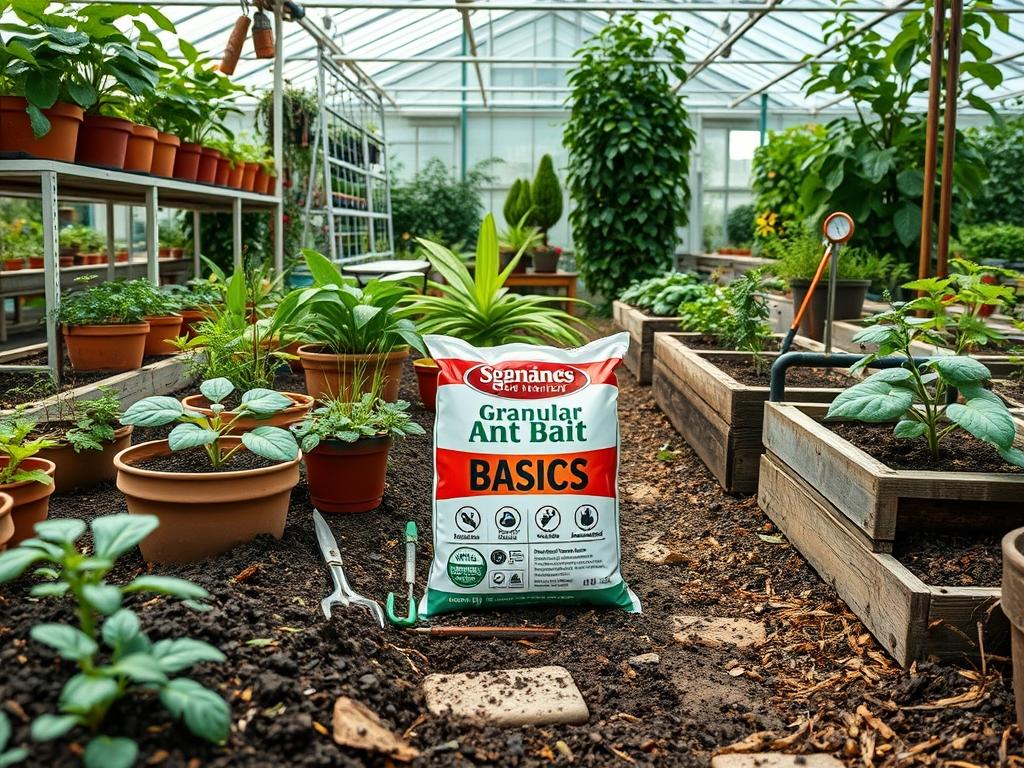
Achieving a pristine, expansive lawn is often the primary objective for any luxury landscape design project, yet maintaining that aesthetic requires more than just high-quality sod and a sophisticated irrigation system. Large-scale properties face unique environmental pressures, particularly when it comes to managing the delicate balance between lush vegetation and the subterranean ecosystems that can disrupt it. One of the most persistent challenges for a landscape architect is the emergence of ant colonies, which can compromise the structural integrity of retaining walls, create unsightly mounds in the middle of a Kentucky Bluegrass vista, and damage the root systems of delicate ornamental plants. For properties covering half an acre or more, traditional contact sprays are often insufficient. This necessitates a shift toward understanding Granular Ant Bait Basics, a methodology that leverages the natural foraging behavior of the insects to eliminate the colony at its source without saturating the entire environment in liquid chemicals.
When we approach a site for its initial assessment, we evaluate the curb appeal and the functional zones of the outdoor space. A well-designed landscape should feel like an extension of the home, offering seamless transitions between hardscaped entertaining areas and soft, verdant play spaces. However, the presence of large ant infestations can deter usage and even lead to structural issues if left unchecked. Granular baits are uniquely suited for these large-scale applications because they are designed to be picked up by worker ants and carried back to the queen. This systemic approach is far more effective in a sprawling environment than localized treatments. It allows the landscape to remain a functional, beautiful space while the solution works quietly beneath the surface, ensuring that the visual balance of the site is never compromised by the yellow patches or cratered soil often caused by large mounds.
Landscape Design Principles
In the realm of high-end landscape architecture, symmetry and focal points dictate how a viewer experiences the space. Whether we are installing a formal English garden or a modern minimalist retreat, the ground plane must remain uniform to support the visual weight of elevation layers and vertical structures. When ants begin to excavate under a limestone paver or within the crevices of a dry-stack stone wall, they introduce air pockets that can lead to shifting and settling. Incorporating an integrated pest management plan into the design phase allows us to consider where these issues might arise, particularly near water sources or dense foliage where ants typically congregate.
Visual balance is not just about the placement of Boxwood hedges or the alignment of a flagstone walkway; it also involves the long-term health of the turf. Large lawns benefit from a strategy that treats the environment as a single, cohesive unit. Irrigation planning must be precise, as excessive moisture often attracts the very pests we are trying to manage. By designing slopes that ensure proper drainage, we can reduce the damp microclimates that encourage ant activity. Furthermore, understanding the “Granular Ant Bait Basics” helps in placing treatments strategically around the perimeter of the lawn, creating a protective barrier that keeps the central focal points of the garden undisturbed.
Plant and Material Selection
The following table outlines high-performance selections for large-scale landscapes that require a balance between aesthetic impact and manageable maintenance levels.
| Plant Type | Sun Exposure | Soil Needs | Water Demand | Growth Speed | Maintenance Level |
| :— | :— | :— | :— | :— | :— |
| Emerald Green Arborvitae | Full Sun | Well-drained | Moderate | Medium | Low |
| Lavender (Munstead) | Full Sun | Sandy/Gravelly | Low | Fast | Medium |
| White Oak | Full Sun/Part Shade | Loamy/Deep | Moderate | Slow | Low |
| Creeping Thyme | Full Sun | Well-drained | Low | Medium | Very Low |
| Japanese Maple | Part Shade | Acidic/Rich | Moderate | Slow | Medium |
| Fountain Grass | Full Sun | Any/Well-drained | Low | Fast | Low |
Implementation Strategy
Planning the layout of a large backyard requires a disciplined approach to grading and soil preparation. Before any native plants can be installed, the site must be leveled to prevent pooling. We typically recommend a grade of one to two percent away from the primary residence to ensure that water moves efficiently toward the perimeter. Once the grading is complete, the application of steel landscape edging provides a crisp line between the turf and the garden beds, which assists in keeping granular treatments contained within their intended zones.
When applying granular bait across a large lawn, we use a broadcast spreader calibrated to the specific weight of the product. This ensures even distribution, which is vital for the foraging ants to find the bait before it degrades. We recommend a layer of mulch at a depth of exactly 3 inches in the surrounding beds. This depth is sufficient to retain moisture for the plants but not so deep that it becomes a primary nesting ground for pests. The goal is to integrate the baiting process into the seasonal “top-dressing” or mulching cycle, making it a seamless part of the landscape maintenance routine. This proactive stance prevents the need for emergency interventions that might damage the established root systems of your specimen trees.
Common Landscaping Failures
The most frequent error we see in large-scale residential projects is improper drainage. When water collects near the foundation or in low spots on the lawn, it creates a mud-silt layer that can suffocate grass and attract moisture-loving ant species like Carpenter or Pavement ants. If the soil is compacted, the granular bait cannot effectively rest on the surface where foragers can find it; instead, it may wash away during the first heavy rain. Designing with French drains or dry creek beds can mitigate these issues, ensuring that the landscape remains dry enough for granular products to remain effective.
Another common failure involves root overcrowding and improper spacing. When plants are placed too closely together, they create a dense, humid canopy that provides the perfect habitat for pests. This overcrowding also makes it difficult for a landscape contractor to apply treatments or check on the health of the soil. Additionally, many homeowners over-irrigate their lawns. This not only wastes water but can actually neutralise many granular baits that are designed to be ingested dry. Professional irrigation systems should be fitted with smart controllers and rain sensors to prevent this kind of environmental inefficiency.
Seasonal Maintenance
Maintenance is an ongoing commitment that changes with the tilt of the earth. In the spring, the focus should be on clean-up and preparation. This is the ideal time to inspect the lawn for new mounds and apply a preliminary round of granular bait as the colonies become active after the winter thaw. Applying a pre-emergent herbicide alongside the bait can help manage weeds before they compete with the grass for nutrients.
During the summer months, the primary goal is hydration and stress management. Large lawns may require deeper, less frequent watering to encourage deep root growth. This is also the peak season for ant activity, so regular monitoring is required. In the autumn, we pivot toward overseeding and aerating. Aeration is particularly important for large properties where foot traffic or equipment might have caused soil compaction. Finally, in the winter, the landscape is put to bed. We focus on protecting the retaining walls from freeze-thaw cycles and ensuring that all irrigation lines are blown out to prevent bursting. While ant activity slows down, the structural work done in the winter ensures a smoother start for the following spring.
Professional Landscaping FAQ
How does granular bait differ from traditional sprays?
Bait is a slow-acting food source that workers carry to the colony nest. Unlike contact sprays that only kill the ants you see, bait targets the queen and the entire hive, providing a more permanent solution for large lawns.
When is the best time to apply bait on a large lawn?
Apply when the ground is dry and no rain is expected for at least 24 hours. Foraging is most active when ground temperatures are between 70 and 90 degrees Fahrenheit, usually in the late spring and summer.
Will granular ant bait harm my ornamental plants?
Most professional-grade granulated baits are designed specifically for insect biology. When applied correctly with a broadcast spreader at the recommended dosage, they do not interfere with the health or growth of native plants or turf species.
How often should I reapply bait to a three-acre estate?
Frequency depends on the severity of the infestation and environmental conditions. Generally, a professional assessment every three months is recommended. Heavy rainfall may necessitate more frequent applications as moisture can cause the bait to dissolve or lose its attractiveness.
Can I use bait near my vegetable garden or fruit trees?
Always check the specific label of the product. Many baits are approved for use around the perimeter of edible gardens, but they should never be applied directly to the foliage or the soil where food is being grown for consumption.