
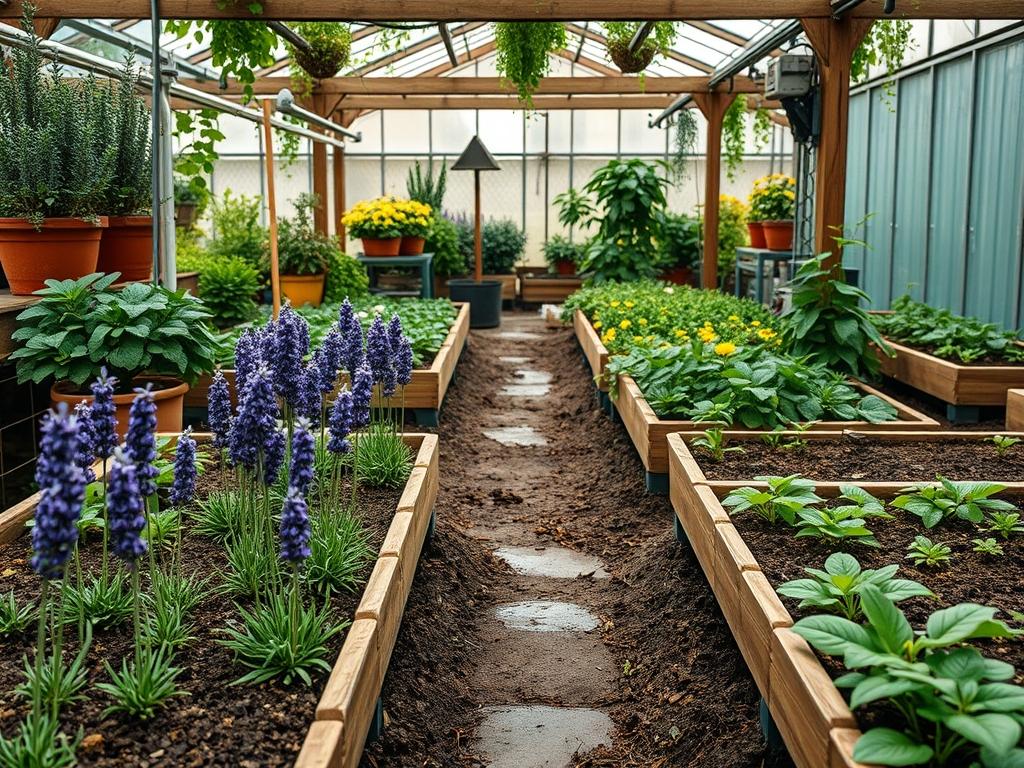
Integrating a cohesive pest management strategy into a high-end landscape design requires a deep understanding of both aesthetics and entomology. Property owners frequently encounter the frustration of aphid-tended ants that undermine the health of prized specimens, creating unsightly mounds and damaging delicate root systems. Lavender Ant Deterrents offer a sophisticated, organic solution that bridges the gap between functional pest control and superior curb appeal. By utilizing specific cultivars of the Lavandula genus, architects can create a sensory experience that defines outdoor living spaces while simultaneously disrupting the pheromone-based communication of common garden ants. This biological approach ensures that the garden remains a sanctuary without the constant need for aggressive chemical interventions that might compromise the local ecosystem or the health of resident fauna.
The efficacy of lavender as a deterrent lies in its complex chemical profile. Most ant species rely on a highly sensitive olfactory system to navigate and maintain social cohesion within the colony. The high concentrations of linalool and camphor found in English Lavender and its hybrids act as a natural repellent. When ants encounter these volatile organic compounds, their ability to track pheromone trails is significantly impaired. This disorientation discourages them from establishing nests within the immediate vicinity of the lavender plants. For a landscape architect, this creates an opportunity to use these plants as tactical barriers around sensitive areas such as outdoor dining patios, pool decks, and entryways where ant activity is particularly undesirable.
Landscape Design Principles
Successful garden planning involving Lavender Ant Deterrents must adhere to core design principles to remain effective over time. Symmetry and focal points are essential for high-end curb appeal. Lavender, with its structural, mounding habit and vertical flower spikes, serves as an excellent mid-layer plant in a tiered landscape. By placing Lavender ‘Phenomenal’ or Lavender ‘Munstead’ at the transition points between hardscaping and softscaping, a designer can create a visual bridge that feels both intentional and natural.
Elevation layers are critical. Because lavender requires exceptional drainage, it is often best utilized in raised beds or atop retaining walls. These elevated positions allow the fragrance to drift more freely at waist height, enhancing the user experience while providing the necessary soil oxygenation for the plant. Visual balance is achieved by pairing the silver-green foliage of the lavender with darker, broad-leafed species or structural evergreens. This contrast highlights the texture of the lavender while framing the perimeter of the terrace or walkway.
Irrigation planning must be precise. Lavender is a xeric-leaning plant that does not tolerate wet feet. Integrating it into a landscape requires a separate irrigation zone or the use of targeted drip emitters that can be managed independently from thirstier turf grass or tropical ornamentals. Furthermore, the layout of walkways should encourage airflow. Congested planting beds create microclimates of high humidity that can lead to fungal issues, neutralizing the plant’s health and its effectiveness as a deterrent.
Plant and Material Selection
Choosing the right variety is the difference between a thriving deterrent and a failed investment. Different cultivars offer varying levels of oil concentration, which directly impacts their ability to repel pests. The following table outlines the most effective options for professional landscaping projects.
| Plant Type | Sun Exposure | Soil Needs | Water Demand | Growth Speed | Maintenance |
| :— | :— | :— | :— | :— | :— |
| English Lavender | Full Sun | Sandy/Gravelly | Low | Moderate | Medium |
| French Lavender | Full Sun | Well-drained | Low | Fast | High |
| Lavender ‘Phenomenal’ | Full Sun | Loamy/Sandy | Low | Fast | Low |
| Lavender ‘Hidcote’ | Full Sun | Alkaline/Poor | Low | Slow | Medium |
| Lavender ‘Grosso’ | Full Sun | Well-drained | Very Low | Fast | Low |
In addition to the plants themselves, the choice of mulch is paramount. Traditional wood mulches can sometimes retain too much moisture against the crown of the lavender, leading to rot. Many landscape architects prefer using pea gravel or crushed granite as a top dressing. These inorganic materials reflect heat back into the foliage, increasing the evaporation of essential oils and boosting the plant’s natural defensive scent.
Implementation Strategy
The process begins with proper grading. A landscape should always slope away from the home’s foundation and primary structures at a minimum of 2 percent grade. For the lavender beds, we often create a “mound” or “berm” strategy. By using a square-point shovel or trenching spade, we excavate the existing soil and replace it with a mixture of topsoil, coarse sand, and 0.5-inch gravel. This ensures that even during heavy seasonal rains, the root zone remains aerated and dry.
Edging provides the clean lines necessary for professional-grade curb appeal. We recommend using steel edging or paving stones to create a distinct boundary between the lavender beds and the surrounding turf. This prevents invasive lawn grasses from encroaching on the lavender and simplifies the maintenance of the 3-inch mulch layer. During installation, the spacing of the plants must account for their mature width. We typically suggest a center-to-center spacing of 24 to 36 inches depending on the cultivar to allow for maximum airflow.
Hardscaping elements, such as flagstone paths or gravel walkways, should be installed before the plants. This prevents soil compaction around the delicate new root systems. Once the plants are in the ground, a deep initial watering is necessary to settle the soil, followed by a strictly monitored schedule until the plants are established.
Common Landscaping Failures
The most frequent failure in using Lavender Ant Deterrents is poor drainage. Lavender is native to the Mediterranean where the soil is often rocky and nutrient-poor. Attempting to grow these plants in heavy clay without significant amendment will result in root rot within a single season. If the soil does not drain at a rate of at least 1 inch per hour, the lavender will likely perish.
Root overcrowding is another significant issue. In a rush to provide an immediate “full” look for a client, designers sometimes pack plants too closely together. This restricts air circulation, leading to powdery mildew and reducing the plant’s ability to produce the essential oils needed for ant deterrence. Furthermore, improper irrigation, such as over-watering or using overhead sprinklers that wet the foliage, can cause the center of the lavender mound to split and die back, ruining the aesthetic symmetry of the garden.
Soil compaction often occurs during the construction phase of a landscape. If heavy machinery is driven over the planting zones, the soil structure is crushed, preventing the deep root penetration lavender requires. Using a garden rake to regularly fluff the top layer of soil or incorporating perlite during the initial planting can mitigate some of these compaction issues.
Seasonal Maintenance
Spring is the time for rejuvenation. As soon as new growth appears, use bypass pruners to trim back the foliage by about one third. This prevents the plant from becoming excessively woody and encourages a flush of new, oil-rich leaves that enhance the Lavender Ant Deterrents’ efficiency. This is also the time to inspect the irrigation system for leaks or clogged emitters.
During the summer, maintenance focuses on deadheading. Removing spent flower spikes encourages the plant to continue producing foliage and keeps the garden looking polished. In periods of extreme heat, a light, deep watering once every ten days is usually sufficient.
Autumn requires a reduction in water and a final cleanup of any fallen debris. Avoid heavy pruning during this time, as any new growth stimulated by the pruning may be killed by the first frost. Winter protection is necessary in colder climates. Applying a layer of evergreen boughs or a specialized frost cloth can protect the crown from extreme temperature fluctuations. In particularly wet winter regions, ensuring the drainage channels are clear of leaves is the most important task to prevent winter rot.
Professional Landscaping FAQ
How long does it take for lavender to start deterring ants?
The deterrent effect begins as soon as the plant’s essential oils are present in the foliage. However, it becomes most effective once the plant reaches maturity and the scent profile is fully established, usually after the first full growing season.
Can lavender grow in heavy clay soil?
Only if the soil is heavily amended. Architects must incorporate coarse sand, gravel, and organic matter to a depth of 12 inches to ensure the drainage is sufficient. Without these modifications, the lavender will likely suffer from root rot.
Does lavender repel all types of ants?
It is most effective against common garden ants and scouting ants for larger colonies. While it is a powerful deterrent, it should be part of a broader integrated pest management strategy for significant infestations or wood-destroying species like carpenter ants.
How much sun does lavender actually need?
Lavender requires a minimum of 6 to 8 hours of direct sunlight daily. In shaded areas, the plant will become leggy, produce fewer blooms, and the concentration of repellent oils will drop, making it an ineffective ant deterrent.
Will mulch attract ants even if I plant lavender?
Wood-based mulches can occasionally attract ants looking for moisture. To enhance the deterrent effect, use pea gravel or river rock as mulch around the lavender. This creates a dry, hot environment that ants find inhospitable.