
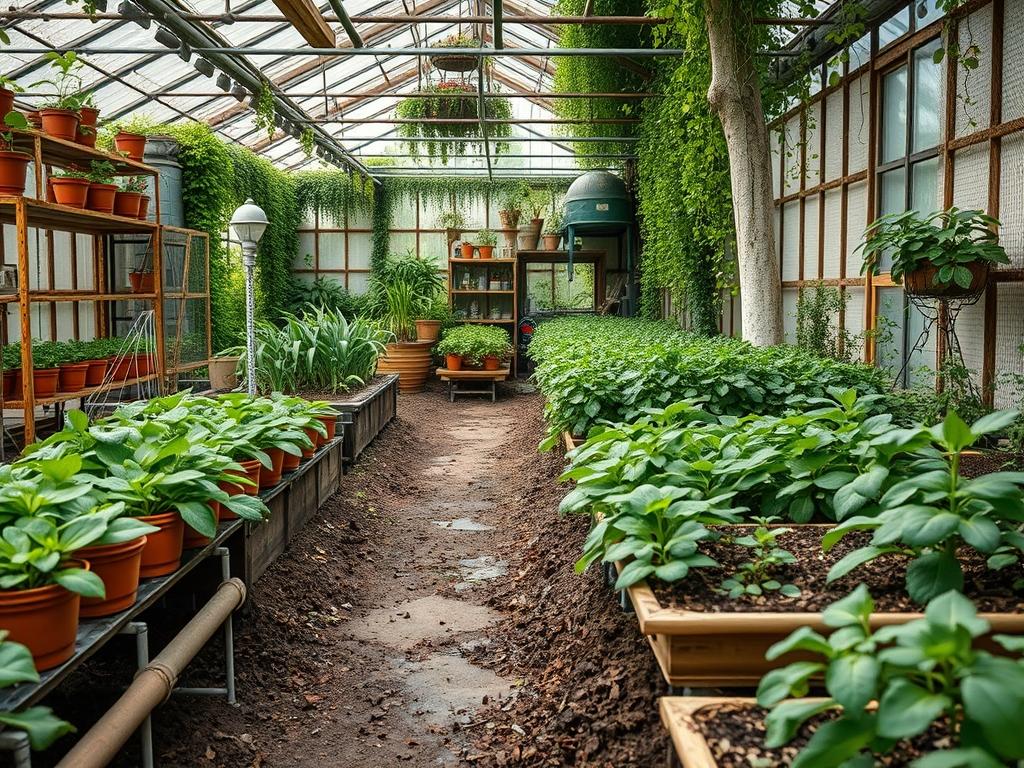
Modern landscaping involves far more than simply placing greenery adjacent to a structure. It requires an intricate understanding of the local ecosystem, topography, and the biological interactions that occur within a garden. One of the most significant challenges for any property owner is maintaining a pristine aesthetic while managing the inevitable presence of pests. Traditional methods often rely heavily on synthetic chemicals, which can degrade soil health and harm beneficial organisms. However, sophisticated outdoor environment consultants are increasingly looking toward biological solutions that integrate naturally into the landscape. One such method involves leveraging Weaver Ant benefits to maintain the health of canopy trees and surrounding shrubs. These predatory insects act as a natural security force, protecting high value specimens from more destructive intruders like leaf miners and caterpillars. By designing a landscape that supports these beneficial insects, you create a self sustaining environment that minimizes the need for rigorous chemical intervention while maximizing curb appeal and outdoor functionality.
Achieving a professional finish in your outdoor living space requires a balance between structural integrity and horticultural health. In climates where biological control is viable, the layout of the garden must provide the necessary infrastructure for these natural systems to thrive. This means considering how elevation, moisture levels, and plant density affect the movement of both beneficial and harmful insects. A well planned landscape does not just look good; it functions as a living machine. When we integrate biological controls like weaver ants into the design, we are acknowledging that a garden is a dynamic workspace. These ants require specific nesting sites and access to diverse floral resources, which can be seamlessly incorporated into a luxury landscape plan.
Landscape Design Principles
When conceptualizing a high end landscape, symmetry and focal points serve as the visual anchor of the property. A central retaining wall or a perfectly placed specimen tree can draw the eye and establish the garden signature style. However, professional design also considers the vertical layers of the environment. Elevation layers are critical because different plants and insects occupy different niches within the garden. For instance, the upper canopy of a Mango tree or Citrus tree provides a protected environment for weaver ants to build their nests. By selecting trees with dense foliage, you provide the structural framework needed for these insects to establish colonies. These ants then patrol the branches, effectively eliminating various beetles and moths that would otherwise damage the foliage.
Focal points should be supported by a sense of visual balance that extends to the ground level. This includes the strategic placement of walkways and pavers that allow for human movement without disturbing the root zones of key plants. Irrigation planning is another fundamental pillar of professional design. An efficient drip irrigation system ensures that water reaches the roots directly, reducing the surface humidity that can lead to fungal growth. Proper irrigation also keeps the host plants healthy, which in turn supports the populations of beneficial insects. If a tree becomes stressed due to poor watering, it becomes more susceptible to pests, and the weaver ant benefits are largely negated by the overwhelming pressure of scale insects or aphids.
Plant and Material Selection
The following table outlines the diverse plant materials often used in landscapes that benefit from integrated pest management strategies. Selecting the right species for your specific climate and soil type is the first step toward a low maintenance, high reward garden.
| Plant Type | Sun Exposure | Soil Needs | Water Demand | Growth Speed | Maintenance Level |
| :— | :— | :— | :— | :— | :— |
| Citrus limon | Full Sun | Well-drained | Moderate | Medium | High |
| Mangifera indica | Full Sun | Loamy/Sandy | Low to Moderate | Fast | Moderate |
| Buxus microphylla | Partial Shade | Loam | Moderate | Slow | Low |
| Lagerstroemia | Full Sun | Adaptable | Low | Fast | Medium |
| Pennisetum | Full Sun | Sandy | Low | Fast | Very Low |
| Ficus benjamina | Full Sun | Rich Loam | Moderate | Fast | High |
Selecting high quality materials goes beyond just the plants. Using premium hardwood mulch or river rock can significantly impact the moisture retention of your soil. Geotextile fabric laid beneath pathways prevents weed growth while allowing the soil to breathe. When focusing on Weaver Ant benefits, the choice of trees is paramount. These ants prefer trees with large, flexible leaves that they can weave together to create their distinctive nests. Integrating Citrus trees or Fruit trees into a landscape not only provides edible harvests but also creates the ideal habitat for these biological defenders.
Implementation Strategy
The successful implementation of a garden plan starts with proper grading. Proper site grading ensures that water flows away from the home foundation and toward designated drainage areas. Before any plants go into the ground, use a manual transit or a laser level to verify the slopes. Once the grading is complete, the installation of edging materials like powder-coated aluminum or corton steel helps define the borders between mulch beds and turf areas. This separation is vital for a clean, professional look and prevents grass from encroaching on your ornamental beds.
After the hardscaping is in place, the focus shifts to soil preparation. Incorporating organic compost into the top 12 inches of soil provides the nutrients needed for fast establishment. When planting, ensures the root flare is visible and not buried too deep. For trees intended to house weaver ants, space them so that their canopies will eventually touch or overlap. This creates a bridge for the ants, allowing them to move throughout the landscape without descending to the ground where they are more vulnerable. Apply a 3-inch layer of wood chips or pine bark mulch around the base of plants to regulate soil temperature and suppress weeds. Finally, ensure your irrigation controller is programmed to reflect the specific needs of each zone, adjusting for seasonal changes in evaporation rates.
Common Landscaping Failures
One of the most frequent mistakes in residential landscaping is poor drainage planning. When water pools around the base of a tree, it leads to root rot and eventual death. This is particularly problematic for integrated pest management because a dying tree cannot support a healthy colony of beneficial insects. Another common failure is root overcrowding. Property owners often plant for immediate impact without considering the mature size of the shade trees or shrubs. When roots become compacted and overgrown, they compete for limited resources, leading to a stunted and sickly appearance.
Soil compaction is another silent killer of luxury landscapes. Heavy equipment used during construction often mashes the soil, removing the air pockets necessary for root respiration. Without adequate oxygen, the microbial life in the soil dies off, and the plants suffer. Similarly, irrigation inefficiencies can cause significant damage. Overwatering is just as harmful as underwatering; it can lead to nutrient leaching and an increase in pest populations like fungus gnats. Finally, many people fail to realize that over reliance on broad spectrum insecticides actually makes pest problems worse. By killing off the weaver ants and other predators, you allow secondary pests to multiply without any natural opposition.
Seasonal Maintenance
Gardening is a year round commitment that changes with the weather. In the spring, the focus should be on pruning and fertilization. Use a bypass pruner to remove any dead or diseased wood from your deciduous trees. This is also the best time to apply a balanced granular fertilizer to support new growth. As the weather warms up in the summer, monitoring irrigation becomes the priority. Ensure that the emitters are not clogged and that the water is reaching the correct depth. This is also when Weaver Ant benefits are most visible, as they actively patrol for summer pests like caterpillars.
During the autumn, it is time to prepare the landscape for the colder months. This involves raking leaves to prevent them from smothering the turf or harboring mold. It is also an ideal time to add a fresh layer of mulch to insulate the roots. In the winter, maintenance moves to structural care. Protect sensitive plants from frost using burlap wraps if necessary. For those utilizing biological controls, avoid using harsh chemicals during the winter dormant season to ensure that the beneficial insect populations can return in the spring. Consistent, proactive care ensures that the landscape remains a healthy, vibrant extension of your home.
Professional Landscaping FAQ
How do weaver ants specifically help my garden?
They are aggressive predators that hunt and remove common pests like caterpillars, beetles, and leafhoppers. By patrolling the canopy, they protect the foliage and fruit of your trees, reducing the need for chemical pesticides in your landscape.
Can weaver ants damage my ornamental trees?
Weaver ants are generally harmless to the trees themselves. They use silk to bind leaves together for nests. While this may slightly distort a few leaves, the overall health benefits provided by their pest control far outweigh any minor aesthetic impact.
What is the best way to improve soil drainage?
Installing a French drain or a dry creek bed can effectively direct excess water away from planting zones. Additionally, incorporating organic matter and using a garden fork to aerate compacted areas will significantly improve water infiltration rates.
Why is native plant selection important for pest control?
Native plants are adapted to the local environment and usually require fewer resources to thrive. They often have symbiotic relationships with local beneficial insects, including various types of predatory ants, which helps maintain a natural ecological balance.
How often should I refresh my garden mulch?
You should typically add a new layer of mulch once or twice a year. This maintains a consistent 3-inch depth, which is essential for moisture retention, weed suppression, and providing a stable environment for the soil microbes that support plant health.