
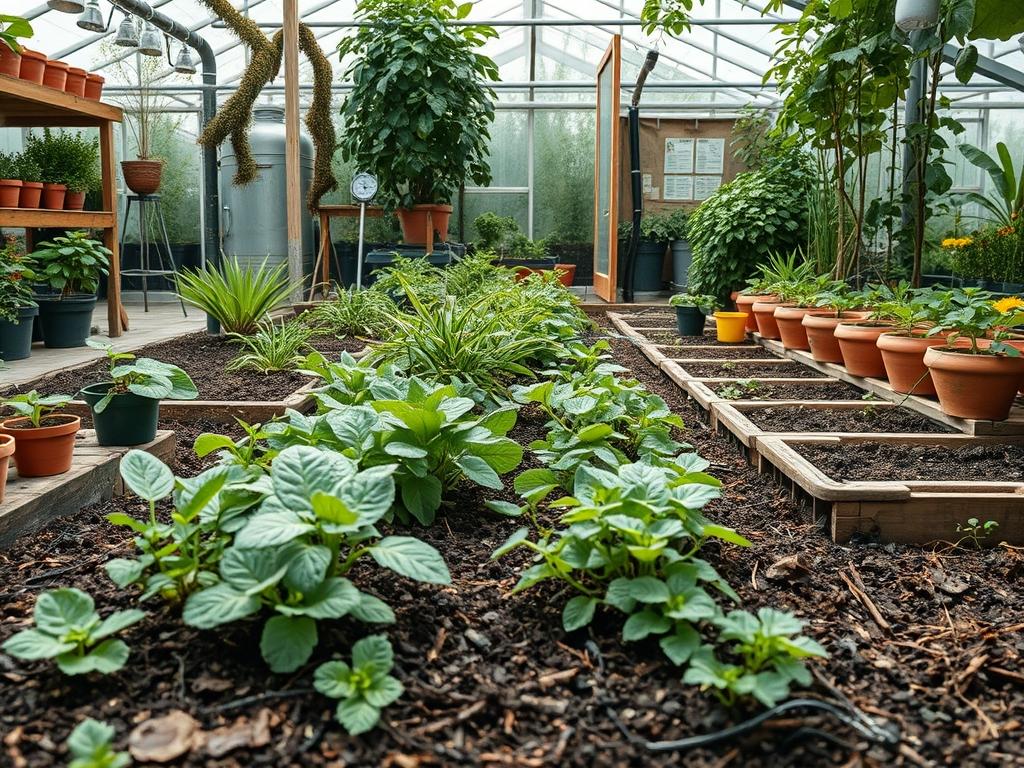
Managing a residential landscape requires a delicate balance between aesthetic perfection and biological stability. Most homeowners prioritize a clean, manicured look characterized by sharp lawn edges and uniform shrubbery, yet this sterile approach often invites an influx of destructive pests. When we design high end outdoor environments, we must consider the functional ecology of the site. A garden that looks beautiful but requires constant chemical intervention is a failing system. By integrating parasitic wasp habitats into your yard, you are installing a sophisticated, self regulatory mechanism that targets crop destroying insects without the need for synthetic toxins. These beneficial insects, most of which are far too small to sting humans, serve as the premier biological control agents in professional landscape management.
Effective landscape architecture seeks to maximize the utility of every square foot. Integrating these habitats does not mean sacrificing curb appeal. On the contrary, the nectar producing plants required by these wasps often provide the diverse textures and colors that professional designers use to create visual interest. You are not just planting flowers; you are building an infrastructure of predation. This strategic approach minimizes the long term cost of maintenance and ensures that your ornamental investments, such as expensive Japanese maples or prize roses, remain protected from the defoliation caused by aphids and caterpillars. The goal is a landscape that works for you, maintaining its structural integrity and health through natural cycles rather than constant human correction.
Landscape Design Principles
To successfully support parasitic wasp populations, we apply the same design principles used in high level urban planning: symmetry, focal points, and resource layering. Symmetry allows us to frame these biological zones within the broader context of the yard. By placing nectar rich floral borders behind structured boxwood hedges or along retaining walls, we create a sense of intentionality. The wasp habitat becomes a purposeful design element rather than an overgrown patch of weeds. This visual framing is essential for maintaining high curb appeal in sophisticated neighborhoods where a wild appearance might be frowned upon.
Elevation layers are equally critical in garden planning. Parasitic wasps require varied heights to navigate and hunt effectively. We design specifically with a three tier vertical structure: the ground cover layer, the mid level herbaceous layer, and the canopy. Low growing plants provide thermal cover and moisture, while the mid level flowers offer the concentrated sugar sources necessary for adult wasp metabolism. Focal points, like a central stone birdbath or a decorative limestone boulder, serve as navigational landmarks for these insects and aesthetic anchors for the human eye.
Irrigation planning must be precise. These habitats do not thrive in bone dry environments or oversaturated bogs. We utilize drip irrigation systems buried beneath the mulch to deliver consistent hydration directly to the root zones. This keeps the foliage dry, which reduces fungal risks, while ensuring that nectar production remains high even during the peak heat of summer. Walkways should be planned to allow for easy access to these zones for seasonal pruning without compacting the soil, as many beneficial insects spend part of their life cycle in the upper crust of the earth.
Plant and Material Selection
The following selection focuses on plants that offer accessible nectar, as many parasitic wasps have short mouthparts and require shallow, open flowers.
| Plant Type | Sun Exposure | Soil Needs | Water Demand | Growth Speed | Maintenance Level |
| :— | :— | :— | :— | :— | :— |
| Sweet Alyssum | Full Sun | Well-drained | Moderate | Fast | Low |
| Yarrow | Full Sun | Lean/Dry | Low | Moderate | Low |
| Dill | Full Sun | Loamy | Moderate | Fast | Moderate |
| Fennel | Full Sun | Rich/Moist | Moderate | Fast | Moderate |
| Zinnia | Full Sun | Fertile | Moderate | Fast | Low |
| Goldenrod | Full/Partial | Versatile | Low | Moderate | Low |
| Coriander | Partial Sun | Light/Sandy | Moderate | Fast | Moderate |
Implementation Strategy
Implementing a parasitic wasp habitat begins with site grading and drainage assessment. You must ensure that the designated area does not collect standing water, which can drown soil dwelling larvae and promote root rot. Once the topography is stabilized, use steel edging or natural stone to define the perimeter of the habitat. This creates a psychological boundary that signals the area is a managed part of the landscape.
The soil should be amended with organic compost to improve tilth, but avoid high nitrogen fertilizers that produce excessive foliage at the expense of flowers. When planting, group your species in “drifts” rather than single units. This creates a concentrated scent profile that attracts wasps from greater distances. After planting, apply a layer of hardwood mulch at a depth of exactly 2 inches. This thickness is sufficient to suppress weeds and retain moisture, yet thin enough to allow ground nesting species to access the soil.
If your yard includes hardscaping, incorporate flagstone pavers within the garden beds. These stones act as heat sinks, warming up early in the morning and providing the insects with the thermal energy they need to begin hunting. For vertical interest and additional habitat, consider installing a trellis with light flowering vines. This expands the footprint of your habitat without occupying more square footage in the yard.
Common Landscaping Failures
The most frequent mistake in landscape management is over mulching. Homeowners often pile mulch in “volcanoes” around tree trunks or deep layers in beds, which creates an anaerobic environment. This suffocates the soil and prevents beneficial wasps from emerging or nesting. Another common failure is the use of broad spectrum insecticides. These chemicals do not discriminate; a single application intended for ants can wipe out your entire population of parasitic wasps, leading to a secondary pest outbreak when the “bad” bugs return without their natural predators.
Improper spacing also leads to failure. When plants are crowded too tightly, airflow is restricted, leading to powdery mildew and other pathogens. This degrades the quality of the nectar and makes the habitat less attractive to beneficial insects. Furthermore, poor irrigation timing can be detrimental. Watering in the middle of the day can scorch delicate petals, while evening watering can leave plants damp overnight, inviting slugs and fungal growth. Irrigation should be scheduled for the early morning hours to allow for optimal absorption and surface drying.
Seasonal Maintenance
Spring maintenance involves clearing away the heaviest debris while being careful not to disturb the soil too deeply. Many wasps overwinter in hollow plant stems or just below the leaf litter. Carefully prune back dead perennials, but leave a few inches of stubble to provide nesting sites. This is also the time to check your irrigation emitters for clogs and refresh the mulch in areas where the soil has become exposed.
During the summer, the focus shifts to hydration and deadheading. Removing spent blooms encourages the plants to produce a continuous supply of nectar throughout the season. Monitor your plants for signs of pest activity; seeing a few aphids is actually a good sign, as it means there is food available for your wasp population. If a specific plant becomes overwhelmed, use a sharp stream of water to dislodge the pests rather than reaching for a chemical spray.
Autumn requires a shift toward preservation. Instead of a “scorched earth” cleanup, allow some fallen leaves to remain in the garden beds. This organic matter provides vital insulation for the next generation of wasps. Avoid tilling the soil in the fall, as this disrupts the life cycle of ground nesting species. In winter, maintenance is primarily structural. Use this time to repair retaining walls, sharpen your pruning shears, and plan for any necessary additions to the garden layout for the following year.
Professional Landscaping FAQ
Will these wasps sting my family or pets?
No. Most parasitic wasps are microscopic and lack the defensive stinging instinct found in social wasps like yellowjackets. They are focused entirely on finding host insects for their eggs and pose no threat to humans or animals.
How do I know if the wasps are actually working?
Look for “mummified” aphids or cocoons on the backs of caterpillars. For example, if you see a tomato hornworm covered in small white bumps, those are wasp larvae. This indicates a successful, self sustaining biological control system.
Can I still use a lawn service for my grass?
Yes, but you must instruct them to avoid overspraying herbicides or pesticides near your habitat zones. Maintain a 3 foot buffer of untreated space between the treated turf and your beneficial insect plantings to prevent chemical drift.
What is the best mulch for these specific habitats?
Use a coarse, natural cedar or hardwood mulch. Avoid dyed mulches, like red or black varieties, which may contain contaminants. Keep the layer thin, approximately 2 inches, to allow ground access for beneficial soil organisms.
Do I need a large yard for this to work?
Not at all. A well designed 50 square foot bed filled with the right nectar plants can support a robust population of parasitic wasps. Even large containers on a patio can serve as effective resource nodes in smaller urban environments.