
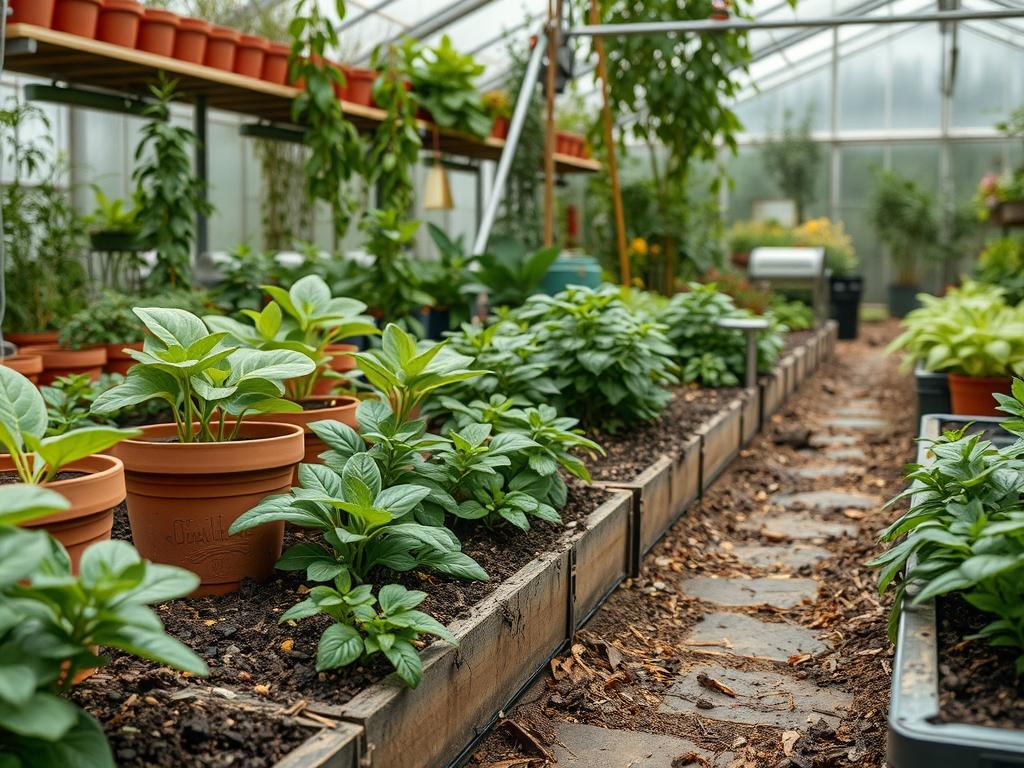
Creating a high-end landscape requires more than an eye for color and texture; it demands a deep understanding of the local ecology and the practical safety requirements of the site. When designing outdoor environments in regions where native fauna can pose a risk to residents, the role of the landscape architect becomes one of a risk manager. The presence of aggressive insects, specifically the bull ant, necessitates a strategic approach to garden planning that prioritizes human safety without sacrificing aesthetic value. A well-executed plan enhances curb appeal by using structure and form, but it also ensures that the functional zones of a property remain clear of territorial nests. By integrating specific Bull Ant Safety Tips into the design phase, property owners can enjoy their outdoor living spaces with peace of mind. The challenge lies in balancing dense, lush plantings with clear, traversable pathways that do not inadvertently provide the perfect nesting grounds for stinging insects.
Climate considerations play a pivotal role in how we architect these environments. In arid or temperate zones where bull ants thrive, the choice of ground cover and irrigation management significantly impacts pest density. An over-saturated garden bed can attract various insects, while a dry, sandy site might invite bull ants to excavate their complex underground tunnels. Therefore, the landscaping professional must look at the soil profile and the drainage capacity of the land. Our goal is to create a resilient environment that reflects the homeowner’s lifestyle. This means designing for functionality, where the transition from a patio to a lawn is marked by clear boundaries and high-visibility zones. This visibility is the first line of defense in safety, allowing occupants to spot potential hazards before they become a medical emergency.
Landscape Design Principles
Symmetry and focal points are the anchors of any professional landscape. In a safety-conscious design, symmetry is used to create predictable movement patterns. By aligning wide walkways with the primary entrances of the home, we direct foot traffic away from secluded garden corners where bull ants are most likely to establish mounds. We utilize focal points, such as a large granite boulder or a high-quality water feature, to draw the eye and provide a structured center to the garden. This organization prevents the “wild” look that often camouflages nest entrances.
Elevation layers are another essential principle. By utilizing retaining walls made of concrete blocks or natural stone, we can create tiered garden beds. This vertical separation keeps the more active, untamed parts of the garden away from the level planes used for walking and dining. From a safety perspective, elevated beds make it easier to inspect the soil for the telltale signs of entrance holes, which are often surrounded by small mounds of excavated dirt.
Irrigation planning must be precise. We aim for deep, infrequent watering cycles rather than light, daily misting. This encourages plants to grow deep root systems and keeps the top 2 inches of soil relatively dry and less hospitable for surface-dwelling insects. Walkways should be constructed with a slight 2 percent grade to ensure that water sheds quickly. Visual balance is achieved by pairing sturdy, structural plants with softer ground covers, ensuring there are no dark, damp, or overly cluttered areas where a nest could go unnoticed for months.
Plant and Material Selection
| Plant Type | Sun Exposure | Soil Needs | Water Demand | Growth Speed | Maintenance Level |
| :— | :— | :— | :— | :— | :— |
| Lomandra longifolia | Full Sun to Shade | Well-Drained | Low | Moderate | Low |
| Grevillea hookeriana | Full Sun | Sandy/Loamy | Moderate | Fast | Medium |
| Westringia fruticosa | Full Sun | Tolerant | Very Low | Moderate | Low |
| Callistemon viminalis | Full Sun | Moist/Clay | Moderate | Fast | Medium |
| Dianella caerulea | Part Shade | Rich/Loamy | Low | Moderate | Low |
| Trachelospermum jasminoides | Full Sun/Shade | Standard | Moderate | Fast | High |
Implementation Strategy
The first step in garden layout planning is professional grading. We use a laser level to ensure the site sheds water away from the foundation and high-traffic social zones. Once the grading is established, we install a heavy-duty geotextile fabric beneath all hardscape areas. This fabric acts as a barrier, preventing ants from pushing through the joints of permeable pavers or flagstone. For the edging, we recommend steel garden edging or concrete curbing that sits at least 4 inches deep. This creates a physical root and insect barrier between the lawn and the garden beds.
When laying out mulch, depth is a critical factor. We suggest a consistent 3-inch layer of hardwood mulch or pine bark. Avoid using excessively fine mulches that can compact and create a warm, insulating blanket for nests. In areas known for high ant activity, replacing organic mulch with crushed gravel or river pebbles is a superior choice. These materials do not break down, they provide excellent drainage, and they are far less attractive to burrowing insects.
Hardscaping should focus on wide, clear spans. If using stone pavers, we fill the joints with polymeric sand, which hardens when wetted to prevent weeds and insects from penetrating the gaps. For drainage, we install 4-inch perforated pipes wrapped in filter socks to move excess water to a designated dry well or storm drain. This prevents the soil saturation that can lead to structural instability and increased pest presence.
Common Landscaping Failures
One of the most frequent mistakes in residential landscaping is poor drainage. When water pools on a property, it softens the soil and attracts a variety of pests that bull ants prey upon, effectively turning your backyard into a hunting ground. Another failure is root overcrowding. When plants are spaced too closely, they create a dense canopy that traps moisture and limits visibility. This makes it nearly impossible to implement basic Bull Ant Safety Tips, such as visual nest inspections.
Improper spacing of large trees can also lead to soil compaction and root heaving, which creates cracks in the ground that serve as ready-made tunnels for colonies. We often see homeowners use too much organic matter in their soil mix, which can turn into a spongy substrate that is easy for ants to navigate. Finally, irrigation inefficiencies, such as leaky drip emitters or broken sprinkler heads, create localized “oases” that encourage nests to form right next to the house foundation or patio edges.
Seasonal Maintenance
In the spring, the focus should be on pruning and clearing. Use a pair of bypass pruners to lift the skirts of shrubs at least 6 inches off the ground. This increases airflow and allows you to เห็น (see) any new mounds appearing at the base of the plants. Apply a fresh layer of coarse mulch if the existing layer has thinned.
During the summer, bull ant activity is at its peak. This is the time for vigilant observation. One of the best Bull Ant Safety Tips is to check the garden at dusk or early morning when the ants are most active. Ensure your LED landscape lighting is positioned to illuminate paths clearly. Keep the lawn mown to a height of 2.5 inches to minimize hiding places.
In autumn, leaf litter removal is the priority. Use a leaf blower or a stiff rake to clear debris quickly. Decomposing leaves provide warmth and protection for nests during the cooler months. In winter, focus on hardscape repairs. Inspect the asphalt or paver joints for any cracks and fill them with cold-patch compound or jointing sand to prevent the colony from expanding as temperatures drop.
Professional Landscaping FAQ
How can I identify a bull ant nest in my garden?
Look for a small mound of finely granulated soil or a hole roughly 1 inch in diameter. These are often located in dry, sandy patches or at the base of structural elements like timber sleepers or retaining walls.
What is the safest way to remove a nest?
Professional pest control is recommended for large colonies. For landscape prevention, disrupting the soil with a garden fork and improving drainage can make the area less attractive. Always wear leather gloves and protective boots when working near suspected areas.
Which mulch is best for discouraging ants?
Inorganic mulch, such as crushed granite, river rock, or scoria, is the most effective. If you prefer organic options, use large-grade pine bark or cedar chips, as they are less likely to compact and provide less insulation.
Can certain plants naturally repel bull ants?
While no plant is a total repellent, species with high essential oil content, like Lavender or Rosemary, are less attractive to many insects. However, maintaining clear sightlines and low ground-level density is more effective for safety than plant selection alone.
How wide should my garden pathways be for safety?
Professional standards suggest pathways should be at least 36 to 48 inches wide. This allows people to walk comfortably without brushing against foliage where bull ants may be foraging, significantly reducing the risk of accidental stings.