
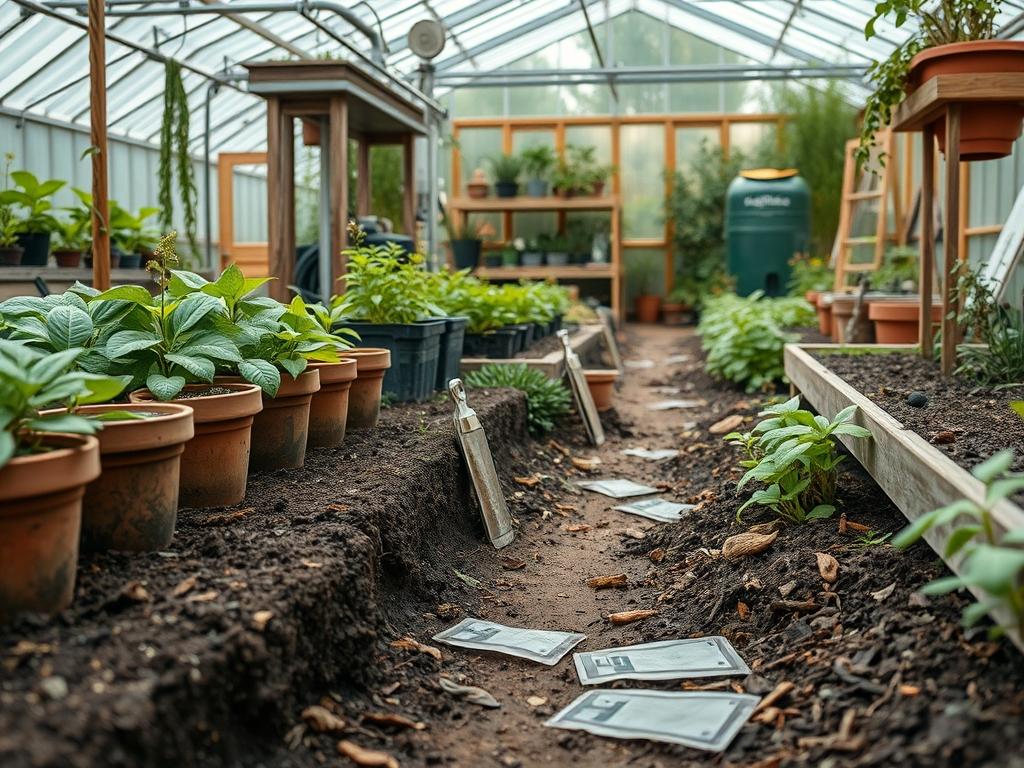
Designing a functional outdoor environment involves more than selecting aesthetically pleasing flora and arranging stones. It requires a deep understanding of site specific variables, ranging from soil chemistry to the local entomology that can impact human health and safety. In many regions, particularly across Australia, a significant component of site analysis involves Jack Jumper Ant Basics. These insects, known scientifically as Myrmecia pilosula, are not merely a nuisance; they represent a significant medical priority in landscape design due to their aggressive nature and the high prevalence of allergic reactions to their venom. A professional landscape must balance the desire for curb appeal with the practical necessity of creating a safe, navigable space. This involves strategic grading to manage moisture, the selection of hardscaping materials that discourage nesting, and a layout that keeps high traffic areas clear of natural habitat zones. By integrating safety protocols into the initial planning phase, a designer can ensure that the final environment serves its occupants without compromising health or comfort.
Landscape Design Principles
A successful landscape relies on a foundation of structural integrity and visual continuity. The first principle focuses on symmetry and balance, which directs the eye through the property and creates a sense of order. In high risk areas, we utilize visual balance to establish clear boundaries between wilder, native garden beds and manicured social spaces. This is achieved through the use of retaining walls and raised planters. By elevating the plantings, we can control the soil environment and limit the encroachment of ground dwelling insects into seating areas.
Elevation layers are not only for aesthetics; they play a critical role in drainage management. A professional design ensures that all water flows away from the primary structure and social hubs. We often utilize French drains or bioswales to capture runoff. The placement of walkways should follow the most logical path of travel to prevent soil compaction in planting beds. When designing these paths, selecting large-format pavers with narrow, mortared joints is preferable. This construction method minimizes the available space for ants to build nests, which is a core part of managing Jack Jumper Ant Basics in a residential setting.
Irrigation planning must be precise. Over-saturated soil can attract various pests, while overly dry, sandy soil provides the perfect substrate for jumper ant mounds. We recommend subsurface drip irrigation systems. These deliver water directly to the root zones of native shrubs, reducing surface moisture that might encourage unwanted insect activity. Each zone should be calibrated to the specific needs of the plant material, ensuring that the hydrozones are clearly defined and managed.
Plant and Material Selection
The following table outlines recommended plant species that offer high aesthetic value while remaining resilient in environments where safety and maintenance are priorities.
| Plant Type | Sun Exposure | Soil Needs | Water Demand | Growth Speed | Maintenance Level |
| :— | :— | :— | :— | :— | :— |
| Lomandra longifolia | Full Sun / Shade | Well-Drained | Low | Moderate | Very Low |
| Callistemon viminalis | Full Sun | Clay / Loam | Moderate | Fast | Medium |
| Grevillea robusta | Full Sun | Sandy / Loam | Low | Fast | Low |
| Westringia fruticosa | Full Sun / Part Shade | Any | Moderate | Fast | Low |
| Dianella caerulea | Part Shade | Rich Loam | Moderate | Moderate | Low |
| Anigozanthos | Full Sun | Sandy / Well-Drained | Low | Fast | Medium |
When selecting materials, basalt and granite are excellent choices for hardscaping due to their durability and density. For mulch, we prefer coarse wood chips or river pebbles over fine-grained barks. Fine barks tend to break down quickly and create a soft, sandy environment that attracts burrowing insects. A depth of 3 inches of mulch is standard to suppress weeds and retain necessary moisture for the plants.
Implementation Strategy
The implementation of a professional landscape begins with accurate grading. Using a transit level, the contractor must verify that the slope of the land carries water at a minimum two percent grade away from the home. Once the site is shaped, the layout of the hardscaping begins. This involves excavating the base for patios and walkways, followed by the installation of a compacted road base and a layer of bedding sand.
After the structural elements are in place, we focus on edging. A clean edge between the lawn and the garden beds is vital. We use steel edging or concrete curbing to prevent grass from invading the beds, which also simplifies the process of identifying any ant activity near the home. When planting, the root ball of each specimen should be placed at the same depth it was in the nursery container. We then apply slow-release fertilizer and the selected mulch to the entire area.
For clients concerned with Jack Jumper Ant Basics, the implementation phase also includes a “clear zone” strategy. This involves a 12-inch gravel buffer between the house foundation and the start of any organic mulch or vegetation. This buffer acts as a deterrent and makes it easier to spot nest entrances, which usually appear as small, inconspicuous holes surrounded by a thin layer of fine soil or seeds.
Common Landscaping Failures
One of the most frequent errors in landscaping is soil compaction. During construction, heavy machinery can crush the pore spaces in the soil, preventing oxygen and water from reaching plant roots. This leads to stunted growth and poor drainage. Another common failure is improper spacing. Homeowners often plant for immediate effect, forgetting that a Grevillea or Callistemon will double or triple in width within three years. Overcrowding leads to poor air circulation and promotes fungal diseases.
Irrigation inefficiencies are also prevalent. Many installers place spray heads in locations where they over-water the hardscaping instead of the plants. This wastes water and can cause efflorescence on stone surfaces. Furthermore, neglecting the mulch depth can lead to issues; too little mulch allows weeds to thrive, while more than 4 inches can suffocate the soil and harbour pathogens. Finally, failing to account for the local fauna, such as the Jack Jumper ant, can lead to a landscape that is beautiful but uninhabitable for people with severe allergies.
Seasonal Maintenance
Spring: This is the primary growing season. Applications of liquid seaweed and dynamic lifter help stimulate root growth. It is also the time to inspect the irrigation system for leaks and clear any debris from drainage grates.
Summer: Focus turns to water management. Increased heat requires more frequent monitoring of soil moisture levels. We recommend a deep soak every few days rather than light daily watering. Pruning of deadheads from flowering plants will encourage a second bloom cycle.
Autumn: This is the ideal time for aeration and top-dressing the lawn. Removing the build up of thatch allows nutrients to reach the soil. It is also the time to plant new specimens, as the soil is still warm but the ambient temperature is lower.
Winter: Maintenance shifts to structural pruning and tool care. Many native plants require a light prune to maintain their shape. It is also a critical time to monitor for any new ant mounds that may appear as the surrounding vegetation thins out.
Professional Landscaping FAQ
How do I identify a Jack Jumper Ant nest?
Look for small, discreet openings in the soil, often surrounded by tiny pebbles or seeds. They are commonly found in sunny, well-drained spots or under the edges of landscape timbers and pavers.
Is organic mulch better than stone mulch?
Organic mulch improves soil quality over time but requires replenishment. Stone mulch is permanent and better for drainage. For allergy safety, stone mulch is often preferred near the home to discourage nesting.
Why is my drainage system failing?
Check for silt accumulation in your catch basins or root intrusion in the PVC pipes. Improper grading during initial installation is also a common culprit for standing water.
When should I prune my native shrubs?
Most Australian natives respond best to pruning immediately after their primary flowering season. This promotes a bushier habit and prevents the plant from becoming “leggy” or thin at the base.
How can I make my garden safer for children?
Utilize raised garden beds and ensure all retaining walls over 3 feet have appropriate railings. Remove high-allergen plants and maintain a clear, paved perimeter around play areas to minimize insect contact.