
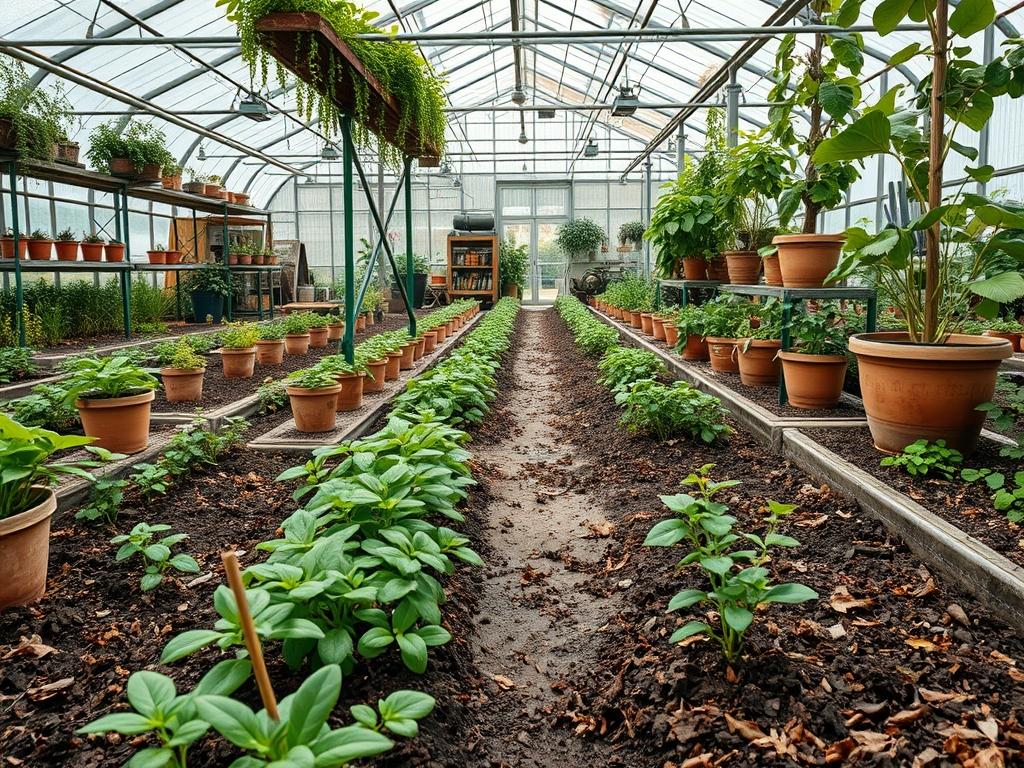
The structural integrity and aesthetic value of a greenhouse depends heavily on the stability of its foundation and the health of its internal environment. When considering the challenge of Ants in Greenhouse Floors, a landscape architect must view the issue as both a biological nuisance and a structural risk. These insects are attracted to the controlled, warm micro-climates of glass-enclosed structures, where they often establish expansive subterranean colonies. These colonies can tunnel through sand bases, undermine stone pavers, and displace the leveling substrates required to keep glass panels aligned. Managing this requires a holistic approach that integrates site drainage, material selection, and botanical barriers to ensure the greenhouse remains a functional focal point of the outdoor living space. Proper planning ensures that the transition between the lush exterior landscape and the productive interior remains seamless and free of invasive disruptions.
Landscape Design Principles
Successful greenhouse planning begins with site elevation and the concept of a dry perimeter. In landscape architecture, the goal is to prevent the greenhouse from becoming a low point where moisture accumulates, as damp soil is a primary attractant for several ant species. Elevating the structure on a concrete plinth or a reinforced gravel pad provides a physical barrier and improves the visual hierarchy of the garden. Symmetry plays a role here; a well-placed greenhouse can act as a terminal focal point for a main garden axis, but its functionality is compromised if the flooring is unstable.
Visual balance is achieved by surrounding the greenhouse with materials that harmonize with the main residence while serving a functional purpose. For example, using a compacted stone dust perimeter helps with drainage and limits the proximity of soft soil to the structure. Irrigation planning is also critical. If overhead sprinklers or drip lines are positioned too close to the greenhouse threshold, they create a moisture gradient that invites ants to move from the garden into the floor of the greenhouse. Using a hardscaped “apron” around the exterior—specifically one made of paving stones or river rock—can create a thermal and moisture break that discourages insect migration.
Plant and Material Selection
Choosing the right materials for the floor and the surrounding plant palette is the most effective way to manage Ants in Greenhouse Floors without relying solely on chemical interventions. Below is a selection of materials and plants that contribute to an ant-resistant greenhouse environment.
| Plant or Material Type | Sun Exposure | Soil Needs | Water Demand | Growth Speed | Maintenance Level |
| :— | :— | :— | :— | :— | :— |
| Peppermint | Full Sun to Part Shade | Moist, well-drained | Moderate to High | Fast | High (Invasive) |
| Lavender | Full Sun | Sandy, alkaline | Low | Moderate | Low |
| Chrysanthemums | Full Sun | Rich, loamy | Moderate | Moderate | Moderate |
| Catnip | Full Sun | Average, dry | Low | Fast | Low |
| Crushed Granite | N/A | N/A | N/A | N/A | Very Low |
| Polymeric Sand | N/A | N/A | N/A | N/A | Low |
| Diatomaceous Earth | N/A | N/A | N/A | N/A | High (Re-apply) |
Using Polymeric Sand between floor pavers is a professional-grade strategy. Unlike standard play sand, this material contains binders that harden when wetted, creating a mortar-like joint that ants cannot tunnel through. For the perimeter, planting Lavender or Chrysanthemums provides a natural botanical deterrent. Chrysanthemums are particularly effective because they contain pyrethrum, a natural insect repellent often used in organic pest control products.
Implementation Strategy
The process of constructing an ant-resistant floor begins with thorough site preparation. First, excavate the greenhouse footprint to a depth of 8 inches. This allows for the installation of a multi-layered drainage and barrier system. The first layer should consist of 4 inches of 3/4-inch clean crushed stone, which provides excellent drainage and a stable base for the structure. Over this, lay a high-quality geotextile landscape fabric. This fabric acts as a mechanical barrier, preventing ants from easily moving from the sub-soil into the floor layers above.
Once the fabric is in place, add a 2-inch layer of compacted stone dust or decomposed granite. Use a plate compactor to ensure the surface is perfectly level. This level of compaction is vital; ants prefer loose, aerated soil, and a highly compacted substrate makes it difficult for them to establish tunnels. If the design calls for pavers, lay them tightly together and fill the joints with Polymeric Sand. This sand must be swept into the cracks and then lightly misted with water to activate the hardening agents.
For greenhouses with gravel floors, consider mixing in Diatomaceous Earth with the top layer of Pea Gravel. This powdery substance is made of fossilized algae and acts as a mechanical desiccant that eliminates ants on contact by piercing their exoskeletons. It is a non-toxic method that remains effective as long as it stays dry. Finally, ensure the exterior grading slopes away from the greenhouse at a rate of 1/4-inch per foot to dictate water flow away from the foundation.
Common Landscaping Failures
One of the most frequent mistakes in greenhouse management is improper drainage leading to soil saturation. When water pools around the base of a structure, it softens the ground and creates a perfect habitat for ant colonies to expand. Many homeowners also fail to account for the “bridge effect,” where ornamental plants or mulch are placed directly against the greenhouse walls. This allows ants to bypass floor barriers and enter through vents or wall gaps. Keeping a valencia stone or gravel border of at least 12 inches around the entire perimeter prevents this.
Another failure is the use of organic mulches like wood chips inside or immediately adjacent to the greenhouse. Organic mulch retains moisture and decomposes over time, providing both a food source and a nesting site for pests. In professional landscaping, we prefer non-organic mulch such as lava rock or crushed slate for areas near greenhouses. Finally, many planners overlook the threshold. If the door frame does not meet the floor with a tight seal, ants will find their way in regardless of the floor material. Using a silicone sealant and a metal threshold can close these entry points permanently.
Seasonal Maintenance
Maintaining a pest-free greenhouse requires a disciplined seasonal schedule. In the spring, inspect the perimeter for any signs of “mounding,” which indicates new colonies are forming. This is the time to refresh the Polymeric Sand in paver joints if any cracks have appeared over the winter. As the weather warms, monitor irrigation lines for leaks. A single pinhole leak in a poly-tube can create a localized moisture zone that attracts thousands of ants within days.
During the summer, focus on botanical health. Prune back any Peppermint or Lavender that has become too woody, as the aromatic oils are most potent in new growth. If you are using Diatomaceous Earth, check its consistency; if it has become clumped or buried under debris, clear the area and re-apply a fresh layer. In autumn, clear away fallen leaves and dead plant matter from the greenhouse apron. Decomposing organic matter is a magnet for insects looking for overwintering sites.
Winter is the time for structural audits. Cold temperatures often cause the ground to heave, which can create new gaps in the floor or around the baseboards. Use a caulk gun to seal any fresh openings. Check the interior humidity levels as well. Even in winter, a greenhouse can remain humid, and ants may remain active if the floor provides a warm, damp environment. Keeping the floor swept and free of spilled potting soil or organic fertilizers will remove the food sources that sustain colonies during the colder months.
Professional Landscaping FAQ
What is the best floor material to prevent ants?
Highly compacted stone dust topped with pavers and polymeric sand is the most effective. The hard, sealed surface prevents ants from tunneling up from the soil while providing a durable, level surface for garden activities.
Does mulch attract ants to a greenhouse?
Yes, organic mulches like wood chips or bark retain moisture and provide nesting material. Architects recommend using river rock or crushed granite as a perimeter mulch to create a dry, inhospitable barrier for insects.
Can I use plants to stop ants from entering?
Strongly scented herbs like lavender, peppermint, and rosemary act as natural deterrents. While they will not eliminate an existing infestation, they help mask food scents and discourage ants from crossing the greenhouse threshold.
How deep should the greenhouse base be?
A professional base should be at least 6 to 8 inches deep. This includes a layer of compacted gravel for drainage and a weed barrier fabric to prevent biological intrusion from the soil below.
Is standing water a factor in ant infestations?
Absolutely. Poor drainage creates soft soil and easy access to hydration. Proper grading and the use of French drains or catch basins are essential to keep the greenhouse floor dry and ant-free.