
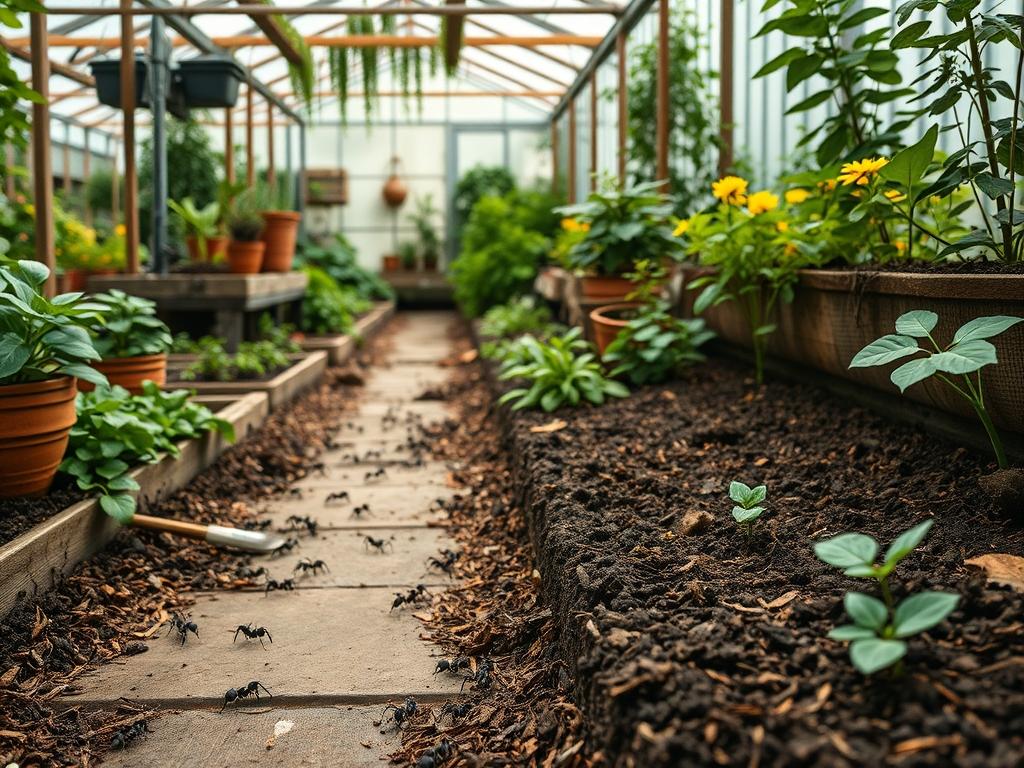
Maintaining a professional landscape requires a delicate balance between aesthetic appeal and ecological management. When we specify Organic Mulch for a high-end residential or commercial project, we do so to provide a finished look that enhances curb appeal while simultaneously regulating soil temperature and moisture. However, the very characteristics that make mulch beneficial for Native Plants also make it an ideal sanctuary for various insect colonies. Ants in mulch beds are one of the most frequent challenges reported by property owners. These insects are attracted to the stable microclimate created by layers of Wood Chips or Shredded Bark. While ants play a role in soil aeration, their presence in large numbers can compromise the structural integrity of Hardscaping or lead to infestations within the nearby residence. Understanding the intersection of soil science and entomology is crucial for any designer aiming to create a functional, low-maintenance outdoor environment.
The presence of ants is often a symptom of the environment rather than a random occurrence. In many climates, the cooling effect of a 2 inch or 3 inch layer of mulch provides a refuge from the heat of the sun. Furthermore, moisture retention is a primary goal of any Irrigation Planning strategy, yet excessive dampness in the sub-surface layers of the bed creates a prime breeding ground. Ants are not typically there to eat the mulch itself; instead, they use it as a protective canopy while they forage for food or tend to aphids on nearby Ornamental Shrubs. As consultants, we view the garden as a system where every material choice, from the Edging to the specific species of Groundcover, dictates the type of biological activity that will occur. Properly managing these beds involves more than just chemical intervention; it requires a strategic approach to landscape design that discourages nesting through physical and botanical means.
Landscape Design Principles
Architectural symmetry and visual balance are the hallmarks of a well-executed landscape, but these principles must also account for the movement of local fauna. When we design garden transitions, we often use Focal points such as large Specimen Trees or Sculptural Boulders to draw the eye. To prevent these areas from becoming hubs for ant activity, we must consider the elevation and slope of the beds. High-relief mounds or tiered planters created with Retaining Walls can improve drainage, making the soil less hospitable for species that prefer damp, compacted earth. By varying the elevation layers, we create natural barriers and change the thermal profile of the ground, which can disrupt the preferred nesting patterns of many common garden ants.
Walkways and paths serve a dual purpose in this context. While they provide essential connectivity and define the outdoor living space, they also act as strategic “firewalls” against insect migration. A wide path constructed of Crushed Granite or Sand-set Pavers creates a dry, exposed zone that ants are less likely to cross compared to a continuous stretch of moist mulch. We also emphasize the importance of Irrigation placement during the design phase. Subsurface Drip Irrigation is often preferred over overhead sprays because it delivers water directly to the root zones of Plants, leaving the top layer of mulch significantly drier. This dry “crust” on the mulch surface is far less attractive to scouting ants than a perpetually soaked environment.
Plant and Material Selection
The following table outlines specific materials and botanical choices that can mitigate ant populations while maintaining the aesthetic standards of a professional landscape design.
| Plant or Material Type | Sun Exposure | Soil Needs | Water Demand | Growth Speed | Maintenance Level |
| :— | :— | :— | :— | :— | :— |
| Cedar Mulch | N/A | High Drainage | Low | N/A | Moderate |
| Lavender (Lavandula) | Full Sun | Well-drained | Low | Medium | Low |
| Peppermint (Mentha) | Full to Part Sun | Moist | Medium | Fast | Moderate |
| Marigolds (Tagetes) | Full Sun | Adaptable | Medium | Fast | Low |
| Chrysanthemums | Full Sun | Rich / Loamy | Medium | Medium | Moderate |
| River Rock | N/A | N/A | None | N/A | Very Low |
Selecting the right mulch material is the first line of defense. We frequently recommend Cedar Mulch because it contains natural thujone, a chemical compound that acts as a natural deterrent for many insects. While it is more expensive than standard Hardwood Mulch, the long-term benefits for pest management often justify the initial investment. In areas where ant activity is traditionally high, swapping organic materials for Inorganic Mulch like Lava Rock or Pea Gravel around the foundation of the home creates a “dead zone” that prevents pests from transitioning from the garden into the structure.
Implementation Strategy
The successful implementation of an ant-resistant landscape begins with meticulous site preparation. First, the Grading must be checked to ensure that water moves away from the building foundation and toward designated Drainage areas. We begin by clearing the site of all debris and old, decaying organic matter. Using a Square-point Shovel, we cut sharp edges for the beds, which helps contain the mulch and creates a clean visual line. A standard Landscape Fabric or Geotextile can be laid down before mulching; however, we often advise against this in heavily planted beds as it can trap moisture and encourage shallow ant tunneling directly beneath the cloth.
Once the layout is established, the application of mulch must be precise. Using a Levelling Rake, we spread the material to a consistent depth of no more than 3 inches. We pay special attention to the “crown” of the plants, ensuring that the mulch does not touch the stems or trunks. This technique, often called “donut mulching,” prevents rot and reduces the chance of ants using the plant as a bridge to reach higher foliage. If a property has a history of ant issues, we may incorporate a thin layer of Diatomaceous Earth or Boric Acid powder beneath the mulch surface during the installation process. This provides a mechanical barrier that is non-toxic to pets and humans but lethal to crawling insects. Finally, the installation of Metal Edging or Stone Borders provides a structural finish that simplifies future maintenance and provides a clear boundary for the mulch beds.
Common Landscaping Failures
One of the most prevalent errors in residential landscaping is “volcano mulching,” where material is piled high against the base of trees. This not only suffocates the root flare but also creates a protected vertical highway for ants and other pests to enter the canopy. Soil compaction is another significant failure point. When soil becomes too dense, water can no longer penetrate the lower horizons, leading to stagnant moisture in the mulch layer above. This creates a humid sanctuary for ants. To fix this, we use a Core Aerator or a Garden Pitchfork to fracture the soil before adding new mulch, ensuring proper gas exchange and water movement.
Root overcrowding and improper spacing also contribute to the problem. When Shrubs are planted too closely together, they create a dense, shaded canopy that prevents the mulch from drying out after rain or irrigation. This lack of airflow results in a permanently damp environment. Furthermore, many homeowners neglect their Irrigation systems, allowing leaks or misaligned heads to saturate specific areas of the garden. A single leaking Emitter can provide enough water to sustain a massive ant colony through the driest months of the summer. Professional maintenance requires a seasonal audit of all hydraulic components to ensure that water is being delivered efficiently and only where it is needed.
Seasonal Maintenance
Landscape management is a year-round commitment that changes with the local climate. In the Spring, the primary task is to fluff the existing mulch using a Culturvator or Hand Rake. This breaks up any fungal mats and aerates the material, making it less hospitable for insect nests. It is also the ideal time to apply a fresh 1 inch top-dressing of Cedar Mulch to replenish the natural insect-repelling oils. As we move into Summer, the focus shifts to moisture management. We monitor the beds for any signs of “pioneer” ant trails and adjust Irrigation timers to ensure that the beds have sufficient time to dry out between watering cycles.
In Autumn, the removal of fallen leaves is essential. Organic debris that settles on top of the mulch provides a secondary layer of insulation and food that ants use to overwinter. By clearing this debris with a Power Blower or Leaf Rake, we expose the mulch to the colder air, which can help naturally reduce the insect population. During the Winter months, the landscape consultant’s role is primarily observation. We look for any signs of soil erosion or “heaving” caused by frost, which can create new crevices for ants to occupy in the following spring. Maintaining a clean edge on the beds during the dormant season also ensures that the transition between the lawn and the garden remains a difficult boundary for pests to navigate.
Professional Landscaping FAQ
How deep should my mulch beds be to avoid attracting ants?
To discourage nesting, keep your mulch depth between 2 and 3 inches. Piling mulch deeper than this creates a dark, moist, and insulated environment that is highly attractive to queen ants looking to establish a new colony.
Does specific wood mulch actually repel ants?
Yes, Cedar Mulch and Cypress Mulch contain natural resins and oils like thujone that are offensive to ants. While these won’t eliminate an existing heavy infestation, they are effective deterrents for new colonies compared to standard dyed hardwoods.
Can irrigation adjustments reduce ant populations?
Absolutely. Switching to Drip Irrigation or a Soaker Hose buried beneath the mulch keeps the surface dry. Ants prefer moist environments for their eggs, so a dry top layer makes the bed much less desirable for nesting.
Will ants in my mulch beds damage my plants?
Generally, ants do not eat plants. However, they protect aphids and scale insects, which do damage foliage, because ants harvest the “honeydew” these pests secrete. Controlling ants often helps naturally reduce these other plant-damaging insect populations.
Should I use landscape fabric to stop ants?
Landscape fabric is generally ineffective against ants. In fact, many species prefer to build their galleries in the protected space directly between the soil and the fabric. Properly maintained mulch and well-drained soil are better deterrents than synthetic barriers.