
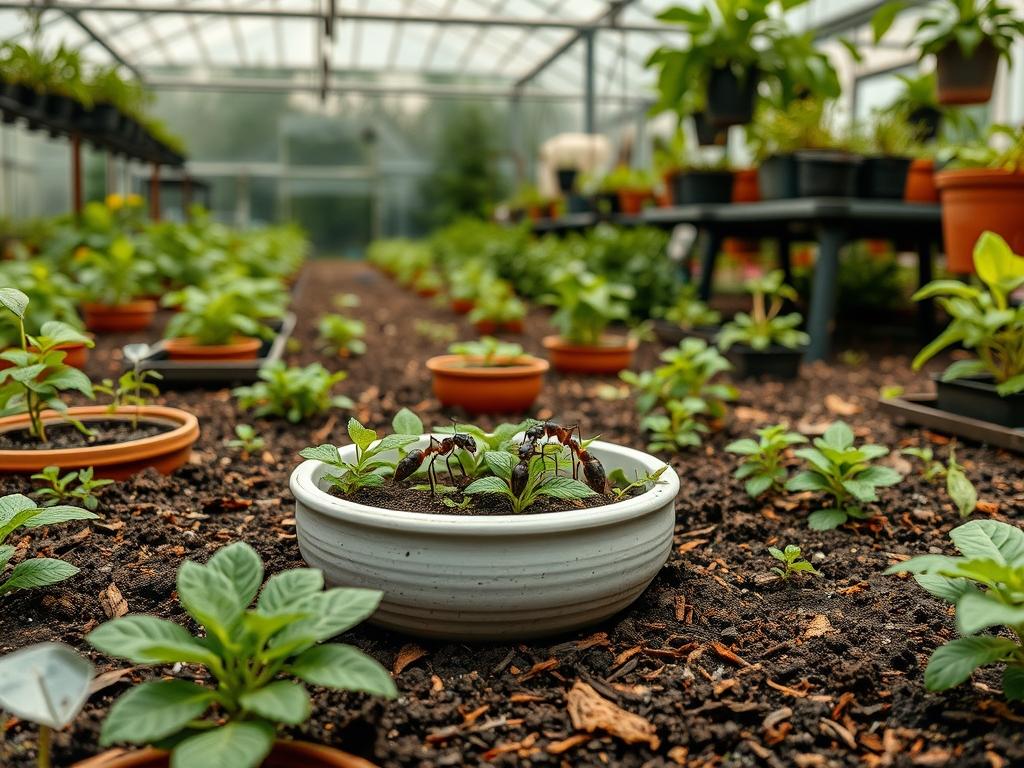
The integration of pet management into a professional landscape design requires a deep understanding of entomology and site drainage. High-end outdoor living spaces are often compromised when the local ecosystem encroaches upon functional zones, specifically where food and water are provided for domestic animals. Addressing ants in pet bowls is not merely a household chore; it is an exercise in managing the micro-environment of your backyard. When we design a master plan, we must consider how the movement of insects is influenced by the moisture levels of the soil, the type of mulch used in planting beds, and the proximity of the “home base” for foraged resources. By applying structural landscape solutions, we can create a permanent barrier that eliminates the need for chemical intervention while maintaining the aesthetic integrity of the property.
Effective pest management begins with an analysis of the site’s curb appeal and functionality. A well-placed feeding station, designed with a built-in water moat, acts as a functional sculpture within the garden. This prevents the unsightly view of scattered plastic bowls and the subsequent ant trails that can mar the appearance of a custom stone patio. A permanent feeding plinth, integrated into the hardscape, allows for superior drainage and cleanliness. It ensures that the transition between your manicured lawn and your outdoor social zones remains professional and inviting.
Landscape Design Principles
Successful landscape architecture relies on the principles of symmetry and focal points to guide the eye and manage traffic flow. When planning a pet feeding area that incorporates an ant-proof moat, we use elevation layers to create a distinct separation between the ground plane and the feeding surface. Raising the feeding station approximately six to twelve inches above the grade prevents crawling insects from stumbling upon the food by chance. This vertical change also allows us to hide mechanical elements, such as a dedicated water line for the moat, within a hollow stone or brick pedestal.
Visual balance is achieved by matching the materials of the feeding station to the existing hardscape. If your garden features Pennsylvania Blue Stone, the water moat should be carved from a matching slab or framed with the same stone. Irrigation planning is also vital; we must ensure that the humidity near the feeding station is kept low. Ants are attracted to moisture. By using a “dry-bed” design strategy around the station, using materials like pea gravel or decomposed granite, we reduce the environmental signals that draw colonies toward the porch or patio. Furthermore, the use of straight lines and clear margins in the walkway design helps homeowners spot any early signs of ant activity before it becomes an infestation.
Plant and Material Selection
The selection of flora around a pet zone serves two purposes: aesthetic enhancement and natural pest deterrence. We select plants with high essential oil content that naturally discourage foraging insects while thriving in the local soil profile.
| Plant Type | Sun Exposure | Soil Needs | Water Demand | Growth Speed | Maintenance Level |
| :— | :— | :— | :— | :— | :— |
| Lavender (Lavandula) | Full Sun | Well-Drained | Low | Moderate | Low |
| Peppermint (Mentha) | Partial Shade | Moist/Loamy | High | Fast | High (Invasive) |
| Rosemary (Salvia rosmarinus) | Full Sun | Sandy/Dry | Low | Moderate | Low |
| Marigolds (Tagetes) | Full Sun | Average | Moderate | Fast | Moderate |
| Pennyroyal (Mentha pulegium) | Partial Sun | Damp | High | Fast | Moderate |
| River Rock (Inert Material) | N/A | N/A | N/A | N/A | Very Low |
| Cedar Mulch (Inert Material) | N/A | N/A | N/A | N/A | Moderate |
For the construction of the moat itself, we recommend non-porous materials such as polished granite or stainless steel. These materials prevent the accumulation of biofilm and are easy to sanitize. Avoid using porous pavers for the actual water reservoir, as lime leaching can alter the pH of the water and cause staining of the stone over time.
Implementation Strategy
The implementation of an ant-proof feeding zone starts with proper site grading. The area must be sloped at a two percent grade away from the home’s foundation to ensure that any overflow from the water moat does not pool near the walls. Begin by excavating a small footprint for the base. Fill this with four inches of compacted 21A limestone to provide a stable, level foundation that resists frost heave and settling.
Once the base is set, install a vapor barrier to prevent ground moisture from rising through the pedestal. This keeps the area dry and less attractive to insects. For the moat itself, we recommend a “basin-in-basin” design. The outer basin holds approximately one inch of water, surrounding the inner platform where the food bowl sits. Use polymeric sand in the joints of any surrounding pavers to create a hard, impenetrable seal that prevents ants from nesting directly underneath the feeding zone. Finally, apply a three-inch layer of cedar mulch in the surrounding garden beds. Cedar contains natural oils like thujone, which act as a broad-spectrum repellent for many crawling insects.
Common Landscaping Failures
One of the most frequent errors in garden planning is improper drainage. If a water moat is placed in a low spot of the yard, it will collect runoff and organic debris, turning a pest-control feature into a breeding ground for mosquitoes. We also see many homeowners struggle with root overcrowding. Planting large shrubs too close to a stone feeding station can lead to roots lifting the masonry, breaking the level of the moat, and allowing the water to spill out.
Another failure is the use of standard hardware-store mulch. Often, cheap mulch is composed of shredded pallets or softwoods that decompose rapidly, creating a warm, moist environment that ants find irresistible. This is known as soil compaction and organic decay. Furthermore, irrigation inefficiencies, such as spray heads that hit the feeding station directly, will lead to hard water stains and a constant state of dampness that invites larger pests like slugs and snails.
Seasonal Maintenance
Landscape management is a year-round commitment. In the spring, focus on refreshing the barrier zones. This involves raking back old mulch and checking the grading of the soil. Apply a fresh layer of cedar chips and prune any overhanging branches that may act as “bridges” for ants to bypass the water moat.
During the summer, the primary task is monitoring the water level in the moat. High evaporation rates can dry out the barrier in a single afternoon. We recommend a low-flow drip irrigation emitter directed into the moat to keep it topped off automatically. In autumn, the priority shifts to debris removal. Falling leaves can fall into the moat and create a physical bridge for ants to cross. Clear all leaf litter daily from the feeding zone. Finally, in winter, if you live in a climate where the ground freezes, drain the moat to prevent ice expansion from cracking the stone or metal basin. Use this time to inspect the masonry for any cracks that need silicone caulk or mortar repair.
Professional Landscaping FAQ
How deep should a water moat be to stop ants?
A depth of one half inch is usually sufficient to deter most common garden ants. However, it is the width that matters most. A one inch gap between the outer rim and the bowl pedestal generally prevents ants from reaching the food.
Can I use salt in the water moat?
We discourage the use of salt or harsh chemicals in the moat. If a pet drinks from the moat, salt can lead to dehydration or illness. Clean, fresh water is the safest and most effective deterrent when maintained correctly.
Does mulch type affect ant populations near pet areas?
Yes. Ants prefer damp, decaying hardwoods. Using aromatic cedar or cypress mulch provides a natural repellent effect. Avoid using “free” mulch from unknown sources, as it may already be infested with colonies or contain high moisture levels.
How do I integrate a moat into a pre-existing patio?
The best way is to use a matching stone plinth that sits on top of the pavers. This avoids the need to cut into the existing hardscape while providing the necessary elevation to keep the feeding zone clean and insect-free.
Is a water moat effective against flying insects?
No, a water moat is specifically designed to stop crawling insects like ants. To manage flying pests, we recommend planting citronella or lavender nearby and ensuring there is no stagnant water or rotting organic matter in the vicinity.