
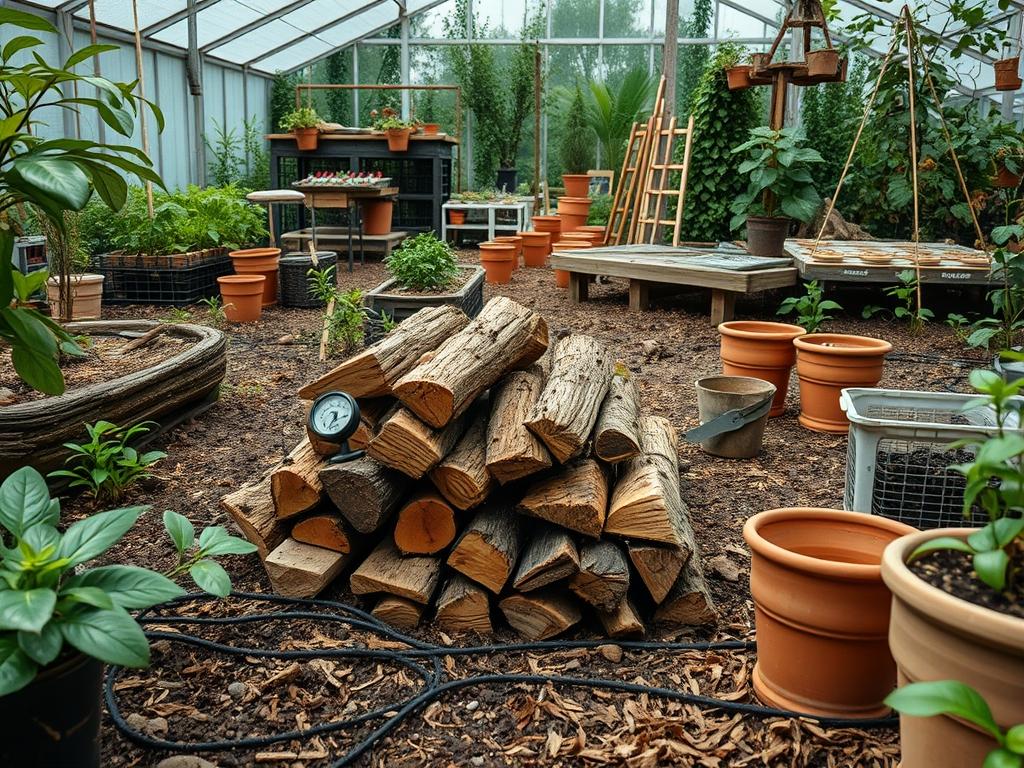
Integrating a functional wood storage area into a residential landscape represents a delicate balance between utility and structural protection. Homeowners often prioritize convenience by stacking logs against a garage wall or near a back porch, yet this proximity creates a direct bridge for wood-destroying organisms. An effective landscape design acknowledges the necessity of fuel storage while treating it as a distinct, isolated zone. By placing wood at least 20 feet away from the home foundation, you preserve the integrity of your siding and sill plates. Ants in Firewood Piles are more than just a seasonal nuisance; they are indicators of moisture and decay that can easily migrate if the storage area is physically linked to the primary residence. Professional landscape architects view firewood management as a component of the broader site drainage and pest mitigation strategy.
The aesthetic challenge involves camouflage and accessibility. A pile of logs can disrupt the flow of a perfectly manicured backyard if it appears as an afterthought. To maintain curb appeal, architects often utilize natural screening or dedicated structures that complement the home’s exterior palette. The goal is to create a station that is accessible via a solid walkway, preventing the compaction of lawn soil during the wet winter months. When we design these spaces, we look at the topography and wind patterns. High ground ensures that the base of the pile remains dry, while proper orientation allows the prevailing winds to move through the stack, accelerating the seasoning process and making the wood less attractive to colony-building insects.
Landscape Design Principles
Symmetry and visual balance are the hallmarks of a well-considered outdoor space. When introducing a wood storage component, it should be treated as a focal point or a balanced utility feature. We often use the rule of thirds to place storage sheds or racks, ensuring they do not occupy the center of a primary sightline. Integrating a secondary focal point, such as a localized planting bed or an ornamental garden gate, can draw the eye away from the utilitarian nature of the logs. Elevation layers are equally important. By elevating the wood pile on a raised platform or a stone plinth, we create a clear break between the organic material and the soil.
Irrigation planning must be meticulously adjusted around firewood zones. Over-spray from oscillating heads or poorly aimed pop-up sprinklers can saturate the wood, leading to fungal growth and inviting Ants in Firewood Piles. We recommend a dry-zone radius of at least five feet around any wood rack. Walkways should be constructed from Permeable Pavers or Crushed Limestone to ensure that foot traffic does not result in muddy depressions. These hardscaping choices also serve as a thermal barrier. Stone absorbs heat during the day and releases it at night, helping to keep the storage area clear of excess humidity.
Plant and Material Selection
Selecting the right biological and structural materials around a wood storage area can deter pests and enhance the visual landscape. The following table provides a guide for plants and materials that work well in these transition zones.
| Plant or Material Type | Sun Exposure | Soil Needs | Water Demand | Growth Speed | Maintenance Level |
| :— | :— | :— | :— | :— | :— |
| Lavender (Lavandula) | Full Sun | Sandy, Well-drained | Low | Moderate | Low |
| Boxwood (Buxus) | Partial to Full | Loam | Medium | Slow | Moderate |
| Creeping Juniper | Full Sun | Poor to Average | Low | Moderate | Low |
| Western Red Cedar | Full Sun | Moist but Drained | Medium | Moderate | Low |
| Steel Edging | N/A | Variable | N/A | N/A | Low |
| River Rock | N/A | N/A | N/A | N/A | Low |
Using Native Plants like Switchgrass or local varieties of Salvia can provide a soft screen that requires minimal intervention. We avoid using heavy Mulch immediately adjacent to wood piles because wood-based mulches provide a continuous highway for insects. Instead, River Rock or Pea Gravel provides a clean, inorganic perimeter that breaks the pest cycle.
Implementation Strategy
The construction of a professional-grade firewood storage area begins with proper site grading. Using a Manual Rake and a Level, the technician should ensure the ground slopes away from the site at a two percent grade. This prevents water from pooling beneath the rack, which is the primary cause of rot and the eventual arrival of Ants in Firewood Piles. Once the grade is established, a layer of Landscape Fabric should be pinned down to suppress weeds. Above this, we apply a four-inch base of 3/4 inch Clean Stone. This provides the necessary drainage and a stable foundation for the rack.
For the structure itself, we utilize Pressure-treated 4x4s to create a frame that sits at least six inches off the ground. This elevation is non-negotiable for airflow. The use of Galvanized Hardware ensures the structure resists corrosion. To finish the area, we install Steel Edging around the perimeter of the stone base to keep the gravel contained and give the utility zone a crisp, professional border. This separation creates a “dead zone” for pests, making it difficult for them to travel from the wood pile to the surrounding turf or garden beds.
Common Landscaping Failures
The most frequent error in residential firewood management is the lack of air circulation. When piles are stacked too densely or pushed against a solid fence, moisture stays trapped in the center of the stack. This creates a soft, pulp-like environment that is perfect for carpenter ants. Another failure is soil contact. Even high-quality Oak or Hickory will decay rapidly if it touches the earth. This decay releases pheromones that attract wood-boring insects and can decimate a wood supply in a single season.
Improper spacing between the pile and other landscape features can also lead to issues. If a wood pile is placed too close to a Retaining Wall, the wall can trap moisture and heat, creating a micro-climate conducive to pest activity. Furthermore, irrigation inefficiencies often result in “wet feet” for the wood stack. If a Drip Irrigation line is buried too close to the storage area, any leak can go unnoticed while saturating the ground beneath the logs. This saturation eventually leads to soil compaction and a failure of the drainage system.
Seasonal Maintenance
Landscape management is a year-round commitment. In the spring, the focus should be on debris removal. Fallen leaves and organic matter trap moisture against the base of the pile. Using a Leaf Blower or Stiff Broom, clear the area under and around the rack. This is also the time to inspect the structural integrity of the Pressure-treated Lumber and tighten any loose bolts.
During the summer months, keep a close watch on the surrounding vegetation. Prune back any Boxwood or Ornamental Grasses that have grown too close to the wood. Ventilation is key during high-humidity months. In the autumn, as you replenish your wood supply, practice the “first in, first out” method. Move older logs to the front to ensure no wood sits for more than two seasons. Finally, in winter, use a heavy-duty Canvas Tarp to cover only the top of the pile, leaving the sides open for air to pass through. This prevents snow melt from soaking into the logs while allowing any internal moisture to evaporate.
Professional Landscaping FAQ
How far should my wood pile be from my house?
A minimum distance of 20 feet is recommended. This creates a buffer zone that prevents Ants in Firewood Piles from finding entry points through your home’s foundation, siding, or vents. Proper distance is your first line of defense.
Can I store firewood on a wooden deck?
Storing firewood directly on a deck is discouraged. It traps moisture against the decking boards, leading to rot and structural failure. If necessary, use a raised metal rack with a decorative tray to catch debris and allow for airflow.
What is the best base material for a wood rack?
Crushed Stone or Pea Gravel are the superior choices. Unlike mulch or soil, stone does not retain moisture or support pest colonies. It also provides a stable, level surface for heavy loads of Hardwood logs.
How do I prevent ants from moving into new wood?
Ensure the wood is kept dry and elevated. Insects are attracted to the moisture found in decaying organic matter. By using a Canvas Tarp and maintaining six inches of ground clearance, you make the environment inhospitable for most colonies.
Should I spray my firewood with pesticides?
Never spray wood that you intend to burn. Inhaling the fumes from scorched pesticides is a significant health hazard. Instead, focus on mechanical controls like elevation, drainage, and distance to manage Ants in Firewood Piles naturally and safely.