
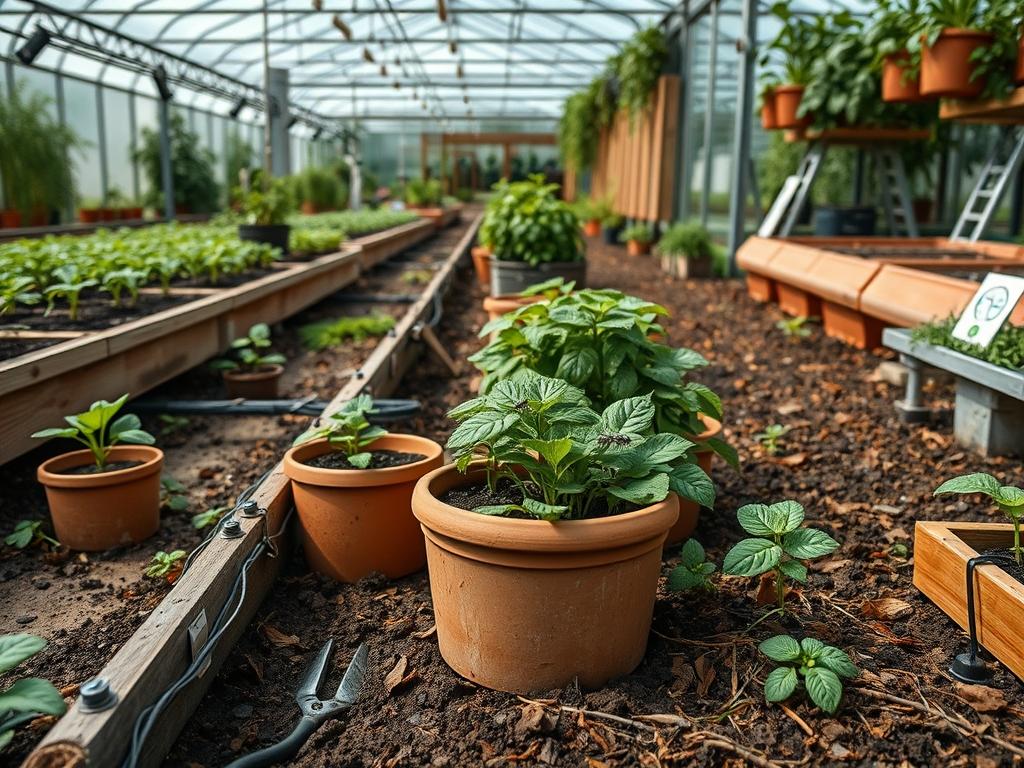
Integrating custom herb planters into a professional landscape design serves both aesthetic and functional purposes, yet the presence of ants in herb planters can compromise the structural integrity and hygiene of these focal points. From a landscape architecture perspective, managing these insects is an exercise in ecological balance and material selection. In high-end outdoor environments, herb containers often flank outdoor kitchens or line transition walkways, meaning the presence of ant trails can diminish the perceived quality of the space. To treat this issue effectively, one must look beyond simple extermination and instead consider the drainage, soil composition, and site grading that define the planter’s microenvironment.
Architectural herb gardens are frequently designed to provide sensory engagement, providing fragrance and texture near seating areas. When ants move in, they often bring secondary pests like aphids or scale insects, which they farm for honeydew. This relationship results in a decline in plant vigor and the development of sooty mold, which ruins the visual appeal of the greenery. A successful landscape consultant views the planter as part of a larger system. By optimizing airflow, managing moisture levels, and selecting repellent botanical species, a designer can create a resilient environment that naturally discourages colonization by ants without the need for harsh chemical interventions.
Landscape Design Principles
Symmetry and focal points are the cornerstones of formal herb gardens. When placing planters, a landscape architect considers how the eye moves through the space. If a planter is infested with ants, the structural health of the herbs declines, leading to asymmetry and a loss of visual impact. To combat this, we utilize elevation layers. By varying the height of planters using retaining walls or decorative pedestals, we can isolate herb collections. This physical separation makes it more difficult for scouts to locate the planters, and it allows for the application of natural barriers like cinnamon or diatomaceous earth around the base of the structure where they remain inconspicuous.
Irrigation planning is equally critical in ant prevention. Ants are attracted to consistent, stagnant moisture or the sweet secretions of pests that thrive in humid, poorly ventilated foliage. We recommend a drip irrigation system with pressure-compensating emitters. These systems deliver water directly to the root zone, keeping the surface soil dry and less inviting for nesting. Furthermore, designing walkways with proper materials like decomposed granite or permeable pavers ensures that surrounding areas do not harbor large colonies that might eventually migrate into your herb containers.
Visual balance is maintained by mixing textures. A well-designed planter should incorporate “thriller, filler, and spiller” elements. By selecting specific herbs that possess natural insecticidal properties for these roles, you create a self-defending ecosystem. For instance, using Rosemary as a structural “thriller” and Creeping Thyme as a “spiller” provides a constant olfactory deterrent to ants while maintaining the lush, layered look expected in premium landscaping.
Plant and Material Selection
| Plant Type | Sun Exposure | Soil Needs | Water Demand | Growth Speed | Maintenance Level |
| :— | :— | :— | :— | :— | :— |
| Peppermint | Full to Partial | Rich, Moist | High | Fast | Moderate |
| Rosemary | Full Sun | Well-drained | Low | Moderate | Low |
| Lavender | Full Sun | Sandy, Gritty | Low | Moderate | Low |
| Lemongrass | Full Sun | Loamy | Moderate | Fast | Moderate |
| Common Thyme | Full Sun | Rocky, Dry | Low | Slow | Low |
| Catnip | Full to Partial | Versatile | Moderate | Fast | Moderate |
Implementation Strategy
Planning the layout of an herb garden begins with site grading. Proper grading ensures that surface water moves away from the foundation of the planters, preventing the damp conditions that encourage ants to establish nests nearby. For large-scale backyard designs, we utilize 4-inch perforated drain pipes wrapped in geotextile fabric to manage subsurface water. Once the site is prepared, focus moves to the physical construction of the planters.
When installing the planters, ensure they are slightly elevated off the ground using pot feet or a gravel base. This creates an air gap that discourages ants from crawling up through the drainage holes. Inside the planter, we use a high-quality potting medium rich in perlite or vermiculite to ensure high porosity. Before planting, we recommend mixing a small amount of neem cake into the soil. This organic material acts as a systemic deterrent for many soil-dwelling insects.
Edging is the next step in the professional layout. A clean edge of steel or composite material around the planter area prevents turf grass from creeping into the herb beds, which would otherwise provide a bridge for ants. For mulch, we avoid standard dyed wood chips. Instead, we utilize cedar mulch or nuggets. Cedar contains natural oils that are toxic to ants, providing a chemical-free perimeter of protection. We maintain a mulch depth of 2 inches to suppress weeds and retain soil moisture while ensuring the top layer remains dry enough to be unappealing to scouts.
Common Landscaping Failures
One of the most frequent mistakes in herb planter management is improper drainage. When water sits at the bottom of a container, the soil becomes anaerobic. Ants find these damp, undisturbed pockets ideal for building chambers. Designers must ensure that the number and size of drainage holes are sufficient for the volume of the container. If a planter is over 24 inches in diameter, it may require a drainage layer of coarse gravel or expanded clay pebbles at the base to prevent soil from clogging the exits.
Root overcrowding is another sign of poor planning. When herbs like Mint or Oregano become root-bound, they stress the plant, making it susceptible to aphid infestations. As mentioned previously, ants follow the aphids. A senior architect will plan for the “mature spread” of each herb, ensuring at least 12 inches of space between different species to allow for air circulation.
Soil compaction is often overlooked. Over time, gravity and watering compress the soil, reducing oxygen levels. This compact environment is easy for ants to tunnel through. We recommend a “top-dressing” of fresh compost and coarse sand every spring to maintain soil structure. Finally, irrigation inefficiencies, such as overhead spraying, should be avoided. Wetting the foliage increases the risk of fungal disease and provides a water source for ants at the very top of the plant.
Seasonal Maintenance
Spring is the season for structural audits. Check all irrigation lines for leaks and clear any debris from the drainage holes of your planters. This is the time to apply a preventative ring of food-grade diatomaceous earth around the base of the containers. As the herbs emerge from dormancy, prune back any dead wood that could serve as a nesting site.
Summer maintenance focuses on monitoring. If you see ants, track them back to their source. Often, they are entering the planter via a “bridge,” such as an overhanging branch or a nearby fence. Prune any foliage that touches structural walls or other plants. During peak heat, maintain a consistent watering schedule; erratic moisture levels can stress herbs and invite pests.
Autumn is the period for sanitation. Remove all fallen leaves and spent annual herbs from the planter surface. Decomposing organic matter is a magnet for insects looking for winter shelter. Refresh your cedar mulch layers and consider a final application of neem oil to the foliage to kill any lingering aphid eggs.
In winter, the focus shifts to soil health. In colder climates, ants will move deeper into the soil to survive the freeze. If your herb planters are moveable, elevating them onto a pallet or a hard stone surface can prevent ants from overwintering beneath the pot. For permanent installations, ensure the soil remains relatively dry during the dormant phase to discourage colony activity.
Professional Landscaping FAQ
How do I quickly remove ants without harming my edible herbs?
Drench the soil with a mixture of castile soap and water. This disrupts the ants’ cell membranes and washes away pheromone trails. It is non-toxic for human consumption and safe for most herbs like Basil and Parsley.
Which herb is the most effective at repelling ants naturally?
Peppermint is the most effective due to its high menthol content. Ants rely on their sense of smell to navigate; the intense aroma of mint overwhelms their olfactory sensors, forcing them to abandon the area or stay away entirely.
Can I use stones instead of mulch to prevent ants?
Yes. Lava rock or crushed granite are excellent choices. Unlike wood mulch, stone does not decompose or hold surface moisture, making it a less hospitable environment for ants to navigate or use as a nesting substrate.
Do coffee grounds actually work to stop ants in planters?
Coffee grounds act as a mild repellent and disrupt scent trails. However, they should be used sparingly. Excessive amounts can affect soil acidity and may compact, hindering the very drainage you need to keep the ants away long-term.
Is it necessary to replace the soil if I have a major infestation?
If the ants have established a large nest with a queen, replacing the top 6 inches of soil is recommended. This removes the brood and the majority of the colony, allowing you to start fresh with proper deterrents already in place.