
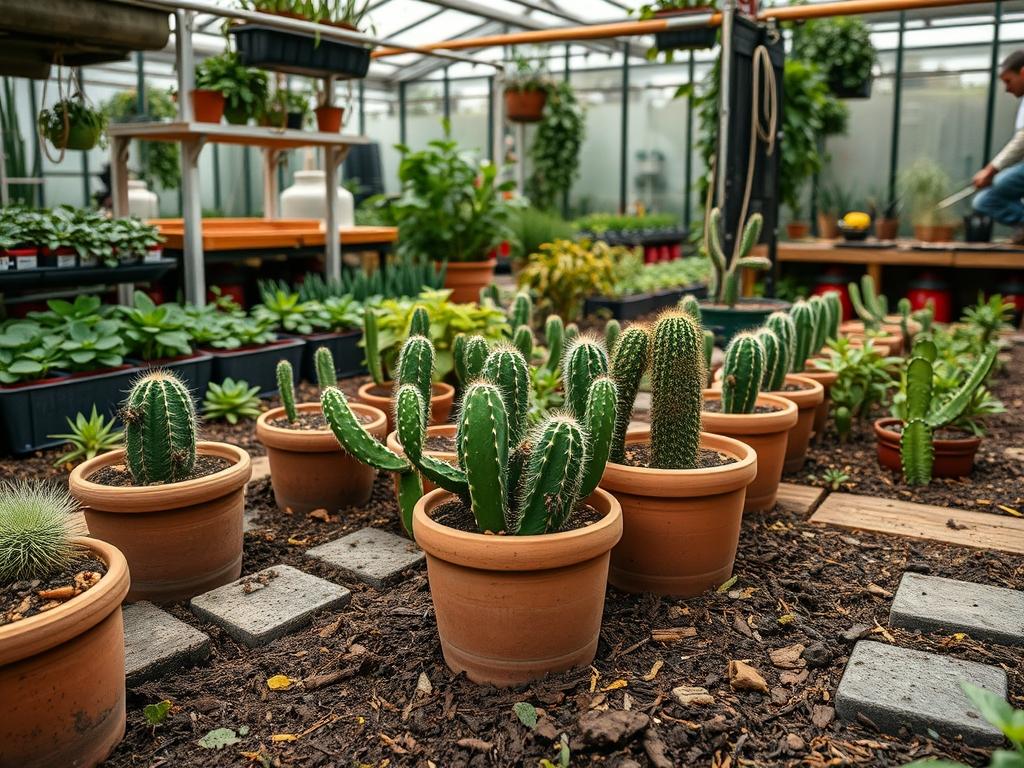
Maintaining a sophisticated outdoor environment requires more than just aesthetic intuition; it demands a deep understanding of the delicate balance between structural elements and biological inhabitants. When a landscape architect integrates desert flora into a luxury hardscape, the primary goal is often visual drama through texture and form. However, the discovery of ants in cactus pots can quickly compromise the integrity of these focal points. This issue is rarely just a pest problem. It is a symptom of environmental conditions, including moisture retention, substrate composition, and the proximity of the container to the surrounding soil. In professional landscape design, these containers serve as architectural anchors. If they become nurseries for ant colonies, the resulting damage to the root systems and the introduction of honeydew-producing pests can diminish the curb appeal of the entire property. Addressing this challenge requires a strategic approach that blends horticultural best practices with site-specific engineering to ensure the outdoor living space remain both functional and pristine.
Landscape Design Principles for Succulent Integration
Successful succulent placement begins with visual balance and the mastery of elevation layers. When we design a Mediterranean or Southwestern landscape, we often use Large Ceramic Planters or Weathered Steel Containers as focal points to break up the horizontal lines of a terrace or patio. To prevent ants in cactus pots, we must prioritize elevation. Placing pots directly on soil or mulch creates a biological bridge. Instead, consider using Stone Pedestals or Decorative Risers to create a physical gap between the ground and the drainage hole. This simple elevation change disrupts the scouting paths of workers.
Symmetry also plays a role in identifying problems early. In a formal landscape, paired Cacti should show identical growth rates. If one specimen begins to flag while its twin thrives, it often points to a subterranean issue like an ant nest within the root ball. Furthermore, irrigation planning must be independent for these architectural features. Over-spraying from a general turf zone often leads to the high-moisture conditions that attract ants looking for a stable nesting site. By treating every cactus pot as a distinct micro-climate, we can keep the substrate dry enough to be inhospitable to colonizing insects.
Plant and Material Selection
Selecting the right plant material is the foundation of a low-maintenance landscape. The table below outlines common choices for high-end container gardens where pest resistance and drainage are critical.
| Plant Type | Sun Exposure | Soil Needs | Water Demand | Growth Speed | Maintenance Level |
| :— | :— | :— | :— | :— | :— |
| Golden Barrel Cactus | Full Sun | Pumice-heavy Mix | Very Low | Slow | Low |
| Blue Glow Agave | Full Sun/Part Shade | Sandy Loam | Low | Moderate | Medium |
| Totem Pole Cactus | Full Sun | Mineral Substrate | Very Low | Slow | Low |
| Prickly Pear | Full Sun | Gritty Mix | Low | Fast | Medium |
| Organ Pipe Cactus | Full Sun | Decomposed Granite | Low | Slow | Low |
Implementation Strategy
Developing a robust backyard layout requires a granular focus on the “potting profile.” To prevent ants in cactus pots from the start, the implementation must begin with a sterile, inorganic-heavy substrate. Standard potting soil contains too much peat and organic matter, which holds moisture and provides a soft medium for ants to tunnel through. A professional-grade mix should consist of 70 percent Inorganic Grit, such as Perlite, Pumice, or Crushed Lava Rock, and only 30 percent organic material.
During the layout phase, consider the “grading” of the area immediately surrounding your containers. If pots are situated in a low point of the garden, they will transition into moisture reservoirs during the rainy season. Use Decomposed Granite or River Rock as a base for your pots. This creates a high-drainage “apron” that prevents water from pooling. When filling the pot, place a piece of Fine Synthetic Mesh over the drainage hole. This allows water to exit while creating a physical barrier that discourages ants from entering through the bottom of the vessel. Finally, finish the top of the pot with a two-inch layer of Decorative Pebble Mulch. Not only does this enhance visual balance, but it also reflects heat and keeps the top layer of soil dry, which is a major deterrent for nesting ants.
Common Landscaping Failures
The most frequent failure in container-based landscaping is the “bucket effect,” which occurs when drainage is insufficient. If the Drainage Hole is too small or becomes clogged with fine sediment, the bottom of the pot stays perpetually damp. Ants are attracted to this moisture, especially in arid climates. Another common mistake is root overcrowding. When a cactus becomes “root bound,” it creates air pockets between the root ball and the pot wall. These gaps are perfect structural voids for ant colonies to occupy.
Improper spacing between pots and existing vegetation also contributes to the problem. If a Cactus Pot is placed beneath a canopy of Native Trees or Flowering Shrubs, the cactus is likely to be bombarded by falling debris and various pests like aphids or scale. Ants have a symbiotic relationship with these insects, “farming” them for the sugary honeydew they secrete. Eliminating the primary pest often resolves the ant presence. Finally, soil compaction due to the use of heavy garden soil instead of specialized Cactus Mix will lead to poor aeration. This lack of airflow prevents the substrate from drying out, inviting colonies to establish permanent residence.
Seasonal Maintenance
Landscape management is a year-round commitment that shifts with the solar cycle. In the Spring, the focus should be on “Interruption.” This is when ants are most active in scouting for new nest sites. Apply a thin barrier of Diatomaceous Earth around the base of the pots; this natural abrasive prevents ants from climbing the exterior walls. Ensure that any nearby Irrigation Emitters are functioning correctly and not leaking, as excess moisture is the primary draw for pests.
During the Summer, focus on “Hydration Management.” While cacti need more water during their growth phase, you must allow the soil to dry out completely between sessions. Use a Moisture Meter to check the deep interior of the pot. If ants have already moved in, a deep drench using a mixture of water and Peppermint Oil can act as a natural repellent without harming the cactus.
In the Autumn, perform a “Debris Sweep.” Remove fallen leaves or organic mulch that has accumulated on the soil surface of the pot. These materials trap moisture and provide cover for ants. In Winter, the goal is “Dormancy Protection.” Reduce watering to the absolute minimum. Because the ants are also less active, this is the best time to inspect the structural integrity of your pots and pedestals, making repairs to any cracks where ants might find ingress during the following spring.
Professional Landscaping FAQ
How do I safely remove an established ant colony from a large cactus pot?
Submerge the entire pot in a large tub of water for 20 minutes. This forces the ants out without using harsh chemicals. Afterward, allow the pot to dry in a well-ventilated area to prevent root rot.
What is the best material for a barrier around my cactus containers?
Use a combination of Polished River Rock at the base and a thin application of Tanglefoot or a similar sticky barrier on the underside of the pot rim. This disrupts the scent trails used by scouting ants.
Can ants actually damage the health of my cactus?
Yes. While they do not eat the plant, their tunneling can aerate roots excessively, causing them to dry out. They also protect pests like Mealybugs and Scale, which suck the sap and weaken the cactus over time.
Is it necessary to repot a cactus if I find ants?
Not always. If the infestation is light, a Natural Repellent or drench may work. However, if the soil is old and compacted, repotting with fresh Inorganic Substrate is the best way to ensure long-term health.
Does mulch type affect ant populations in the landscape?
Absolutely. Large wood chips hold moisture and provide hiding spots. For cactus-centric landscapes, always use Mineral Mulch like Lava Rock, Crushed Granite, or Pea Gravel to keep the surface dry and unattractive to ants.