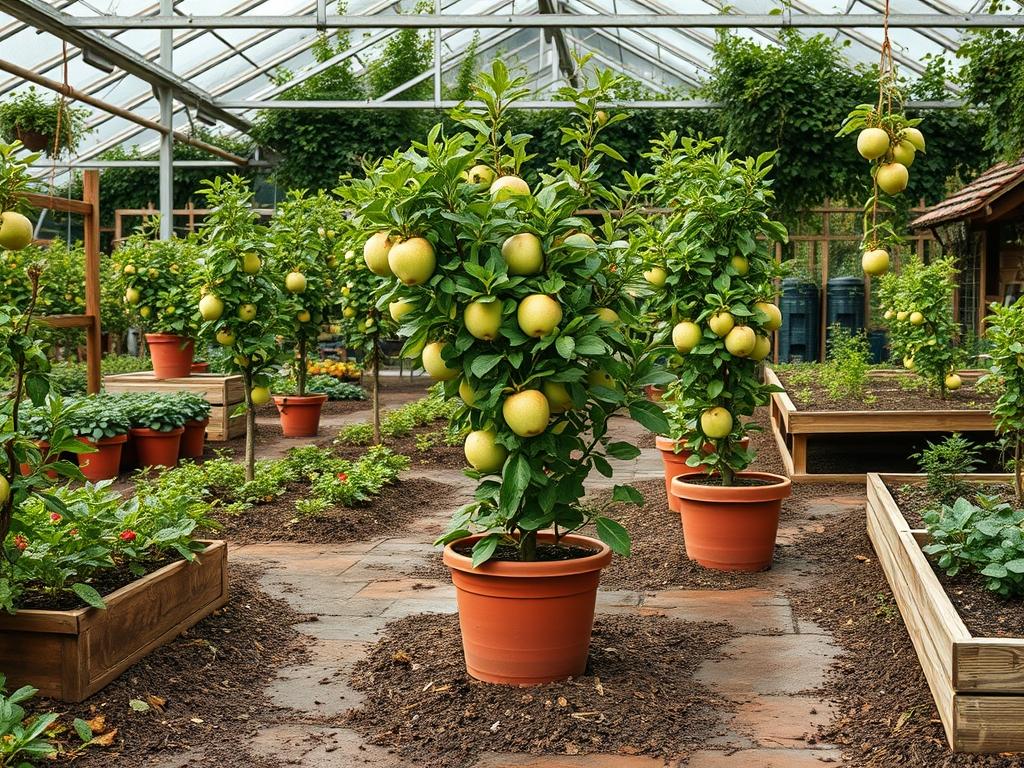
The integration of fruit-bearing species into a high-end residential landscape requires a delicate balance between aesthetic consistency and biological resilience. Traditional apple orchards often struggle with a pervasive fungal pathogen known as apple scab, which manifests as unsightly brown lesions on foliage and fruit, eventually causing premature leaf drop. For a landscape architect, this defoliation is more than a horticultural nuisance; it is a failure of the design to maintain its structural and visual integrity throughout the growing season. Selecting Scab Resistant Apple Trees allows for the inclusion of productive biomass without the intensive chemical intervention typically required to keep pome fruits looking pristine. These cultivars ensure that the canopy remains dense and vibrant from the first bud break in spring until the final harvest in late autumn, preserving the curb appeal and functional shade of the outdoor environment.
Strategic garden planning must account for the specific microclimates present on a property, especially when trying to maximize the health of the orchard component. Apple scab thrives in cool, damp conditions where moisture lingers on the leaf surface. By choosing genetically resistant varieties, a designer can place these trees in a wider range of site conditions without the constant fear of a decorative centerpiece turning into a blighted eyesore. This level of planning transforms the backyard from a mere collection of plants into a sophisticated outdoor living space where the harvest is a secondary benefit to the primary goal of creating a lush, sustainable sanctuary.
Landscape Design Principles
Incorporate Scab Resistant Apple Trees as structural anchors or focal points to provide a sense of architectural permanence. When designing a formal allee or a symmetrical border, the visual uniformity of the trees is paramount. If one tree in a row of five succumbs to fungal defoliation, the entire geometric balance of the landscape is compromised. Using resistant cultivars like Liberty or Enterprise ensures that the rhythm of the design remains unbroken. These trees can be used to define transitions between different garden rooms, such as moving from a manicured lawn to a more naturalized meadow area.
Elevation layers play a significant role in the perception of depth within a garden. Apple trees occupy the mid-story canopy, bridging the gap between low-lying perennials and taller shade trees like Oaks or Maples. To create a more immersive experience, use a tiered planting technique. Surround the base of the apple trees with ornamental grasses or pollinator-friendly shrubs. This not only builds visual interest but also supports the ecosystem required for fruit set. Walkways should be designed to meander through these zones, allowing residents to interact with the trees without compacting the soil around the critical root zone. Irrigation lines must be discreetly buried, with emitters placed to provide deep soaking rather than overhead misting, which helps keep the foliage dry and further discourages any opportunistic pathogens.
Plant and Material Selection
| Plant Type | Sun Exposure | Soil Needs | Water Demand | Growth Speed | Maintenance Level |
| :— | :— | :— | :— | :— | :— |
| Liberty Apple | Full Sun | Loamy, Well-Drained | Moderate | Medium | Low |
| GoldRush Apple | Full Sun | Rich Organic | Moderate | Medium-Slow | Moderate |
| Pristine Apple | Full Sun | Neutral pH | Moderate | Fast | Low |
| Enterprise Apple | Full Sun | Versatile/Loamy | Moderate | Medium | Low |
| Freedom Apple | Full Sun | Well-Drained | Low-Moderate | Fast | Very Low |
| Williams’ Pride | Full Sun | Sandy/Loamy | Moderate | Medium | Moderate |
Implementation Strategy
The successful establishment of Scab Resistant Apple Trees begins with rigorous site preparation and grading. Proper drainage is the most critical factor for tree longevity. If the site has heavy clay, create a slight mound or use retaining walls to elevate the planting area by 12 to 18 inches above the surrounding grade. This prevents water from stagnating around the root collar, which can lead to crown rot. Once the grading is finalized, dig a hole twice as wide as the root ball but no deeper than the container depth to ensure the graft union remains at least 2 inches above the finished soil line.
Edge the planting beds with natural stone or steel edging to create a clean demarcation between the orchard zone and the turf. This prevents invasive grass from competing for nutrients and protects the tree trunks from mechanical damage caused by string trimmers or mowers. Apply a layer of hardwood mulch at a depth of 3 inches, ensuring the mulch is pulled back away from the trunk itself to prevent moisture traps. For a more polished look, consider incorporating a decomposed granite walkway nearby, which adds a textural contrast to the soft foliage of the trees and provides a stable surface for harvesting activities.
Common Landscaping Failures
One of the most frequent mistakes in residential orchard planning is improper spacing, leading to root overcrowding and restricted airflow. Even with Scab Resistant Apple Trees, a lack of air circulation creates a humid stagnant zone that invites other issues like powdery mildew or aphid infestations. Large cultivars on semi-dwarf rootstocks generally require at least 12 to 15 feet of center-to-center spacing to allow for mature canopy expansion. Planting too closely to a solid fence or a building wall can also result in lopsided growth as the tree reaches for light, eventually destabilizing its structural integrity.
Soil compaction is another silent killer of maturing apple trees. During the construction phase of a landscape, heavy machinery often packs the earth so tightly that oxygen cannot reach the roots. A landscape consultant must ensure that the soil is properly aerated and amended with organic compost before any planting occurs. Furthermore, inefficient irrigation setups often overwater the surface while leaving the deep roots dry. Using a drip irrigation system with pressure-compensating emitters ensures that water is delivered directly to the root zone, maximizing efficiency and minimizing the runoff that can erode the carefully planned grading.
Seasonal Maintenance
Landscape management is a year-round commitment that changes with the light and temperature. In the spring, the focus is on growth and protection. Apply a dormant oil spray before the buds break to smother any overwintering pests. This is also the time to inspect the irrigation system for any leaks or clogged emitters caused by winter freezes. As the blooms fade, monitor the fruit set and thin the apples to one per cluster if they appear too crowded; this prevents branch breakage and improves the size of the remaining fruit.
Summer maintenance centers on moisture management and structural integrity. During periods of extreme heat, increase the watering frequency to prevent heat stress, which can make even resistant trees vulnerable to secondary infections. If the tree is young, use tree wraps or burlap to protect the trunk from sunscald. In the autumn, the primary task is hygiene. Even though Scab Resistant Apple Trees do not suffer from the fungus, it is a best practice to remove any fallen fruit or leaf litter. This prevents the buildup of other pests and keeps the garden looking manicured. Winter is the season for structural pruning. Use a bypass pruner and a pruning saw to remove any dead, damaged, or crossing branches. Thinning the interior of the canopy during the dormant stage ensures that sunlight can penetrate to the center of the tree during the following summer, promoting better color and sugar development in the fruit.
Professional Landscaping FAQ
Why should I choose scab resistant varieties over traditional ones?
These varieties require significantly fewer fungicide applications, saving on long-term maintenance costs. They maintain their foliage throughout the entire summer, ensuring your landscape remains lush and green when other trees might lose their leaves prematurely due to disease.
What is the best mulch for apple tree beds?
A high-quality shredded hardwood mulch or arborist wood chips are ideal. They break down slowly, adding organic matter to the soil while suppressing weeds and retaining consistent moisture levels around the sensitive root systems of the trees.
Can these trees be grown in large containers?
Yes, if they are grafted onto miniature rootstocks. You must use a high-quality potting soil and ensure the container has excellent drainage. Potted trees require more frequent watering and a consistent fertilization schedule to thrive.
How do I integrate apple trees into a modern landscape?
Utilize espalier techniques to grow the trees flat against a wall or a custom trellis. This creates a living architectural element that fits perfectly in minimalist or contemporary designs while still providing a functional harvest.
Do scab resistant trees still require pruning?
Absolutely. Pruning is essential for maintaining the shape of the tree and ensuring optimal airflow. Removing “water sprouts” and “suckers” helps direct the energy of the plant into fruit production and the development of a strong primary scaffold.