
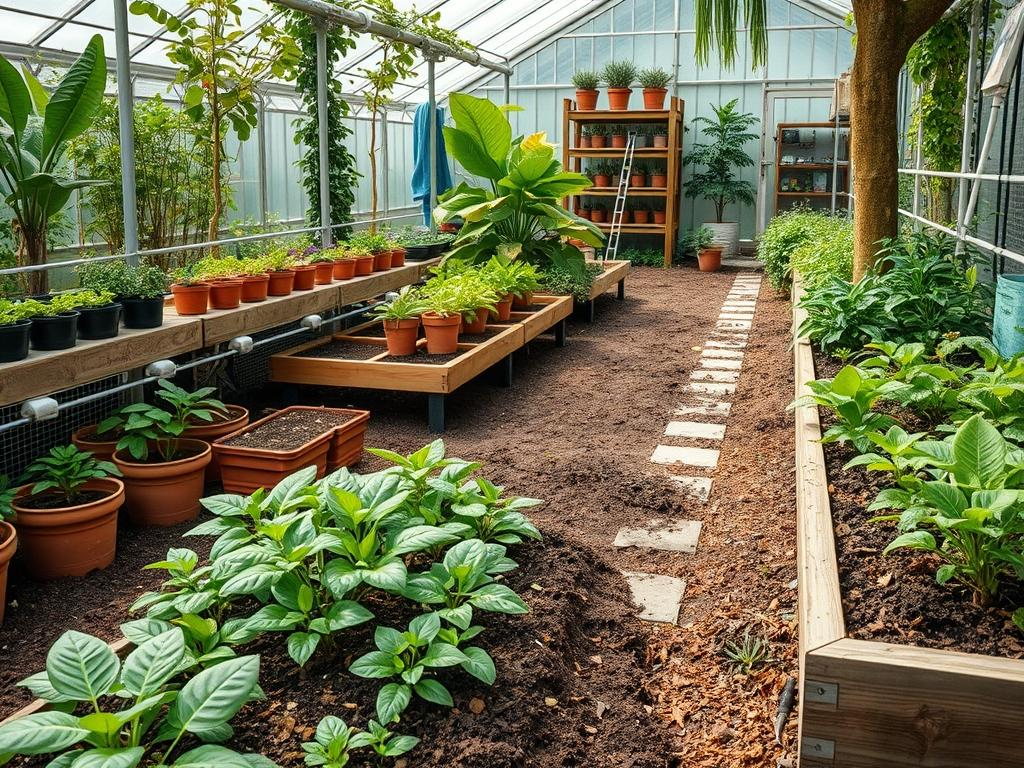
Designing a landscape in tropical regions requires a sophisticated understanding of how local fauna interacts with the built environment. In regions where the driver ant, or Dorylus, is prevalent, a garden must serve as both a sanctuary for the homeowner and a strategic barrier against nomadic insect colonies. These ants are known for their massive migratory columns and aggressive foraging behavior, specifically in high moisture environments with dense organic ground cover. Effective driver ant prevention is not merely a task of chemical application; it is an exercise in structural design, elevation management, and moisture control. A successful tropical landscape maintains its curb appeal by utilizing high quality materials and symmetrical layouts that simultaneously deny these ants the shelter and damp pathways they require to thrive. By integrating modern irrigation techniques with smart material selection, a landscape architect can create a site that remains functional and beautiful even during the height of the monsoon seasons.
The fundamental challenge in tropical zones is the management of rapid biomass accumulation and extreme moisture. Driver ants are attracted to damp, shaded earth and thick layers of decaying organic matter. Therefore, the architectural goal is to maximize air circulation at the ground level and ensure that water moves away from the structural foundations with precision. A professional landscape plan for these regions prioritizes clean lines and clear sightlines, which allow for early detection of any emerging ant columns. This proactive approach preserves the outdoor living experience, ensuring that patios, walkways, and garden beds remain accessible and safe. Achieving this balance requires a firm grasp of grading, the use of inorganic mulch near structures, and the selection of plants that provide vertical interest without creating hidden corridors at the soil surface.
Landscape Design Principles
Symmetry and visual balance are the hallmarks of a professionally architected tropical garden, but they also serve a functional purpose in driver ant prevention. By creating a layout that uses clear geometric patterns, we can establish maintenance corridors that are easy to inspect. A central focal point, such as a stone fountain or a sculptural specimen tree, should be surrounded by a dry zone. This dry zone serves as a primary deterrent because driver ants are highly susceptible to desiccation. Using sharp-edged crushed basalt or lava rock in a 12 inch wide strip around the perimeter of focal points disrupts their movement patterns. Elevation plays an equally critical role; by raising garden beds at least 18 inches using masonry retaining walls, we force ants to climb vertical, dry surfaces, which they are less likely to do if the surface is exposed to direct sunlight.
Irrigation planning must be exacting to avoid stagnant water or overly saturated soil pockets. Traditional overhead sprinklers often create consistent dampness across the entire landscape, which essentially invites driver ant colonies to establish transit routes. A superior approach involves subsurface drip irrigation systems that deliver water directly to the root zones of specific plants. This keeps the surface soil dry and inhospitable to foraging scouts. Furthermore, the design of walkways should involve non-porous materials like poured concrete or tightly fitted flagstone set on a 4 inch deep sub-base of compacted gravel. Wide joints between pavers should be avoided, as these gaps provide the exact micro-habitats where colonies can hide. Instead, use a polymeric sand to seal joints, creating a monolithic surface that is easy to sweep and monitor.
Plant and Material Selection
| Plant or Material Type | Sun Exposure | Soil Needs | Water Demand | Growth Speed | Maintenance Level |
| :— | :— | :— | :— | :— | :— |
| Vetiver Grass | Full Sun | Adaptable | Moderate | Fast | Low |
| Citronella Plant | Partial Shade | Well-drained | High | Medium | Moderate |
| African Marigold | Full Sun | Loamy | Low | Fast | Low |
| Neem Tree | Full Sun | Sandy/Dry | Low | Medium | Low |
| Lemongrass | Full Sun | Moist/Rich | High | Fast | Moderate |
| Crushed Granite | N/A | N/A | N/A | N/A | Very Low |
| River Rock | N/A | N/A | N/A | N/A | Low |
The selection of Vetiver Grass is particularly strategic for driver ant prevention due to its deep, complex root system and the essential oils it produces, which have natural repellent properties. Similarly, Lemongrass and Citronella provide a fragrant barrier that disrupts the pheromone trails insects use for navigation. When choosing materials, crushed granite is superior to organic bark mulch near the home because it does not decompose, does not hold excess moisture, and its sharp edges are difficult for soft-bodied insects to navigate.
Implementation Strategy
The first step in garden layout planning is professional grading. Use a laser level to ensure a minimum 2 percent slope away from all residential structures. This ensures that heavy tropical rainfall is channeled into French drains or bioswales rather than pooling near the foundation. Once the grade is established, the landscape should be divided into zones. The zone closest to the house, often called the zero-entry zone, should be strictly hardscoped or filled with inorganic materials like river rock at a depth of 3 inches. This creates a formidable barrier that lacks the organic food sources or moisture driver ants seek.
Next, implement edging using galvanized steel or heavy-duty plastic dividers to clearly separate turf areas from garden beds. Edging prevents grass and weeds from creeping into stone-covered areas, which would otherwise create a bridge for ants. For the planting phase, use a post-hole digger or auger to ensure deep placement of repellent species like Neem. When applying mulch in the outer zones of the property, keep the depth to a maximum of 2 inches and ensure that it is kept at least 6 inches away from the base of any woody shrubs. This prevents the formation of “mulch volcanoes” which protect ant nests from predators and the elements. Finally, install a smart irrigation controller to time watering for the early morning hours, allowing the sun to dry the soil surface throughout the day.
Common Landscaping Failures
One of the most frequent mistakes in tropical landscaping is the over-application of organic mulch. While mulch is excellent for moisture retention in temperate climates, in the tropics, a 4 inch layer of wood chips becomes a massive incubator for microbial life and a highway for driver ants. Another failure is improper plant spacing. When plants are crowded together, they create a continuous canopy of shade and a carpet of leaf litter. This micro-environment remains humid even during dry spells, providing a perfect corridor for ant migration. Professionals should follow the specific spacing guidelines for each species to ensure that sunlight reaches the soil surface between plants.
Soil compaction is another overlooked issue. When soil is compacted, water cannot Maverick infiltrate the ground, leading to surface runoff and puddling. These puddles are magnets for thirsty ant colonies. Using a core aerator annually can help maintain soil health and drainage. Additionally, many homeowners neglect the maintenance of retaining walls. If the weep holes in a stone wall become clogged with debris, water pressure builds up behind the wall, creating a damp, dark environment that is ideal for driver ant nesting. Regular inspection and cleaning of these drainage points are essential for long term ant prevention. Finally, the use of invasive ground covers should be avoided at all costs, as they provide a protected “roof” over ant trails that makes them nearly impossible to treat or see.
Seasonal Maintenance
Landscape management in tropical zones must adapt to the rhythmic shifts between the wet and dry seasons. During the spring, or the onset of the rainy season, the primary focus is on clearing debris. Use a leaf blower or rake to remove dead foliage from the base of plants and from within drainage gutters. This is the time to inspect retaining walls for cracks where ants might enter. Applying a fresh layer of crushed stone to any thinning areas in the perimeter zone will reinforce the defensive barrier before the ants become most active during peak humidity.
In the summer, or during the height of the rains, the focus shifts to pruning and vegetation control. Rapid growth can quickly bridge the gaps between garden beds and the home. Use hedge shears to maintain a 12 inch clearance between foundation walls and any overhanging branches. During the autumn, as the rains taper off, it is the ideal time to calibrate the irrigation system. Reduce the frequency of watering to allow the soil to harden, which discourages ants from tunneling. In the winter or dry season, monitor the landscape for “dust bowls.” While dry soil is generally good for driver ant prevention, extremely dry, cracked earth can provide deep fissures for ants to hide in. A light, consistent application of water via drip lines keeps the soil stable without creating the surface moisture that attracts migrations.
Professional Landscaping FAQ
How does elevation affect driver ant prevention?
Raising garden beds creates a vertical barrier of dry masonry. This forces ants into the open, where sunlight and predatory birds can reach them. Stepped terraces also improve drainage, reducing the damp soil conditions that driver ant colonies prefer.
Is organic mulch ever acceptable in a tropical landscape?
Yes, but only in zones far from the home. Within 10 feet of structures, inorganic mulch such as pea gravel or crushed brick is preferred. In outer zones, keep organic mulch thin and away from plant stems.
Which native plants are best for natural deterrence?
Plants with high essential oil content, such as Lemongrass, Vetiver, and Neem, are excellent. These plants create a chemical “noise” that can disrupt the scouting patterns of driver ants, making your property a less attractive transit route.
How often should I inspect my drainage systems?
In tropical zones, inspect French drains, gutters, and catch basins at the start of every rainy season. Ensure there is no standing water, as stagnant moisture is a primary attractant for driver ants and other invasive pests.
Can hardscaping alone stop a driver ant colony?
Hardscaping is not a total wall, but it is a powerful deterrent. By eliminating the soft, moist earth they prefer, you force the colony to find an easier path elsewhere. Combine hardscaping with repellent plants for the most effective results.