
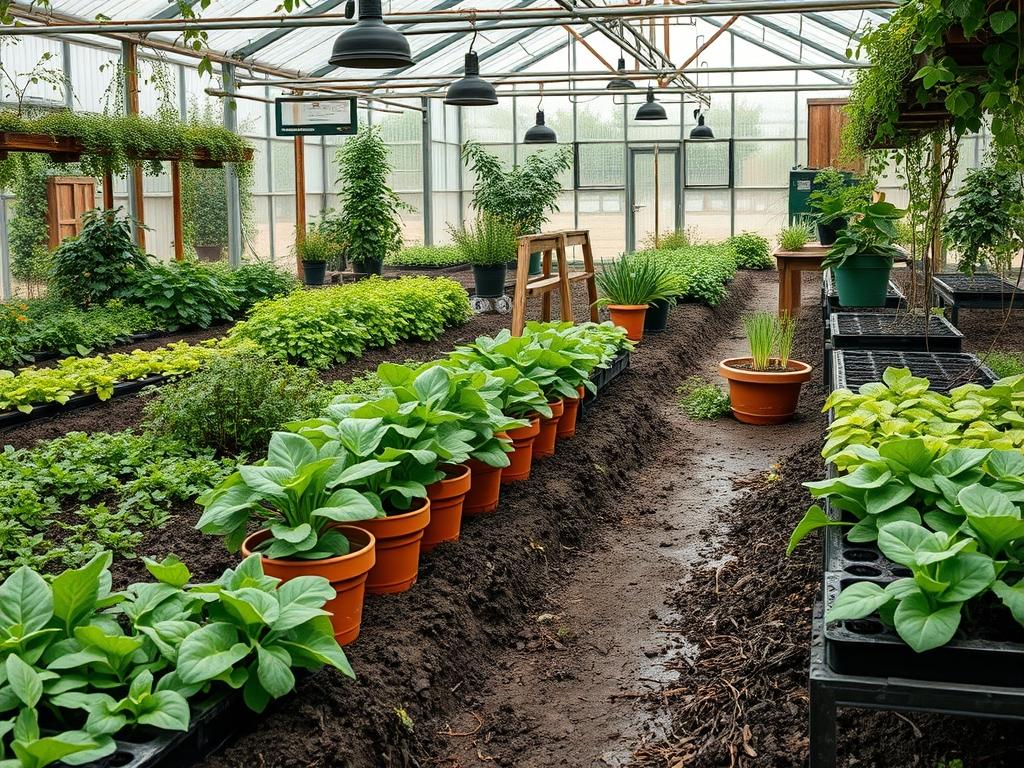
Developing a resilient landscape begins with a deep understanding of the soil biology and the specific environmental stressors present on your property. For many homeowners and commercial developers, the discovery of Verticillium wilt represents a significant pivot point in their outdoor management strategy. This soil-borne fungus, characterized by its ability to persist in the ground for over a decade, attacks the vascular system of susceptible species, leading to branch dieback, leaf scorch, and eventual plant death. When faced with this challenge, the primary goal of the landscape architect shifts from simple aesthetics to a rigorous selection of Verticillium Resistant Plants. This transition does not necessitate a compromise in curb appeal or functionality. Instead, it invites the use of a diverse palette of species that can thrive in infected soil while maintaining the structural integrity and visual rhythm of the garden.
Successful garden management requires a holistic view of the site. We must consider the micro-climates created by the shade of the house, the drainage patterns of the topography, and the specific needs of the local ecosystem. By integrating Verticillium Resistant Plants into the design, we ensure that the long-term investment in the landscape is protected from recurring disease cycles. A professional approach involves a meticulous site analysis, where we identify existing symptoms of vascular occlusion in current plants and map out a replanting strategy that emphasizes soil health and water management. The outcome is a durable, high-performing environment that provides shade, privacy, and cooling effects without the constant threat of fungal collapse.
Landscape Design Principles
Symmetry and focal points are the bedrock of a professional landscape design, providing a sense of order that guides the eye through the space. When working with Verticillium Resistant Plants, use structural trees like White Oak or Ginkgo to establish a permanent framework. These species are naturally immune to the fungus, allowing them to serve as long-term anchors for the site. By placing these resistant giants at key intersections or at the end of visual axes, you create a reliable hierarchy that remains stable even if smaller, more sensitive plants in the surrounding area need replacement.
Elevation layers add depth and complexity to the garden. A well-designed site utilizes a three-tier system: the canopy, the understory, and the ground plane. In a Verticillium-prone area, the understory is often the most vulnerable. To mitigate this, incorporate large shrubs such as Conifers or Boxwood that offer varied textures and heights. Elevation can also be manipulated through the construction of retaining walls or raised beds. Using natural stone or masonry blocks for these features not only adds a high-end finish but also allows for the introduction of fresh, non-infected soil for smaller, more sensitive ornamental species.
Walkways and circulation paths define how humans interact with the landscape. These paths should be constructed from durable materials like flagstone, permeable pavers, or decomposed granite. Strategic path placement ensures that foot traffic does not compact the soil near the root zones of your Verticillium Resistant Plants. Irrigation planning is equally critical. To prevent the spread of fungal spores via water runoff, we prioritize drip irrigation systems over overhead sprinklers. This targeted approach delivers water directly to the root zone, keeping the foliage dry and reducing the overall humidity that can exacerbate secondary fungal infections.
Plant and Material Selection
| Plant Type | Sun Exposure | Soil Needs | Water Demand | Growth Speed | Maintenance |
| :— | :— | :— | :— | :— | :— |
| White Oak | Full Sun | Well-drained | Moderate | Slow | Low |
| River Birch | Sun to Part Shade | Moist/Acidic | High | Fast | Medium |
| Serviceberry | Part Shade | Loamy | Moderate | Moderate | Medium |
| Boxwood | Part Sun | Well-drained | Moderate | Slow | High |
| Blue Spruce | Full Sun | Sandy/Loamy | Low | Moderate | Low |
| Flowering Crabapple | Full Sun | Rich/Moist | Moderate | Fast | Medium |
| Willow | Full Sun | Wet/Clay | High | Fast | Medium |
Implementation Strategy
The implementation of a professional garden layout begins with grading. To ensure proper health for your Verticillium Resistant Plants, the soil must be graded at a minimum 2 percent slope away from building foundations and high-value planting zones. Proper grading prevents standing water, which is a primary catalyst for soil-borne diseases. Once the topography is set, we use a tiller or spade to incorporate organic matter into the top 8 inches of soil to improve aeration. However, in sites with confirmed Verticillium, we avoid deep tilling which can spread microsclerotia throughout the garden bed.
Edging provides the clean lines necessary for high-end curb appeal while acting as a physical barrier between the lawn and the planting beds. We recommend using steel edging or poured concrete curbs for maximum durability. Within these borders, the application of mulch is mandatory. A layer of 3 inches of hardwood mulch or pine bark helps regulate soil temperature and suppress weeds. It also prevents soil from splashing onto the lower leaves of your plants, which is a common vector for disease transmission.
Hardscaping should be integrated early in the process. When installing structures like pergolas or outdoor kitchens, ensure that the footings do not sever the roots of established Verticillium Resistant Plants. For drainage, consider the installation of a French drain or a dry creek bed composed of river rock and boulders. These features manage heavy rainfall efficiently, directing excess moisture away from the root systems of your primary specimens and maintaining the aerobic conditions that these plants require to stay healthy.
Common Landscaping Failures
One of the most frequent mistakes in garden management is root overcrowding. When plants are spaced too closely, they compete for nutrients and water, leading to stress that makes even Verticillium Resistant Plants more susceptible to other opportunistic pests. Always consult the mature width of a species before digging. A 15-foot wide tree should not be planted 5 feet from a structure; such errors lead to poor air circulation and stunted growth.
Soil compaction is another silent killer in the landscape. During construction or heavy maintenance, the use of heavy machinery can crush the pore spaces in the soil, effectively suffocating the roots. To remedy this, use core aerators or radial trenching to introduce oxygen back into the root zone. Furthermore, improper irrigation timing can lead to disaster. Watering late in the evening keeps the soil saturated throughout the night, encouraging the growth of fungal pathogens. Always schedule irrigation for the early morning hours to allow for evaporation.
Finally, many fail to recognize the impact of improper mulch depth. While mulch is beneficial, “mulch volcanoes” piled against the trunk of a tree can cause bark rot and provide a bridge for insects. Keep the mulch 2 inches away from the base of the trunk. Similarly, neglecting the drainage of retaining walls can lead to hydrostatic pressure buildup, which eventually causes the wall to fail and saturates the soil of the plants behind it. Always use perforated pipe and gravel backfill when building walls over 24 inches in height.
Seasonal Maintenance
Spring is the season for assessment and preparation. As the ground thaws, inspect your Verticillium Resistant Plants for any winter damage or desiccation. Use sharp pruning shears to remove dead wood, making clean cuts at the branch collar to promote rapid healing. This is also the ideal time to apply a balanced, slow-release fertilizer to support the flush of new growth. Monitor the soil moisture closely as the temperatures rise, ensuring that young transplants receive consistent hydration.
Summer maintenance focuses on water management and stress reduction. During periods of extreme heat, increase the frequency of your drip irrigation cycles, but ensure the water is penetrating at least 6 inches deep into the soil. This encourages deep rooting. Check the integrity of your mulch layers, adding more if they have decomposed to less than 2 inches. Be on the lookout for secondary pests like aphids or spider mites, which can weaken plants and make them less resilient to soil-borne fungi.
Autumn is the window for planting and soil stabilization. The cooling air and warm soil are perfect for installing new Verticillium Resistant Plants. When planting, dig a hole two times the width of the root ball but no deeper than its height. This ensures the roots can spread easily into the surrounding soil. Apply a fresh layer of compost to replenish organic nutrients spent during the summer. Leaf removal is also critical during this time; do not allow fallen foliage to mat down over the garden beds, as this can create an anaerobic environment favored by pathogens.
Winter is the time for protection and structural pruning. For younger trees, consider using tree wrap to prevent sunscald on the bark. Avoid using salt-based de-icers near your planting beds, as the runoff can alter the soil pH and damage the root systems of your resistant species. Instead, use sand or pea gravel for traction on walkways. Winter is also the best time to prune large deciduous trees to improve their canopy structure, as the absence of leaves allows for a clear view of the branch architecture.
Professional Landscaping FAQ
How do I identify if my plant has Verticillium wilt?
Look for sudden wilting of individual branches, yellowing leaves, and brown or olive-green streaking in the wood beneath the bark. If you see these symptoms, it is vital to switch to Verticillium Resistant Plants for future landscaping.
Can Verticillium wilt be cured once it is in the soil?
There is no effective chemical cure for the soil once the fungus is present. The most professional management strategy is to remove infected specimens and replace them with verified resistant species while improving overall soil drainage and aeration.
Are all evergreens resistant to this fungus?
Yes, most Gymnosperms, including pines, spruces, and firs, are naturally immune. Integrating these into your landscape design provides a permanent, green structure that is completely safe from the vascular collapse caused by Verticillium pathogens in the ground.
Will high-nitrogen fertilizer help an infected plant?
Excessive nitrogen can actually worsen the situation by encouraging rapid, weak growth that the compromised vascular system cannot support. Instead, use a balanced organic fertilizer to maintain steady health and support the natural defenses of the plant.
How deep does the fungus live in the garden?
The fungus can survive several feet deep in the soil profile. This is why superficial soil replacement rarely works. Success depends on selecting hardy Verticillium Resistant Plants and utilizing raised beds with clean soil for more sensitive floral displays.