
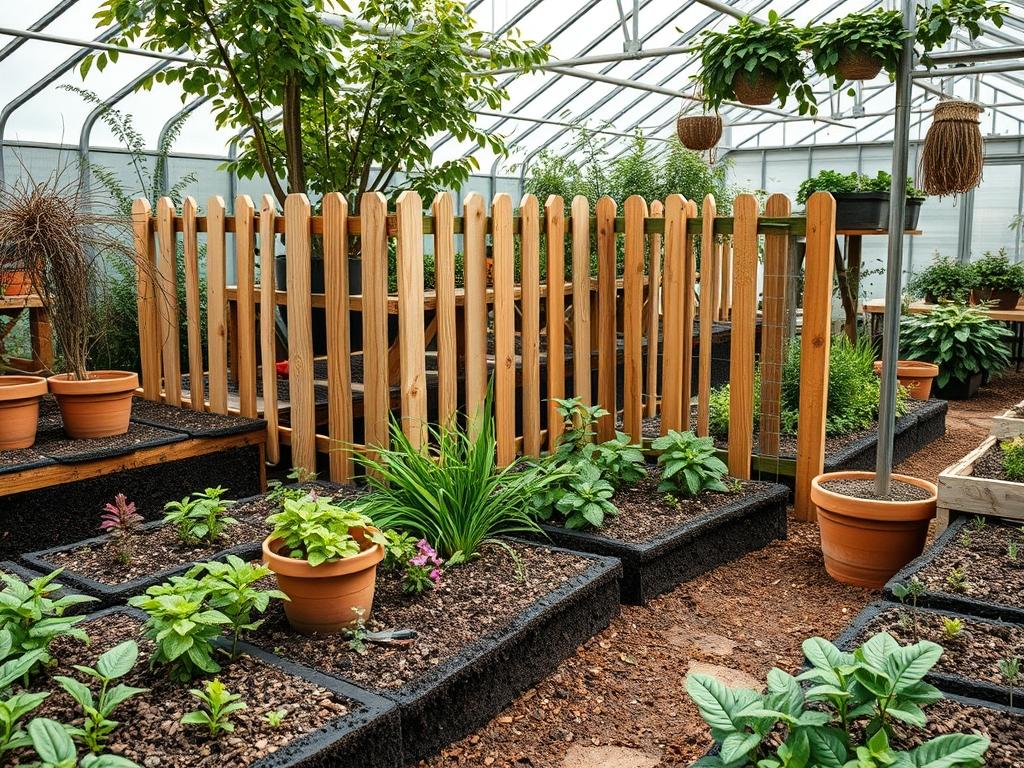
Landscape architecture is an exercise in managing the intersection of organic growth and structural permanence. When we design an outdoor environment, we are not just placing plants; we are creating a living ecosystem that must withstand the elements for decades. A primary challenge in this process is the selection of vertical boundaries. While vinyl or composite materials offer a certain uniformity, they often lack the aesthetic integration required for a cohesive, high-end design. This is where the natural properties of wood become vital to the success of the project. Specifically, the inherent cedar fence pest resistance makes it a superior choice for long-term structural integrity and aesthetic continuity. In climates characterized by high humidity or fluctuating temperatures, the choice of boundary material determines the lifespan of the entire perimeter landscape.
The functionality of a garden depends heavily on its ability to define space without constant intervention. A fence that succumbs to rot or insect infestation within a decade is more than just a structural failure; it is a disruption to the established root systems and the visual balance of the yard. Selecting a material with strong cedar fence pest resistance ensures that the foundation of your garden remains undisturbed. Cedar produces natural oils, predominantly thujaplicins and thujic acid, which act as a self-generated repellent against termites, carpenter ants, and wood-boring beetles. This internal chemistry provides a layer of protection that pressure-treated woods can only mimic through the injection of synthetic chemicals, which often leach into the surrounding soil and affect the health of native plants.
Landscape Design Principles
Effective landscape design relies on the principles of symmetry, focal points, and elevation layers to create a sense of order and tranquility. A cedar fence serves as a neutral yet warm backdrop that enhances the vibrant greens and textures of the flora. When planning for symmetry, the fence provides a consistent datum line from which you can measure the placement of retaining walls and walkways. This horizontal consistency is critical for maintaining visual balance, especially in sloped yards where grading issues can otherwise create a chaotic silhouette.
Creating focal points requires a backdrop that does not distract from the primary interest. Because cedar ages to a silver-gray or can be maintained with a transparent stain, it offers a sophisticated texture that complements both modern and traditional styles. Furthermore, architects must consider irrigation planning during the design phase. Since fences often sit near the edge of the property where heavy watering of privacy hedges occurs, the material must be able to withstand constant moisture exposure. The cedar fence pest resistance ensures that even in damp conditions, the wood remains a hostile environment for the fungi and insects that typically follow moisture. Without this inherent resistance, the structural posts would weaken at the ground line, leading to a leaning or collapsed perimeter.
Plant and Material Selection
The following table outlines the plant species and materials that work harmoniously with cedar fencing to create a resilient, low-maintenance landscape environment.
| Plant Type | Sun Exposure | Soil Needs | Water Demand | Growth Speed | Maintenance Level |
| :— | :— | :— | :— | :— | :— |
| Boxwood | Full to Partial | Well-drained | Moderate | Slow | Low |
| Lavender | Full Sun | Sandy/Lean | Low | Medium | Medium |
| Hostas | Full Shade | Rich/Loamy | High | Medium | Low |
| Creeping Thyme | Full Sun | Well-drained | Low | Fast | Low |
| Hydrangea | Partial Shade | Moist/Rich | High | Fast | Medium |
| Japanese Maple | Partial Sun | Acidic/Rich | Moderate | Slow | Medium |
| Taxus baccata | Full to Partial | Versatile | Moderate | Slow | Low |
When selecting materials, prioritize crushed gravel for the base of the fence line. This facilitates drainage and prevents the base of the pickets from sitting in standing water. Additionally, using stainless steel fasteners is essential to prevent staining, as the natural tannins in cedar can react with galvanized or iron nails, creating unsightly dark streaks.
Implementation Strategy
The successful implementation of a garden layout begins with a comprehensive site analysis. Before any post hole digger touches the soil, you must identify the utility lines and the natural flow of water across the property. Grading is the first physical step. Ensure the ground slopes away from the fence line at a minimum of 2 percent to prevent pooling. This protects the wood and prevents root rot in your perimeter plantings.
For the installation of the fence itself, dig post holes to a depth of at least 36 inches, or below the local frost line. Fill the bottom 6 inches with crushed gravel to provide a drainage chimney for the post. When the posts are set, use a spirit level to ensure perfect verticality, which is necessary for the visual weight of the structure to remain balanced. Once the structural frame is in place, apply a layer of landscape fabric along the base, topped with 2 inches of wood mulch or ornamental stone. This keeps invasive weeds away from the fence while maintaining the soil moisture necessary for your ornamental shrubs.
The final phase of implementation involves the integration of hardscaping and walkways. Use flagstone or pavers to create paths that mirror the lines of the fence. This reinforces the geometric structure of the garden. If you are installing an irrigation system, ensure that the spray heads are positioned to minimize direct, high-pressure contact with the wood. Even though the cedar fence pest resistance is high, minimizing unnecessary water stress will further extend the life of the wood.
Common Landscaping Failures
One of the most frequent errors in garden planning is failing to account for drainage at the perimeter. If water is allowed to stagnate near the fence, it creates a breeding ground for pests that can eventually overcome even the most resilient materials. Another common mistake is root overcrowding. Planting large-growth trees too close to the fence line can result in the roots uplifting the fence posts or the branches causing physical damage to the pickets during storms.
Soil compaction is another silent killer of both plants and structures. During construction, heavy machinery often packs the earth so tightly that water cannot penetrate, leading to runoff that erodes the soil around the fence footings. Finally, many homeowners ignore the importance of improper spacing. Without at least 4 inches of clearance between the bottom of the fence and the ground, the wood will pull moisture through capillary action, which creates a soft spot for insects to exploit. Utilizing the natural cedar fence pest resistance is a great start, but it must be supported by sound engineering practices to be fully effective.
Seasonal Maintenance
Seasonal management ensures the long-term vitality of your landscape. In the Spring, inspect the fence for any signs of winter damage and clear away debris that has piled against the base. This is also the time for pruning any deciduous plants to ensure they aren’t rubbing against the cedar boards. In the Summer, focus on irrigation efficiency. Ensure that your water delivery system is targeting the root zones of your plants and not the fence itself.
Autumn requires a thorough cleaning of fallen leaves. Decomposing organic matter creates a bridge for pests, so keeping the area clear is vital for maintaining cedar fence pest resistance. Apply a fresh layer of mulch to insulate the roots of your plants before the first freeze. In the Winter, check for any leaning or shifting caused by the freeze-thaw cycle of the soil. While cedar is incredibly durable, the physical movement of the earth can occasionally require minor adjustments to the gate latches or post alignment.
Professional Landscaping FAQ
Why is cedar considered naturally pest resistant?
Cedar contains high concentrations of organic compounds called thujaplicins. These natural oils act as a biological repellent, making the wood unpalatable and toxic to most wood-boring insects, including termites and carpenter ants, without the need for additional chemical treatments.
How does cedar affect the surrounding soil quality?
Unlike pressure-treated lumber, which contains synthetic fungicides and pesticides, cedar is an organic material. It does not leach harmful toxins into the soil, making it a safer choice for gardens where you intend to grow edible plants or delicate flowers.
What is the best way to prevent fence rot in wet climates?
Prioritize drainage by using a gravel base in post holes and maintaining a 2-inch gap between the bottom pickets and the ground. This prevents the wood from wicking moisture while allowing the cedar fence pest resistance to handle normal humidity.
How often should a cedar fence be stained or sealed?
To maintain its original color, apply a high-quality UV-resistant stain every three to five years. However, if you prefer a natural weathered look, cedar can be left untreated and will still maintain its structural integrity due to its natural oils.
Can I plant vines directly on a cedar fence?
While cedar is durable, it is best to use a separate trellis for climbing vines. This allows for airflow between the plant and the wood, preventing moisture traps that could eventually weaken the fibers despite the wood’s natural resistance to decay.