
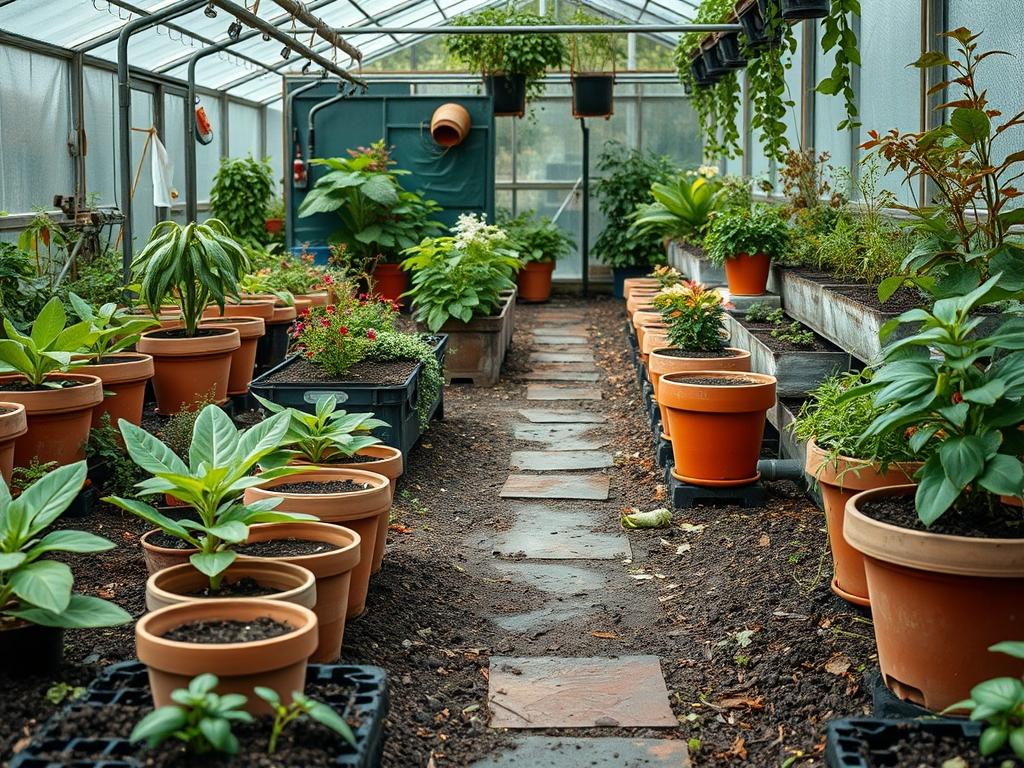
Maintaining a high caliber landscape requires more than just an intuitive sense for aesthetics and seasonal color. Professional landscape architecture views every container, planter, and urn as a modular ecosystem that must be managed with scientific precision. Disinfecting Garden Pots is a fundamental practice that prevents the migration of fungal spores, bacterial blights, and microscopic pest larvae from one growing season to the next. When we design outdoor environments, we treat the vessel as an extension of the soil profile. If that vessel harbors pathogens like Fusarium wilt or Pythium root rot, the architectural integrity of the entire focal point is compromised. This process is especially vital in climates where humidity levels vary significantly, as stagnant air and moist surfaces create ideal breeding grounds for disease. Beyond plant health, the sanitation of these elements preserves the physical material of the pots, ensuring that expensive glazed ceramic, terra cotta, and zinc planters maintain their textural appeal and structural durability for decades.
Landscape Design Principles
A successful landscape relies on the thoughtful orchestration of symmetry and focal points to guide the eye through an outdoor space. Containers often serve as these crucial visual anchors, providing height in areas where subterranean planting is impossible, such as on stone patios or wooden decks. When planning a container-heavy design, we utilize elevation layers to create a sense of depth. This involves placing larger, heavy-duty fiberglass or concrete planters at the rear of a composition and scaling down to smaller, more ornate vessels in the foreground. This layering mimics the natural stratification found in forest edges.
Symmetry is another core principle where pot hygiene becomes visible. If a pair of matching Italian terra cotta urns flank a grand entryway, but one container is contaminated with salt buildup or algae, the visual balance is shattered. We also integrate irrigation planning directly into the pot layout. Professional-grade drip irrigation lines are often concealed within the vessels themselves to ensure consistent moisture without the fluctuations that stress plants and make them more susceptible to disease. The walkways and transition zones between these focal points must be kept clear of runoff, meaning that the drainage holes in every pot must be scrubbed and cleared during the disinfection process to prevent pooling and staining on expensive travertine or bluestone surfaces.
Plant and Material Selection
The following table outlines high-impact species frequently used in professional container designs. These plants require sanitized environments to thrive, as they are often selected for their longevity and structural form.
| Plant Type | Sun Exposure | Soil Needs | Water Demand | Growth Speed | Maintenance Level |
| :— | :— | :— | :— | :— | :— |
| Buxus sempervirens | Full to Part | Well-drained | Moderate | Slow | High |
| Lavandula angustifolia | Full Sun | Gritty, Alkaline| Low | Moderate | Medium |
| Acer palmatum | Dappled Shade | Loamy, Acidic | High | Slow | Medium |
| Miscanthus sinensis | Full Sun | Any | Low | Fast | Low |
| Heuchera | Full Shade | Humus-rich | Moderate | Moderate | Low |
Implementation Strategy
The process of Disinfecting Garden Pots begins with a total teardown of the existing arrangement. Large-scale garden layouts require a systematic approach to prevent cross-contamination. Start by removing all spent foliage and the old root ball. For a professional finish, do not reuse potting media in the same containers. The old soil should be moved to a remote composting area or discarded if disease was present. Once empty, use a stiff-bristled nylon brush to remove loose dirt and mineral crusts.
For the chemical disinfection stage, prepare a solution of one part household bleach to nine parts water. Submerge the pots for at least ten minutes. This timeframe is non-negotiable, as it allows the solution to penetrate the porous walls of materials like clay or wood. If you are working with delicate finishes that might be damaged by bleach, a 70 percent isopropyl alcohol spray or a hydrogen peroxide solution can be used as an alternative. After soaking, rinse the vessels thoroughly with a high-pressure hose to remove any chemical residue.
The final step in the layout strategy is addressing drainage. Before refilling, check the bottom of each pot. We recommend adding a layer of geotextile fabric over the drainage hole before adding coarse gravel or perlite. This prevents the new soil from clogging the exit point. When placing the pots back into the landscape, ensure they are elevated slightly using pot feet or risers. This small gap allows air to circulate underneath, preventing the growth of mold on the hardscape and ensuring that the grading of the patio continues to direct water away from the home foundation.
Common Landscaping Failures
The most frequent error in professional maintenance is the failure to address mineral efflorescence and salt buildup. When water evaporates from the outside of a terra cotta pot, it leaves behind white, crusty deposits. If these are not removed with a vinegar-based solution during the disinfection process, they can eventually reach toxic concentrations for sensitive species like Japanese Maples. Another common failure is root overcrowding. When plants are left in containers for too many seasons without root pruning, they become “pot-bound,” which stresses the plant and makes it a magnet for scale and spider mites.
Improper spacing is also a recurring issue in amateur designs. Containers are often placed too close together to create an immediate lush look, but this restricts airflow and creates micro-climates of high humidity. Without at least six to twelve inches of clearance between large pots, fungal pathogens can jump easily from one plant to another. Finally, irrigation inefficiencies often stem from clogged emitters. During the disinfection phase, it is vital to soak all drip emitters and micro-tubing in a descaling solution to ensure that the water delivery system remains functional for the upcoming growing season.
Seasonal Maintenance
Landscape management is a year-round commitment. In the spring, the focus is on the “big clean.” This is when the primary Disinfecting Garden Pots cycle occurs, preparing for the high-growth phase. Check all irrigation timers and replace mulch layers to a depth of two inches to help retain moisture as temperatures rise. During the summer, maintenance shifts to monitoring for pests and ensuring that the evaporation rates do not lead to salt crystallization on the pot exteriors.
Autumn is the season for transition. As annuals fade, containers should be emptied and cleaned again before being replanted with cold-hardy species like ornamental kale or evergreen boughs. For those in colder climates, it is also the time to move vulnerable pots made of ceramic or glass into a sheltered area to prevent freeze-thaw cracking. Winter maintenance is largely passive, though it involves ensuring that any pots left outdoors are tilted or covered to prevent ice anchors from forming in the drainage holes. A well-managed container garden should look intentional and structured even when the plants are dormant.
Professional Landscaping FAQ
How often should I disinfect my large outdoor planters?
You should disinfect containers at least once a year, preferably in early spring. If a plant dies from a suspected disease, the pot must be sterilized immediately before any new material is introduced to the vessel.
Can I use vinegar instead of bleach for disinfecting?
Vinegar is excellent for removing calcium deposits and mineral salts, but it is not as effective as bleach or alcohol at killing certain stubborn fungal spores. Use vinegar for aesthetics and bleach for true sterilization.
What is the best way to clean heavy concrete containers?
For oversized units, use a pressure washer on a low setting to blast away debris. Afterward, apply a sanitizing spray and let it sit for ten minutes before rinsing. This avoids the need for full submersion.
Does disinfecting the pot help with pest control?
Yes, many pests like fungus gnats and spider mites lay eggs in the crevices of containers or just below the soil line. A thorough scrubbing and chemical soak kills these eggs, breaking the pest life cycle.
Will bleach damage the color of my glazed ceramic pots?
Most high-quality glazed ceramics are chemically inert and will not be damaged by a 1:10 bleach solution. However, always test a small, inconspicuous area on the bottom first to ensure the pigment remains stable.