
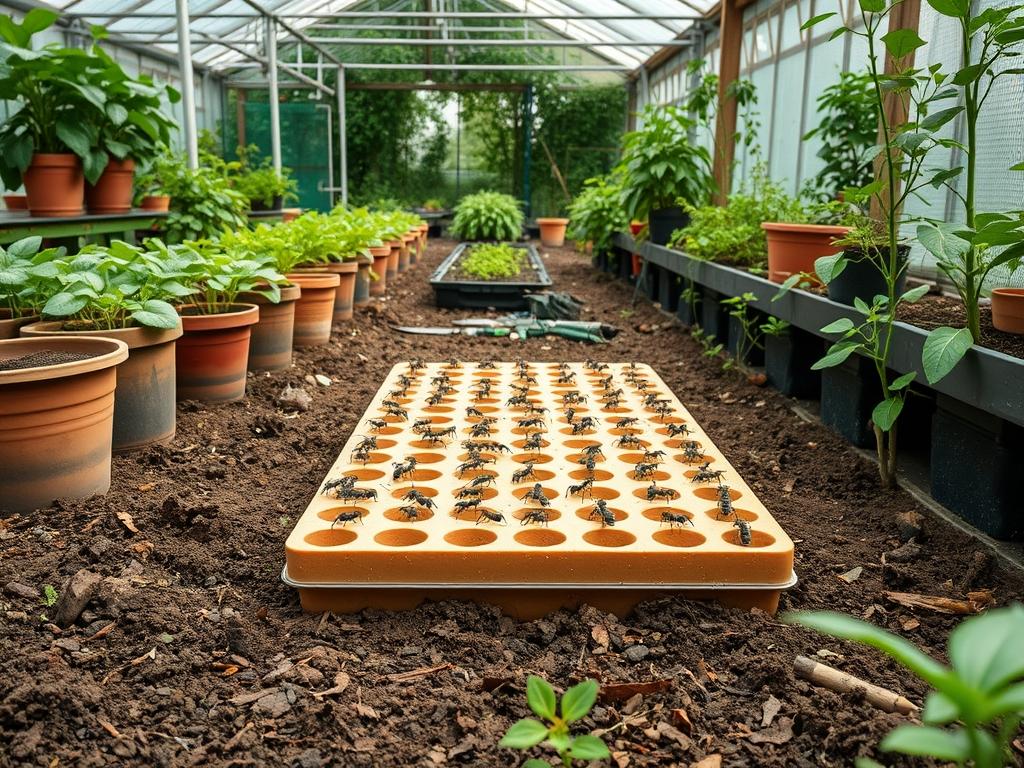
Maintaining the integrity of a professional landscape begins long before the first shrub is installed; it starts in the controlled environment of the propagation area. For many landscape architects and estate managers, the sight of empty furrows where high value seeds were recently sown represents a significant setback in both timeline and budget. Ants in seed trays are not merely a nuisance. They act as sophisticated foragers that can dismantle a seasonal planting plan in a single night. These insects are attracted to the protein and fat content found in the embryos of various seeds, particularly those of larger ornamental species or nutrient dense cover crops. When a landscape design relies on precise timing for staggered blooms or specific ground cover density, the theft of seeds by subterranean colonies creates unsightly gaps that compromise the overall aesthetic and functional goals of the project. A successful outdoor environment requires a proactive stance against these disruptions, ensuring that every biological asset reaches maturity without interference.
Addressing the presence of ants in seed trays involves a deep understanding of site microclimates and the behavior of local myrmecology. In high end residential or commercial landscaping, seed starting often takes place in greenhouses or specialized nursery zones. If these areas are not properly isolated from the surrounding soil through structural barriers, they become prime targets for colonies looking to store food for colonial expansion. The impact on curb appeal is indirect but profound. A landscape that suffers from patchy germination requires late season infill, which often leads to uneven growth heights and mismatched maturity levels. This inconsistency breaks the visual flow of turfgrass and perennial borders, undermining the architectural intent of the space. By implementing rigorous exclusion tactics and habitat modification, professionals can protect their proprietary seed mixes and ensure a uniform, lush environment that performs as intended.
Landscape Design Principles
Effective landscape design relies on the core tenets of symmetry, focal points, and visual balance. When planning a seed starting area or a direct sow meadow, one must consider these elements to ensure the space remains productive and organized. Symmetry in the layout of propagation benches or raised beds allows for easier monitoring of pest activity. If one side of a symmetrical layout shows signs of seed theft while the other remains intact, the designer can quickly identify the point of entry or a specific irrigation leak that may be attracting the colony.
Elevation layers play a critical role in both aesthetics and pest management. By utilizing tiered shelving or retaining walls, we create physical separation between the natural soil grade and the delicate environment of the seed tray. This verticality not only adds interest to the utility areas of a landscape but also forces ants to traverse more difficult terrain to reach their target. Irrigation planning must be surgical. Over-watering creates the moist conditions that many ant species prefer for nesting, whereas a precise drip irrigation system keeps the water focused solely on the root zone of the emerging seedlings. Furthermore, the use of defined walkways made of crushed granite or compacted pavers serves as a thermal barrier. These materials heat up in the sun and provide a dry, inhospitable surface that discourages ant trails from forming across the primary travel paths of the garden.
Plant and Material Selection
The following table outlines key plant species and materials frequently used in professional landscaping that can coexist with seed starting efforts or serve as deterrents due to their natural properties.
| Plant Type | Sun Exposure | Soil Needs | Water Demand | Growth Speed | Maintenance Level |
| :— | :— | :— | :— | :— | :— |
| Lavandula angustifolia | Full Sun | Well Drained | Low | Moderate | Low |
| Mentha piperita | Partial Shade | Moist / Rich | High | Fast | Moderate |
| Chrysanthemum | Full Sun | Loamy / Fertile| Moderate | Fast | Moderate |
| Buxus sempervirens | Full / Part Sun | Neutral pH | Moderate | Slow | High |
| Salvia rosmarinus | Full Sun | Sandy / Poor | Very Low | Moderate | Low |
| Perovskia atriplicifolia| Full Sun | Dry / Alkaline | Low | Fast | Low |
Selecting the right materials for the surrounding environment is just as vital as the plants themselves. Using coarse sand as a top dressing in seed trays can physically irritate ants and make it more difficult for them to navigate the surface. Additionally, incorporating diatomaceous earth into the perimeter of the growing area provides a non-toxic mechanical barrier that dehydrates foraging insects upon contact.
Implementation Strategy
The implementation of a seed protection strategy begins with the structural layout of the nursery or backyard zone. First, ensure the ground is properly graded to a two percent slope. This ensures that excess water moves away from the propagation benches, preventing the damp conditions that invite pests. Once the grade is established, install a heavy duty weed barrier fabric topped with four inches of compacted gravel. This creates a clean, dry foundation for your equipment.
When setting up the seed trays, use a physical isolation method known as the water moat. Place the legs of your work benches in small containers filled with water and a drop of biodegradable soap. This creates an impassable barrier for ants in seed trays, as they cannot cross the liquid to climb the structure. For direct sown areas in the landscape, such as wildflower meadows or native grass stands, the strategy shifts toward seed coating. Many professional grade seeds are treated with a clay based film or a natural repellent that makes them less palatable to insects.
After sowing, apply a thin, half inch layer of fine mulch or vermiculite. This provides a dark environment for germination while hiding the seeds from the sight of surface foragers. Ensure the edging of your planting beds is crisp and deep; a six inch steel edge or stone border can provide a minor vertical obstacle that disrupts established pheromone trails. Finally, integrate a consistent moisture monitoring routine using a soil probe. By keeping the top layer of soil slightly dry between misting cycles, you make the area less attractive to scouts searching for a water source.
Common Landscaping Failures
One of the most frequent failures in professional landscaping is improper drainage management. When water pools near the foundation of a greenhouse or at the edge of a stone patio, it creates a localized oasis for ant colonies. These colonies will eventually move toward the nearest food source, which is often the seed trays located nearby. Designers must ensure that all downspouts and French drains are directed at least ten feet away from high value planting zones.
Another common mistake is soil compaction. In heavy clay soils, air pockets are scarce, causing ants to seek out the loose, aerated potting mix found in containers. If the surrounding landscape soil is too dense, the insects will naturally migrate toward your trays to build their nests. Furthermore, root overcrowding in established perimeter plants can stress the vegetation, leading to aphid infestations. Ants often farm aphids for their honeydew, and once a colony is established on a nearby Rose or Viburnum, it is only a short distance for them to begin raiding your seeds. Lastly, improper spacing of hardscape elements can create hidden corridors. If retaining wall blocks are not properly backed with filter fabric and clean stone, ants will use the voids behind the wall as a protected highway to reach elevated planting beds.
Seasonal Maintenance
Landscape management is a year round commitment that changes with the thermodynamic shifts of the seasons. During Spring, the focus is on aeration and the application of pre-emergent barriers. This is when ant queens are most active in establishing new territories, so maintaining a clean, debris free environment around your seed trays is paramount. Check all irrigation lines for leaks, as a small pinhole spray can create a moisture trail that leads directly to your propagation area.
In the Summer, heat stress becomes the primary concern. Ants are highly active in search of moisture during dry spells. Increase the frequency of your moisture checks but keep the water targeted. Mulch levels should be maintained at a steady three inches to regulate soil temperature. During Autumn, the goal is sanitation. Remove all fallen leaves and spent annuals that could provide winter cover for pests. This is also the time to repair any cracks in concrete walkways or stone walls using polymeric sand or mortar, closing off potential nesting sites. Throughout the Winter, focus on planning and structural maintenance. Clean all flats, pots, and trays with a mild bleach solution to remove any lingering pheromones or eggs, ensuring a sterile start for the upcoming spring cycle.
Professional Landscaping FAQ
How do I quickly stop ants from taking seeds?
Create a physical barrier using cinnamon powder or diatomaceous earth around the tray perimeter. Ensure the trays are elevated on a bench with legs submerged in small water reservoirs to prevent the insects from climbing up to the soil level.
Will mulch attract more ants to my garden beds?
Large wood chips can provide cover, so use fine textured mulch and maintain a depth of only two to three inches. Keep mulch away from the direct base of seedlings or seed trays to reduce moisture traps that attract scouts.
Does irrigation timing affect ant activity?
Yes, watering in the early morning allows the soil surface to dry during the day. Nocturnal ants are less likely to forage in dry, hot soil than in the damp conditions created by late evening or overnight irrigation cycles.
Are there specific plants that repel ants naturally?
Incorporate Mentha piperita or Chrysanthemum around the perimeter of your nursery area. These plants contain natural oils and compounds like pyrethrum that act as biological deterrents, making the immediate environment less appealing to foraging colonies seeking to expand.
Should I use chemical baits near my seed trays?
Only as a last resort in a bait station. Place them along established trails leading toward the trays, never inside the tray itself. This ensures the colony is drawn away from the seeds and prevents chemical runoff from affecting the seedling root systems.