
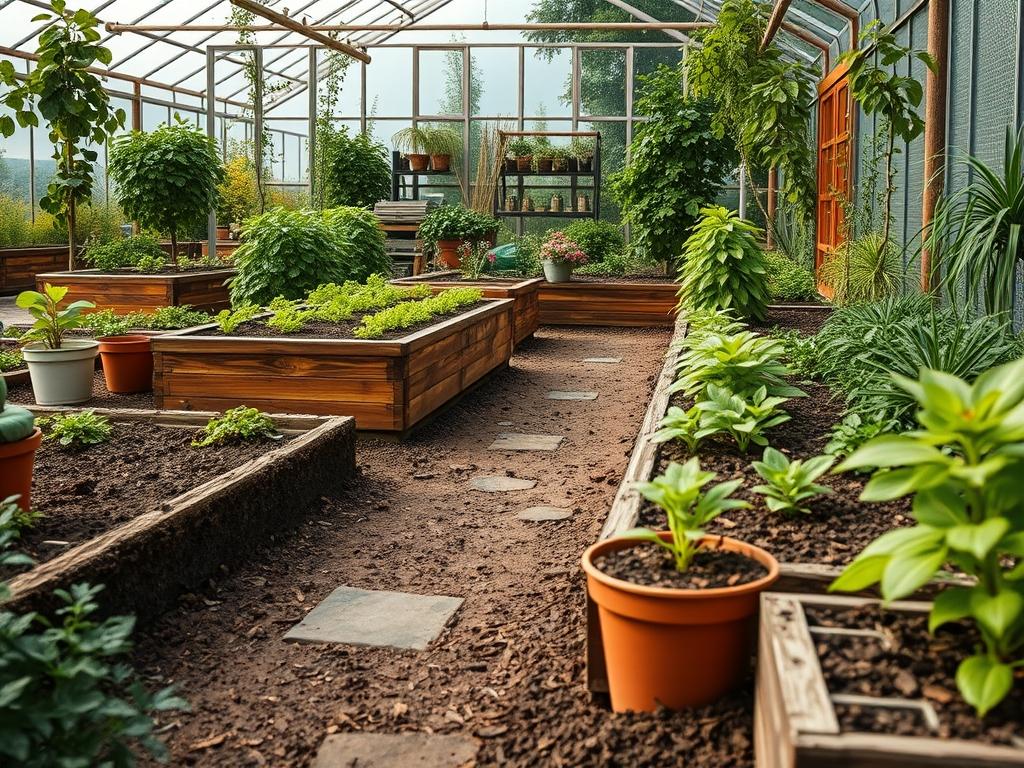
Building a permanent, productive landscape requires a precise balance between structural longevity and environmental health. Homeowners often face a complex dilemma when selecting materials for the structural elements of a vegetable garden; they must balance the durability of the installation against concerns regarding chemical migration into the soil. Pressure treated wood safety remains a primary topic of discussion for those designing edible gardens, where the goal is to produce organic food in a structure that remains stable for decades. In many climates, the constant cycle of moisture and heat accelerates the decay of untreated softwoods, making chemical preservation a common choice for maintaining curb appeal and structural integrity. By integrating these materials thoughtfully, a landscape consultant can create a cohesive outdoor environment that serves as both a visual focal point and a high-yield agricultural zone. Modern wood treatments have moved significantly away from the toxic formulations of the past, yet the application of these materials in a food-producing context still requires a strategy rooted in safety, effective drainage, and material science.
Landscape Design Principles
Effective landscape design relies on the principles of symmetry and visual balance to transform a chaotic backyard into a structured environment. When using treated timber for raised beds or retaining walls, the architect must consider how these lines guide the eye toward focal points, such as an ornamental fruit tree or a centralized water feature. Elevation layers are particularly important in edible landscapes. Higher beds, constructed from 4×4 posts and 2×12 planks, provide ergonomic access for gardeners while creating a terraced effect that adds depth to the property.
Functionality dictates that walkways must be wide enough for a standard wheelbarrow, typically requiring a width of at least 36 inches. These paths should be composed of permeable materials such as crushed granite or pea gravel to prevent runoff and ensure that water reaches the root zones of nearby crops. Visual balance is achieved by mirroring hardscape elements on either side of a central axis, creating a formal aesthetic that increases the market value of the home and defines the “outdoor room” concept. Irrigation planning must be integrated into the initial design phase. Running polyethylene tubing and drip emitters through the interior of the timber frames ensures that water is delivered precisely to the plants rather than the wood, which further extends the lifespan of the material and minimizes the potential for chemical leaching due to excessive saturation.
Plant and Material Selection
The following table outlines the common materials and plant species used in modern edible landscape design, prioritizing safety and performance.
| Plant or Material Type | Sun Exposure | Soil Needs | Water Demand | Growth Speed | Maintenance Level |
| :— | :— | :— | :— | :— | :— |
| ACQ Treated Pine | Full Sun | Ground Contact | N/A | N/A | Low |
| Western Red Cedar | Full/Part Sun | Well-drained | N/A | N/A | Medium |
| 6 mil Polyethylene | N/A | Barrier Layer | N/A | N/A | Low |
| Blueberries | Full Sun | Acidic (pH 4.5) | High | Slow | High |
| Rosemary | Full Sun | Sandy/Dry | Low | Medium | Low |
| Heirloom Tomatoes | Full Sun | Rich Organic | High | Fast | High |
| Alpine Strawberries| Part Sun | Loamy | Medium | Medium | Medium |
Implementation Strategy
The successful installation of an edible garden begins with proper site grading. Before a single piece of wood is cut, the area must be leveled to ensure that water does not pool at the base of the structures. A slight slope of one percent away from the home is ideal for drainage. Once the site is prepared, the layout of the raised beds is marked using surveyor’s stakes and masonry string.
When building with pressure treated lumber, specifically those treated with Alkaline Copper Quaternary (ACQ) or Copper Azole (CA), it is a professional best practice to line the interior of the beds. Using a 6 mil polyethylene plastic liner or a heavy-duty geotextile fabric creates a physical barrier between the treated wood and the growing medium. This step is crucial for those who prioritize the highest standards of soil purity. The liner should be stapled to the interior sides of the bed but should not cover the bottom, allowing for proper moisture migration into the subsoil.
For the hardware, only A-304 stainless steel or hot-dipped galvanized screws and bolts should be used. Standard steel fasteners will corrode rapidly when in contact with the copper-based chemicals used in modern wood treatment. Edging should be crisp; a 4-inch deep trench filled with steel edging or cobblestone can separate the garden beds from the lawn, preventing the encroachment of invasive turf grasses. Finally, the application of a 3-inch layer of hardwood mulch or pine straw over any exposed soil will regulate temperature and suppress weeds, completing the professional installation.
Common Landscaping Failures
One of the most frequent mistakes in landscape implementation is the failure to account for wood grade specifications. Using “above ground” rated lumber for a “ground contact” application like a retaining wall or a garden bed footer leads to premature rot and structural collapse. Always look for the American Wood Protection Association (AWPA) UC4A or UC4B stamp on the wood tags, which indicates suitability for direct soil contact.
Another common failure is root overcrowding within the wood structures. When gardeners ignore the recommended spacing for species like squash or zucchini, the lack of airflow leads to powdery mildew and fungal infections that can spread to the timber, accelerating biological decay. Improper drainage is equally detrimental. If the soil at the base of a timber wall becomes compacted, water pressure builds up behind the wood, a phenomenon known as hydrostatic pressure. This can cause the wood to bow or the fasteners to fail. To prevent this, a perforated French drain wrapped in filter fabric should be installed at the base of any wood retaining structure higher than 18 inches. Lastly, many homeowners fail to monitor their irrigation efficiency. Overwatering not only wastes resources but also promotes the leaching of metals from the wood into the immediate root zone, regardless of the treatment type used.
Seasonal Maintenance
Maintenance requirements vary significantly as the seasons change, and a proactive approach is necessary to ensure the longevity of the garden. In the Spring, inspect all wood joints for shifting or wood movement caused by the winter freeze-thaw cycle. This is the optimal time to re-apply a UV-stabilized wood sealer to the exterior of the boards to prevent warping and graying.
During the Summer, focus shifts to hydration and soil health. Monitor the moisture levels at the corners of the beds, as wood can absorb moisture from the soil, causing the edges to dry out faster than the center. In the Autumn, remove all spent vegetable matter and annual plants. Leaving rotting foliage against the wood surfaces over the winter creates a breeding ground for wood-destroying organisms. Apply a fresh layer of compost to replenish nutrients, but keep it a few inches below the top lip of the wood. In Winter, the landscape consultant should advise on protecting the structures from snow weight and ice. If the beds are located in a region with heavy snowfall, avoid using salt-based de-icers near the wood structures, as the chloride ions can react with the copper in the pressure treated lumber and degrade the wood fibers.
Professional Landscaping FAQ
Is modern pressure treated wood safe for organic vegetable gardening?
Yes, current ACQ and Copper Azole treatments are considered much safer than older formulations. Most experts recommend using a plastic liner as an extra precaution to prevent any minimal copper migration into the soil where it could reach plant roots.
How long will pressure treated wood last compared to cedar?
ACQ-treated pine rated for ground contact can last 20 to 40 years depending on the climate. In contrast, Western Red Cedar typically lasts 10 to 15 years before the natural oils dissipate and rot begins to compromise the structure.
What is the best way to prevent the wood from warping?
Select boards that are kiln-dried after treatment (KDAT) to ensure they have a stable moisture content. Secure the boards with high-quality 3-inch deck screws and apply a penetrative, oil-based sealer to the exterior surfaces every two years.
Does copper from the wood hurt the plants?
Copper is a necessary micronutrient for plants, but excessive amounts can be toxic. However, research shows that copper migration from pressure treated wood is limited to the first few inches of soil directly adjacent to the timber, posing little risk.
Should I paint the inside of my garden beds?
Avoid using standard household paints, which may peel or contain harmful VOCs. If you wish to coat the interior, use a food-grade wood sealer or a bituminous coating specifically designed for potable water tanks or garden use to ensure safety.