
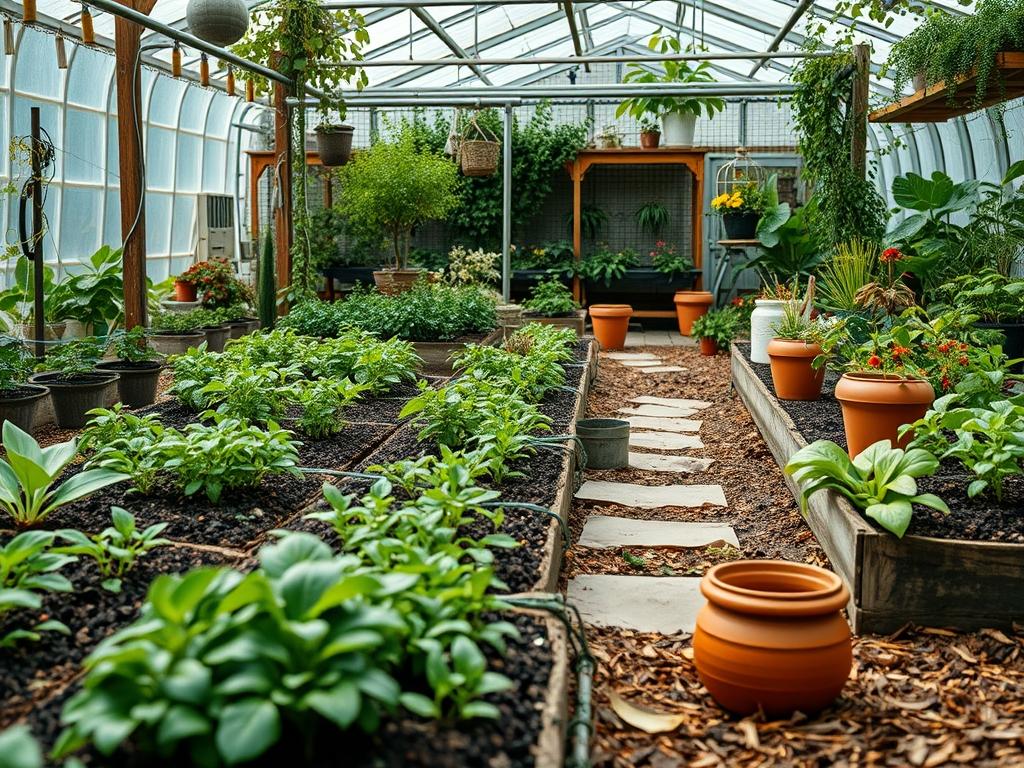
Designing an outdoor kitchen requires a delicate balance between luxury aesthetics and the harsh realities of the local ecosystem. While homeowners often focus on the grade of stainless steel or the thickness of the granite countertops, the surrounding landscape design dictates the longevity and hygiene of the space. One of the most persistent issues in these high-end environments is the presence of Ants in Outdoor Kitchens. These insects are not merely a nuisance; they are attracted to the moisture, warmth, and organic residues inherent in food preparation areas. To mitigate these risks, a landscape architect must look beyond the kitchen island and focus on the biological and structural framework of the entire backyard. A well-conceived plan integrates physical barriers with botanical deterrents, ensuring that the transition between the manicured garden and the dining area remains both beautiful and functional.
Strategic site selection is the first step in managing potential pest pressures. An outdoor kitchen situated in a low-lying area of the yard will inevitably face drainage issues, which create the damp conditions that many ant species prefer for nesting. Conversely, a kitchen placed near large, established trees may suffer from “ant highways” where foragers drop from the canopy directly onto food preparation surfaces. Curb appeal is often enhanced by lush, dense foliage, but when it comes to the outdoor bar or pizza oven area, a more minimalist and controlled approach to greenery is required. By understanding the intersection of horticulture and structural engineering, we can create a space that is as clean as it is inviting.
Landscape Design Principles
Symmetry and visual balance are the hallmarks of a professional outdoor living space, yet they serve a dual purpose in pest management. When a kitchen is designed with clean lines and symmetrical planting beds, it becomes much easier to identify and treat an emerging ant colony before it reaches the cabinetry. Focal points like a water feature or a fireplace should be positioned at least 15 feet away from the primary cooking zone to divert moisture and heat, both of which can attract insects.
Elevation layers are critical for both drainage and psychological separation. Elevating the kitchen on a paver pedestal or a poured concrete slab creates a physical disconnect from the surrounding soil. This elevation should be paired with a subtle 1 percent slope away from the home and the kitchen structures. This ensures that spilled liquids or rainwater do not pool at the base of the appliances.
Irrigation planning must be precise. Overspraying from traditional pop-up rotors often hits the side of the kitchen island, leading to rot and high-moisture pockets. Instead, professionals use drip irrigation systems buried beneath the surface. These systems deliver water directly to the root zones of ornamental plants without keeping the surface soil wet. Walkways leading to the kitchen should utilize polymeric sand in the joints. Unlike traditional sand, this material hardens to prevent weeds from growing and ants from burrowing between the stones.
Plant and Material Selection
The choice of plants near a dining area should be functional rather than purely decorative. Certain species contain natural oils that act as repellents. Selecting these varieties reduces the need for chemical sprays.
| Plant Type | Sun Exposure | Soil Needs | Water Demand | Growth Speed | Maintenance Level |
| :— | :— | :— | :— | :— | :— |
| Lavender (Lavandula) | Full Sun | Well-drained | Low | Moderate | Low |
| Rosemary (Salvia rosmarinus) | Full Sun | Sandy/Loamy | Low | Fast | Medium |
| Catnip (Nepeta cataria) | Partial to Full | Rich/Moist | Moderate | Aggressive | High (containment required) |
| Peppermint (Mentha) | Partial Sun | Damp/Rich | High | Very Fast | High (use pots) |
| Chrysanthemum | Full Sun | Loamy | Moderate | Fast | Medium |
| Mexican Marigold | Full Sun | Any | Low | Moderate | Low |
Beyond plants, the selection of hardscaping materials is vital. River rock or lava rock is preferable to wood-based mulches near the kitchen foundation. While wood mulch retains moisture and decomposes, providing food for various insects, inorganic stone remains dry and inhospitable to Ants in Outdoor Kitchens. If a wood product must be used for aesthetic consistency, cedar mulch is the professional choice because it contains thujone, a natural insect repellent.
Implementation Strategy
A successful backyard layout begins with professional grading. Before any stone is laid, the soil must be compacted using a plate compactor to prevent future settling. Any depressions in the sub-grade will eventually collect water and provide a haven for pests. Once the area is level, a high-quality geotextile landscape fabric should be installed. This provides a barrier that prevents ants from moving easily from the deep sub-soil to the surface of the patio.
For the kitchen structure itself, avoid using wooden framing. Galvanized steel studs or concrete masonry units (CMU) are the industry standard for high-end outdoor bars. These materials do not warp, rot, or provide an organic food source for wood-boring ants. When installing the countertops, ensure that the overhang is at least 1.5 inches. This “drip edge” prevents liquids from running down the face of the cabinets and pooling at the base.
Edging is another critical component. Use aluminum or steel edging to create a sharp, clean break between turf and the kitchen’s stone footprint. This prevents grass and its associated pests from creeping into the cooking zone. Finally, all utility penetrations for gas, water, and electricity must be sealed with expandable foam or silicone caulk to ensure the interior of the island remains a closed system.
Common Landscaping Failures
The most frequent mistake seen in residential landscapes is improper drainage. A French drain that is improperly pitched or a gutter system that dumps water near the patio will create a permanent moisture plume. This leads to soil saturation and an explosion in ant populations. Furthermore, root overcrowding occurs when large shrubs are planted too close to the kitchen. As the roots expand, they can heave paver stones, creating gaps that serve as perfect entry points for colonies.
Another common failure is the use of “honeydew-producing” plants. Species like Crepe Myrtles or Maples are prone to aphids. These aphids secrete a sugary substance called honeydew, which is a primary food source for ants. If these trees overhang the kitchen, the honeydew falls onto the surfaces, attracting massive numbers of foragers.
Irrigation inefficiencies, such as broken heads or “blind spots” in the coverage, lead to dry or overly wet patches. These fluctuations stress the landscape, making it more susceptible to insect infestations. Finally, soil compaction from heavy foot traffic around the bar can kill the grass and leave bare dirt, which is more easily colonized by ground-nesting ants than a healthy, thick lawn.
Seasonal Maintenance
To keep the outdoor environment pristine, a specific seasonal cadence is required. In the Spring, inspect all hardscaping for new cracks or settling. Apply a fresh layer of polymeric sand where needed. Check the irrigation system for leaks and ensure all drip emitters are functioning. This is also the time to apply a perimeter treatment of boric acid or a similar professional-grade deterrent around the base of the kitchen.
During the Summer, focus on sanitation. The heat accelerates the decomposition of organic matter. Clean the grease traps and the underside of the grill weekly. Prune any plants that have grown to touch the kitchen structure to break potential “ant bridges.”
In the Autumn, the removal of leaf litter is paramount. Wet leaves against a stone base create an ideal microclimate for ants to overwinter. Clear the gutters and ensure the grading is still effectively moving water away from the site.
In the Winter, winterize the plumbing to prevent pipe bursts. A slow leak from a frost-damaged pipe can create a massive moisture problem underground that will go unnoticed until the spring thaw, resulting in a sudden surge of Ants in Outdoor Kitchens as the weather warms. Cover the kitchen island with a heavy-duty, breathable vinyl cover to protect the joints and finishes from the freeze-thaw cycle.
Professional Landscaping FAQ
How does mulch type affect ants in my kitchen?
Organic mulches like pine bark decompose and retain high moisture levels, which attracts nesting colonies. Switching to cedar mulch or river rock around the kitchen perimeter provides a natural repellent and drier environment that discourages ant activity.
Can irrigation timing prevent pest issues?
Yes. Watering in the early morning allows the sun to dry the surface soil throughout the day. Evening watering keeps the ground damp for ten to twelve hours, creating a high-humidity environment that is perfect for foraging ants to explore your bar.
What is the best hardscape for ant prevention?
Poured concrete or large-format porcelain pavers with tight, sealed joints are superior. These materials eliminate the numerous gaps and sandy soil interfaces found in traditional brick or small-stone patios, leaving fewer places for ants to build nests.
Should I plant a lawn right up to my kitchen?
It is better to maintain a 12-inch gravel buffer between the turf and the kitchen base. Grass requires significant water and organic fertilizers, both of which attract ants. A stone buffer keeps the kitchen dry and easier to inspect for pests.
How do I stop ants from climbing my kitchen table?
Ensure no foliage from the surrounding garden is touching the furniture. Pruning back hedges and trees creates a “no-man’s land.” Additionally, cleaning the legs of the table with a vinegar solution can disrupt the pheromone trails used by scouts.