
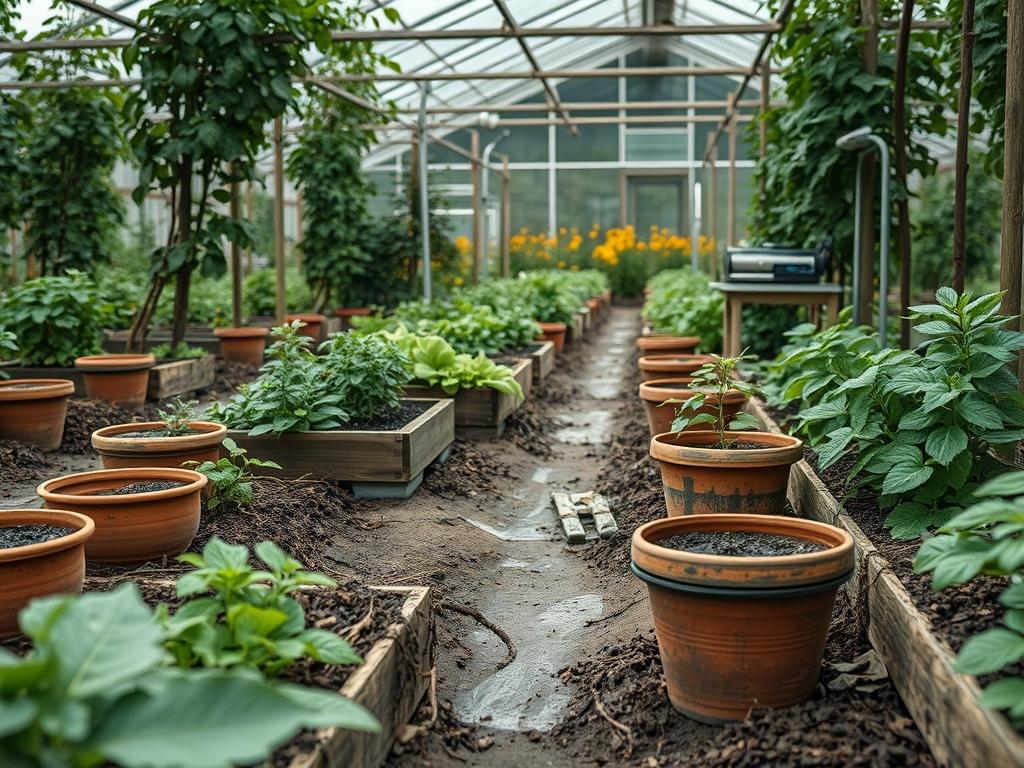
Orchards represent a sophisticated intersection between agricultural productivity and high end landscape aesthetics. When designing a private or commercial fruit orchard, the architectural layout must account for more than just soil quality and sunlight exposure. One of the most persistent challenges in these environments is the complex relationship between ants and the health of the fruiting canopy. While a few ants might seem inconsequential to the casual observer, a landscape architect views them as a potential indicator of a larger systemic failure within the ecosystem. Their presence often signals a burgeoning population of aphids or scale insects, which ants actively protect from natural predators to harvest honeydew. This behavior compromises the vitality of the orchard, leading to stunted growth, reduced fruit yields, and a significant decline in the overall curb appeal of the property. For a landscape to be truly functional and visually striking, the management of these tiny architects must be integrated into the initial site planning and ongoing maintenance strategy.
Integrating fruit trees into a residential or estate landscape requires a balance of form and utility. A well planned orchard serves as a focal point that offers seasonal interest, from the delicate blossoms of spring to the heavy, colorful harvests of late summer. However, the structural health of these trees is paramount. If the trees are stressed by pest infestations facilitated by ants, the foliage becomes yellowed and distorted, undermining the outdoor living experience. Strategic landscape design focuses on creating an environment where the trees can thrive through proper Irrigation, adequate spacing for airflow, and soil management that discourages massive ant colonies from establishing themselves near the base of sensitive species. By considering the subterranean and surface movements of these insects, we can design landscapes that are both beautiful and resilient.
Landscape Design Principles
Symmetry and focal points are the cornerstones of a professional orchard layout. Aligning trees in a clean, grid like pattern or along a graceful curve creates a sense of order and intentionality that enhances the property value. Beyond aesthetics, this spacing is critical for pest management. Trees should be spaced at least 15 to 20 feet apart, depending on the rootstock, to ensure that the canopies do not overlap. Overlapping branches create bridges for ants and other pests to travel easily from one tree to another, bypassing any ground based deterrents you have installed. High elevation planting on slight mounds or berms can also help with drainage, as ants are often drawn to the dry, loose soil found in poorly managed raised beds.
Elevation layers and visual balance are achieved by underplanting the orchard with specific companion species. Rather than leaving bare soil or standard turf, which can be prone to compaction and ant nesting, professional designs often incorporate a mix of functional groundcovers and strategic hardscaping. Creating clear walkways using Decomposed Granite or Pavers provides a structural boundary that breaks up the soil profile. These paths are not just for accessibility; they serve as a monitoring zone where ant trails can be easily spotted and managed before they reach the main trunks. Furthermore, ensuring that the Irrigation system, whether it be Drip Lines or Micro Sprinklers, is placed several inches away from the trunk prevents the excess moisture that can attract certain species of carpenter ants or moisture seeking pests.
Plant and Material Selection
Selecting the right plant material is an essential step in mitigating the impact of ants in fruit orchards. While the primary focal points are the fruit trees themselves, the surrounding flora plays a supportive role in pest suppression.
| Plant Type | Sun Exposure | Soil Needs | Water Demand | Growth Speed | Maintenance Level |
| :— | :— | :— | :— | :— | :— |
| Apple Tree (Malus) | Full Sun | Well-drained Loam | Moderate | Medium | High |
| Cherry Tree (Prunus) | Full Sun | Sandy/Silthy Loam | Moderate | Fast | High |
| Lavender (Lavandula) | Full Sun | Gritty/Alkaline | Low | Medium | Low |
| Peppermint (Mentha) | Full/Partial | Moist/Rich | High | Invasive/Fast | Moderate |
| Marigolds (Tagetes) | Full Sun | Versatile/Loamy | Moderate | Fast | Low |
| Tansy (Tanacetum) | Full/Partial | Well-drained | Low | Fast | Low |
Using Materials like Crushed Stone or Lava Rock around the base of the trees, rather than wood-based Mulch, can also discourage ant nesting. While organic mulch is excellent for moisture retention, it can sometimes provide the perfect nesting habitat for colonies. A compromise is often found by using a thin layer of Compost covered by a more decorative, inorganic barrier near the trunk.
Implementation Strategy
The transition from a design on paper to a physical landscape requires a methodical implementation strategy. The process begins with proper Grading. The site must be leveled or sloped slightly, approximately 2 percent, to ensure that water moves away from the trunks of the fruit trees. Poor drainage creates pockets of rot and soft wood, which are highly attractive to various ant species. Once the grade is established, the installation of Hardscaping elements like Retaining Walls or stone borders should occur. These structures define the orchard’s boundaries and provide a physical barrier that can be treated with organic deterrents like Diatomaceous Earth.
When planting the trees, the hole should be twice as wide as the root ball but no deeper. For a 5 gallon container tree, this usually means a hole 24 inches wide. After the tree is set, a critical step in ant management is the application of a physical barrier on the trunk. Professional consultants often recommend applying a Polyester Fiber batting around the trunk, secured with Stretch Tie, and coated with a sticky substance like Tanglefoot. This ensures that ants cannot climb the tree to protect aphids. The ground around the tree should be finished with a layer of Landscape Fabric topped with 3 inches of mulch or decorative stone, making sure the material is kept at least 6 inches away from the bark to prevent fungal issues and hideaway spots for insects.
Common Landscaping Failures
One of the most frequent failures in orchard landscaping is the over application of organic Mulch. While gardeners believe they are helping the tree, a mulch depth exceeding 4 inches creates a damp, fermenting environment that serves as an incubator for ant colonies and root rot. Many homeowners also fail to recognize the importance of Root Overcrowding. When trees are planted too close to fences or buildings, the restricted airflow and localized heat create a microclimate that favors heat seeking ants and reduces the effectiveness of predatory insects like Ladybugs.
Another common mistake involves Irrigation inefficiencies. Overwatering through traditional broad-spectrum sprinklers keeps the tree bark constantly wet. This softens the protective layers of the tree, making it easier for ants to excavate or for pests like scale to attach. Furthermore, neglecting the Edging between the orchard and the surrounding lawn can lead to grass encroaching on the tree basins. Grass provides a hidden highway for ants to reach the tree without crossing open ground where they are vulnerable to birds or other predators.
Seasonal Maintenance
Seasonal management is the key to a long lived and productive orchard. In the Spring, the focus is on monitoring the first signs of ant activity as temperatures rise. This is the ideal time to apply Dormant Oil to the trees to smother any overwintering eggs of aphids or scale. Refresh the sticky barriers on the trunks and inspect the Drip Lines for leaks or clogs.
During the Summer, the emphasis shifts to moisture management and fruit protection. Ensure the Grading remains intact and that heavy rains haven’t washed mulch against the trunks. If ant trails are spotted, a targeted application of Boric Acid baits near the nesting sites, but away from the fruit, can be effective. In Autumn, clean up all fallen fruit and leaf litter immediately. Decaying fruit on the ground is a massive attractant for ants and yellow jackets, which can ruin the safety and functionality of your outdoor space. Finally, in Winter, perform structural pruning with sharpened Pruning Shears to maintain that essential gap between tree canopies, ensuring the orchard remains a clean, professional, and pest resistant landscape.
Professional Landscaping FAQ
How do ants specifically harm the fruit yield in my orchard?
Ants do not usually eat the fruit directly, but they protect aphids and scale from predators. These pests suck the sap from your trees, causing stunted growth, leaf curl, and a reduction in the quality and quantity of fruit produced.
What is the most effective physical barrier for orchard trees?
A combination of Polyester Batting and a sticky resin like Tanglefoot is highly effective. Applied around the trunk, it creates a bridge that ants cannot cross, effectively cutting off their access to the canopy and the pests they shepherd.
Can I use native plants to help control ant populations?
Yes, planting Lavender, Mint, or Tansy as a perimeter can act as a natural deterrent. These plants contain essential oils that ants find repulsive, which helps to redirect their movement away from the sensitive fruit tree zones in your landscape.
Why is drainage so important for ant management?
Ants prefer stable, dry environments for their nests. Proper Grading and drainage ensure that the soil does not stay bone dry for extended periods in some areas while being waterlogged in others, making the overall site less hospitable for colonies.
Is wood mulch or stone better for an orchard floor?
While wood Mulch improves soil, Crushed Stone or Pea Gravel near the trunk is superior for ant control. It provides fewer nesting opportunities and makes ant activity much more visible to the homeowner, allowing for faster intervention and maintenance.